

Release time:
1. Introduction
In the world of food preservation, finding effective and safe methods to extend the shelf life of perishable products is crucial. Food Grade Chitosan Oligosaccharide has emerged as a game-changer in the industry, offering a natural and sustainable solution to preserve food freshness and quality. In this article, we will explore the various aspects of Food Grade Chitosan Oligosaccharide and its role in food preservation.
2. What is Food Grade Chitosan Oligosaccharide?
Food Grade Chitosan Oligosaccharide is derived from chitosan, a natural biopolymer obtained from the shells of crustaceans like crabs, shrimps, and lobsters. It is created through a process that breaks down chitosan into smaller, soluble molecules. These smaller molecules, known as oligosaccharides, possess unique properties that make them highly effective in food preservation.
3. How Does Food Grade Chitosan Oligosaccharide Work?
Food Grade Chitosan Oligosaccharide works by inhibiting the growth of spoilage-causing microorganisms, such as bacteria and fungi, in food products. It acts as a natural antimicrobial agent, preventing the proliferation of harmful pathogens that can lead to foodborne illnesses. Additionally, Food Grade Chitosan Oligosaccharide helps to maintain the structural integrity of food, preventing texture and flavor degradation over time.
4. Benefits of Using Food Grade Chitosan Oligosaccharide in Food Preservation
Using Food Grade Chitosan Oligosaccharide in food preservation offers several benefits:
- Extended Shelf Life: The antimicrobial properties of Food Grade Chitosan Oligosaccharide help to extend the shelf life of food products, reducing food waste and increasing profitability for manufacturers and retailers.
- Natural Preservation: Unlike synthetic preservatives, Food Grade Chitosan Oligosaccharide is a natural alternative, making it an appealing option for consumers looking for clean label products.
- Enhanced Food Safety: By inhibiting the growth of harmful microorganisms, Food Grade Chitosan Oligosaccharide contributes to improved food safety, reducing the risk of foodborne illnesses.
- Texture and Flavor Preservation: Food Grade Chitosan Oligosaccharide helps to maintain the texture, taste, and aroma of food products, ensuring that they retain their quality and appeal to consumers.
5. Applications of Food Grade Chitosan Oligosaccharide in the Food Industry
Food Grade Chitosan Oligosaccharide finds application in various sectors of the food industry, including:
- Meat and Poultry: Food Grade Chitosan Oligosaccharide can be used as a natural preservative in meat and poultry products, preventing spoilage and maintaining their quality during storage and transportation.
- Seafood: Seafood products are susceptible to rapid deterioration due to their high moisture content. Food Grade Chitosan Oligosaccharide acts as a protective coating, preserving the freshness and flavor of seafood.
- Fruits and Vegetables: Food Grade Chitosan Oligosaccharide can be applied as a natural coating on fruits and vegetables, delaying ripening and extending their shelf life.
- Dairy and Dairy Alternatives: By inhibiting the growth of spoilage bacteria in dairy products and dairy alternatives, Food Grade Chitosan Oligosaccharide helps to maintain their freshness and safety.
6. Frequently Asked Questions (FAQs)
Q1: Is Food Grade Chitosan Oligosaccharide safe for consumption?
Yes, Food Grade Chitosan Oligosaccharide is considered safe for consumption. It is derived from natural sources and has been approved for use in the food industry by regulatory authorities.
Q2: Can Food Grade Chitosan Oligosaccharide be used in organic food products?
Yes, Food Grade Chitosan Oligosaccharide is permitted for use in organic food products, as it is derived from natural sources and meets the organic standards.
Q3: Does Food Grade Chitosan Oligosaccharide alter the taste or appearance of food?
No, Food Grade Chitosan Oligosaccharide does not alter the taste or appearance of food products when used within recommended concentrations. It preserves the natural attributes of the food while ensuring its safety and quality.
Q4: Are there any regulatory restrictions on the use of Food Grade Chitosan Oligosaccharide?
Regulatory restrictions may vary depending on the country or region. It is important for manufacturers to comply with local regulations and guidelines when using Food Grade Chitosan Oligosaccharide in food products.
Q5: Can Food Grade Chitosan Oligosaccharide be used in combination with other preservatives?
Yes, Food Grade Chitosan Oligosaccharide can be used in combination with other preservatives to enhance the overall preservation effect. However, compatibility and efficacy should be evaluated before combining different preservatives.
7. Conclusion
Food Grade Chitosan Oligosaccharide offers an innovative and sustainable solution for preserving the freshness and quality of food products. With its natural antimicrobial properties and ability to maintain texture and flavor, it has become a valuable tool in the food industry. By incorporating Food Grade Chitosan Oligosaccharide into food preservation practices, manufacturers can enhance food safety, reduce waste, and meet the demands of consumers for clean label products. Embracing this powerful ingredient is a step towards a more sustainable and efficient food preservation system.
Related
CONTACT US
 Esperanto
 Shqiptare
 Euskara
 Zulu
Zulu
 Latinus
 Cymraeg
 தமிழ்
தமிழ்
 Slovak
 Slovak
 Afrikaans
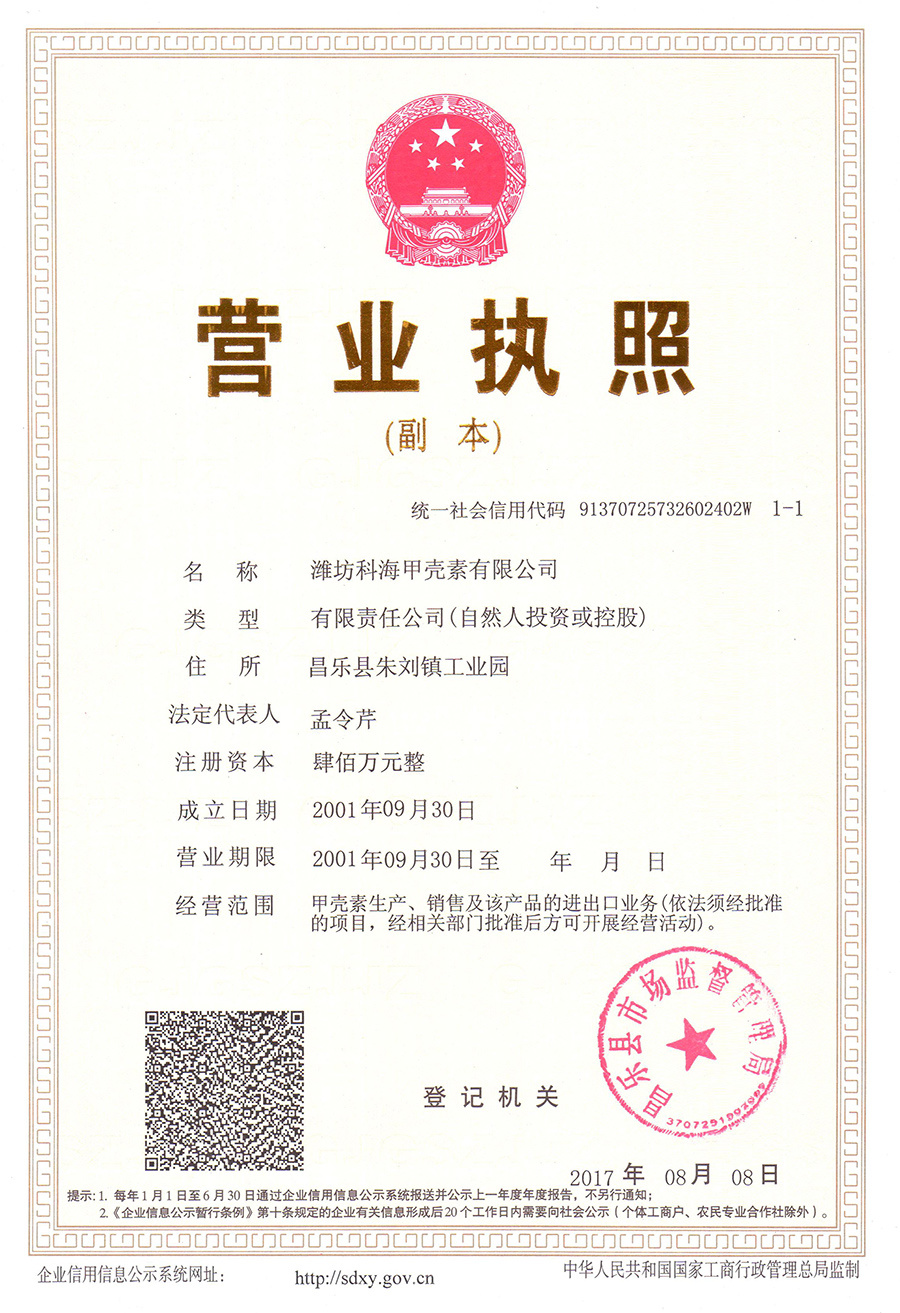
Weifang Kehai Chitosan Co., Ltd
General Manager: Ms Meng Ya
Mr. Meng: 86 13806497089
Ms Meng: 86 15563902222
Mr. Lee: 86 13011668883
Mail:kevinhbr888@gmail.com

QR CODE
MESSAGE