

Release time:
Table of Contents:
1. Introduction: Understanding the Benefits of Food Grade Chitosan Oligosaccharide
2. What is Food Grade Chitosan Oligosaccharide?
3. The Antioxidant Properties of Food Grade Chitosan Oligosaccharide
4. How Food Grade Chitosan Oligosaccharide Works as a Natural Antioxidant
5. Applications of Food Grade Chitosan Oligosaccharide in the Food Industry
6. FAQs on Food Grade Chitosan Oligosaccharide
7. Conclusion: Harnessing the Power of Food Grade Chitosan Oligosaccharide for Food Preservation and Health
1. Introduction: Understanding the Benefits of Food Grade Chitosan Oligosaccharide
Food preservation is a critical aspect of the food industry, ensuring that products maintain their quality, freshness, and nutritional value. In recent years, natural antioxidants have gained popularity as a safer alternative to traditional synthetic additives. One such natural antioxidant is Food Grade Chitosan Oligosaccharide, which not only enhances food preservation but also offers numerous health benefits. In this article, we will explore the potential of Food Grade Chitosan Oligosaccharide as a natural antioxidant for food.
2. What is Food Grade Chitosan Oligosaccharide?
Food Grade Chitosan Oligosaccharide is derived from chitosan, a polysaccharide extracted from the shells of crustaceans such as shrimp and crabs. It undergoes a process of hydrolysis, resulting in shorter chain lengths, known as oligosaccharides. With its low molecular weight and excellent solubility, Food Grade Chitosan Oligosaccharide is easily absorbed by the human body, making it an ideal choice for food applications.
3. The Antioxidant Properties of Food Grade Chitosan Oligosaccharide
Food Grade Chitosan Oligosaccharide possesses powerful antioxidant properties, which play a crucial role in combating oxidative stress. Oxidative stress occurs when there is an imbalance between the production of harmful free radicals and the body's ability to neutralize them. Free radicals can cause damage to cells, leading to various health issues, including chronic diseases like cancer and heart disease.
4. How Food Grade Chitosan Oligosaccharide Works as a Natural Antioxidant
Food Grade Chitosan Oligosaccharide acts as a natural antioxidant by effectively scavenging free radicals and inhibiting their harmful effects. It achieves this through multiple mechanisms, including the enhancement of antioxidant enzyme activity, the binding of metal ions, and the prevention of lipid peroxidation. These actions help to protect food from oxidative degradation and extend its shelf life.
5. Applications of Food Grade Chitosan Oligosaccharide in the Food Industry
Due to its excellent antioxidant properties, Food Grade Chitosan Oligosaccharide finds wide-ranging applications in the food industry. It can be used as a natural food preservative, preventing the growth of spoilage-causing microorganisms and maintaining the quality of perishable products. Additionally, it can improve the stability of oils and fats, inhibit enzymatic browning, and enhance the texture and taste of food. Its versatility makes it suitable for various food products, including beverages, dairy, bakery, and meat products.
6. FAQs on Food Grade Chitosan Oligosaccharide
Q1: Is Food Grade Chitosan Oligosaccharide safe for consumption?
A1: Yes, Food Grade Chitosan Oligosaccharide is considered safe for consumption and has been approved by regulatory authorities in many countries.
Q2: Can Food Grade Chitosan Oligosaccharide be used in organic food products?
A2: Yes, Food Grade Chitosan Oligosaccharide is compatible with organic food standards and can be used in organic food products.
Q3: Does Food Grade Chitosan Oligosaccharide alter the taste or texture of food?
A3: No, Food Grade Chitosan Oligosaccharide does not significantly alter the taste or texture of food when used in appropriate concentrations.
Q4: Can Food Grade Chitosan Oligosaccharide replace synthetic antioxidants?
A4: Food Grade Chitosan Oligosaccharide can be a natural alternative to synthetic antioxidants, offering comparable or even superior antioxidant activity.
Q5: Are there any known side effects of consuming Food Grade Chitosan Oligosaccharide?
A5: In general, Food Grade Chitosan Oligosaccharide is well-tolerated, and no significant side effects have been reported. However, individuals with shellfish allergies should exercise caution.
7. Conclusion: Harnessing the Power of Food Grade Chitosan Oligosaccharide for Food Preservation and Health
Food Grade Chitosan Oligosaccharide emerges as a natural antioxidant with immense potential for food preservation and health benefits. Its ability to combat oxidative stress, enhance food stability, and improve product quality makes it a valuable ingredient in the food industry. With its safety, versatility, and eco-friendly nature, Food Grade Chitosan Oligosaccharide offers a promising solution for ensuring the longevity and nutritional integrity of our food. Embrace the power of this natural antioxidant and enhance the quality of your food products while safeguarding consumer health.
1. Introduction: Understanding the Benefits of Food Grade Chitosan Oligosaccharide
2. What is Food Grade Chitosan Oligosaccharide?
3. The Antioxidant Properties of Food Grade Chitosan Oligosaccharide
4. How Food Grade Chitosan Oligosaccharide Works as a Natural Antioxidant
5. Applications of Food Grade Chitosan Oligosaccharide in the Food Industry
6. FAQs on Food Grade Chitosan Oligosaccharide
7. Conclusion: Harnessing the Power of Food Grade Chitosan Oligosaccharide for Food Preservation and Health
1. Introduction: Understanding the Benefits of Food Grade Chitosan Oligosaccharide
Food preservation is a critical aspect of the food industry, ensuring that products maintain their quality, freshness, and nutritional value. In recent years, natural antioxidants have gained popularity as a safer alternative to traditional synthetic additives. One such natural antioxidant is Food Grade Chitosan Oligosaccharide, which not only enhances food preservation but also offers numerous health benefits. In this article, we will explore the potential of Food Grade Chitosan Oligosaccharide as a natural antioxidant for food.
2. What is Food Grade Chitosan Oligosaccharide?
Food Grade Chitosan Oligosaccharide is derived from chitosan, a polysaccharide extracted from the shells of crustaceans such as shrimp and crabs. It undergoes a process of hydrolysis, resulting in shorter chain lengths, known as oligosaccharides. With its low molecular weight and excellent solubility, Food Grade Chitosan Oligosaccharide is easily absorbed by the human body, making it an ideal choice for food applications.
3. The Antioxidant Properties of Food Grade Chitosan Oligosaccharide
Food Grade Chitosan Oligosaccharide possesses powerful antioxidant properties, which play a crucial role in combating oxidative stress. Oxidative stress occurs when there is an imbalance between the production of harmful free radicals and the body's ability to neutralize them. Free radicals can cause damage to cells, leading to various health issues, including chronic diseases like cancer and heart disease.
4. How Food Grade Chitosan Oligosaccharide Works as a Natural Antioxidant
Food Grade Chitosan Oligosaccharide acts as a natural antioxidant by effectively scavenging free radicals and inhibiting their harmful effects. It achieves this through multiple mechanisms, including the enhancement of antioxidant enzyme activity, the binding of metal ions, and the prevention of lipid peroxidation. These actions help to protect food from oxidative degradation and extend its shelf life.
5. Applications of Food Grade Chitosan Oligosaccharide in the Food Industry
Due to its excellent antioxidant properties, Food Grade Chitosan Oligosaccharide finds wide-ranging applications in the food industry. It can be used as a natural food preservative, preventing the growth of spoilage-causing microorganisms and maintaining the quality of perishable products. Additionally, it can improve the stability of oils and fats, inhibit enzymatic browning, and enhance the texture and taste of food. Its versatility makes it suitable for various food products, including beverages, dairy, bakery, and meat products.
6. FAQs on Food Grade Chitosan Oligosaccharide
Q1: Is Food Grade Chitosan Oligosaccharide safe for consumption?
A1: Yes, Food Grade Chitosan Oligosaccharide is considered safe for consumption and has been approved by regulatory authorities in many countries.
Q2: Can Food Grade Chitosan Oligosaccharide be used in organic food products?
A2: Yes, Food Grade Chitosan Oligosaccharide is compatible with organic food standards and can be used in organic food products.
Q3: Does Food Grade Chitosan Oligosaccharide alter the taste or texture of food?
A3: No, Food Grade Chitosan Oligosaccharide does not significantly alter the taste or texture of food when used in appropriate concentrations.
Q4: Can Food Grade Chitosan Oligosaccharide replace synthetic antioxidants?
A4: Food Grade Chitosan Oligosaccharide can be a natural alternative to synthetic antioxidants, offering comparable or even superior antioxidant activity.
Q5: Are there any known side effects of consuming Food Grade Chitosan Oligosaccharide?
A5: In general, Food Grade Chitosan Oligosaccharide is well-tolerated, and no significant side effects have been reported. However, individuals with shellfish allergies should exercise caution.
7. Conclusion: Harnessing the Power of Food Grade Chitosan Oligosaccharide for Food Preservation and Health
Food Grade Chitosan Oligosaccharide emerges as a natural antioxidant with immense potential for food preservation and health benefits. Its ability to combat oxidative stress, enhance food stability, and improve product quality makes it a valuable ingredient in the food industry. With its safety, versatility, and eco-friendly nature, Food Grade Chitosan Oligosaccharide offers a promising solution for ensuring the longevity and nutritional integrity of our food. Embrace the power of this natural antioxidant and enhance the quality of your food products while safeguarding consumer health.
Related
CONTACT US
language
English
العربية
বাংলাদেশ
Български
Hrvatski
Česky
Dansk
Nederland
 Esperanto
Slovenski
Filipino
Suomi
Français
Maori
 Shqiptare
Georgian
 Euskara
Deutsch
Ελλάδα
ישראל
इंडिया
Magyarország
Ísland
Indonesia
Irlanda
Italia
日本語
Sovensko
Հայաստան
한국
Kyrgyz
ປະເທດລາວ
 Zulu
Zulu
Latvian
Lithuanian
Luxembourgish
 Latinus
Macedonian
Малайская
Maltese
Монгол улс
 Cymraeg
ဗမာ
 தமிழ்
தமிழ்
नेपाल
Norge
ایران
Polska
Portugal
România
Российская
Србија
 Slovak
Србија
 Slovak
Bosanski
Slovenian
Беларус
España
Sverige
Точик
ประเทศไทย
Türk
Azərbaycan
Uzbek
 Afrikaans
Việt Nam
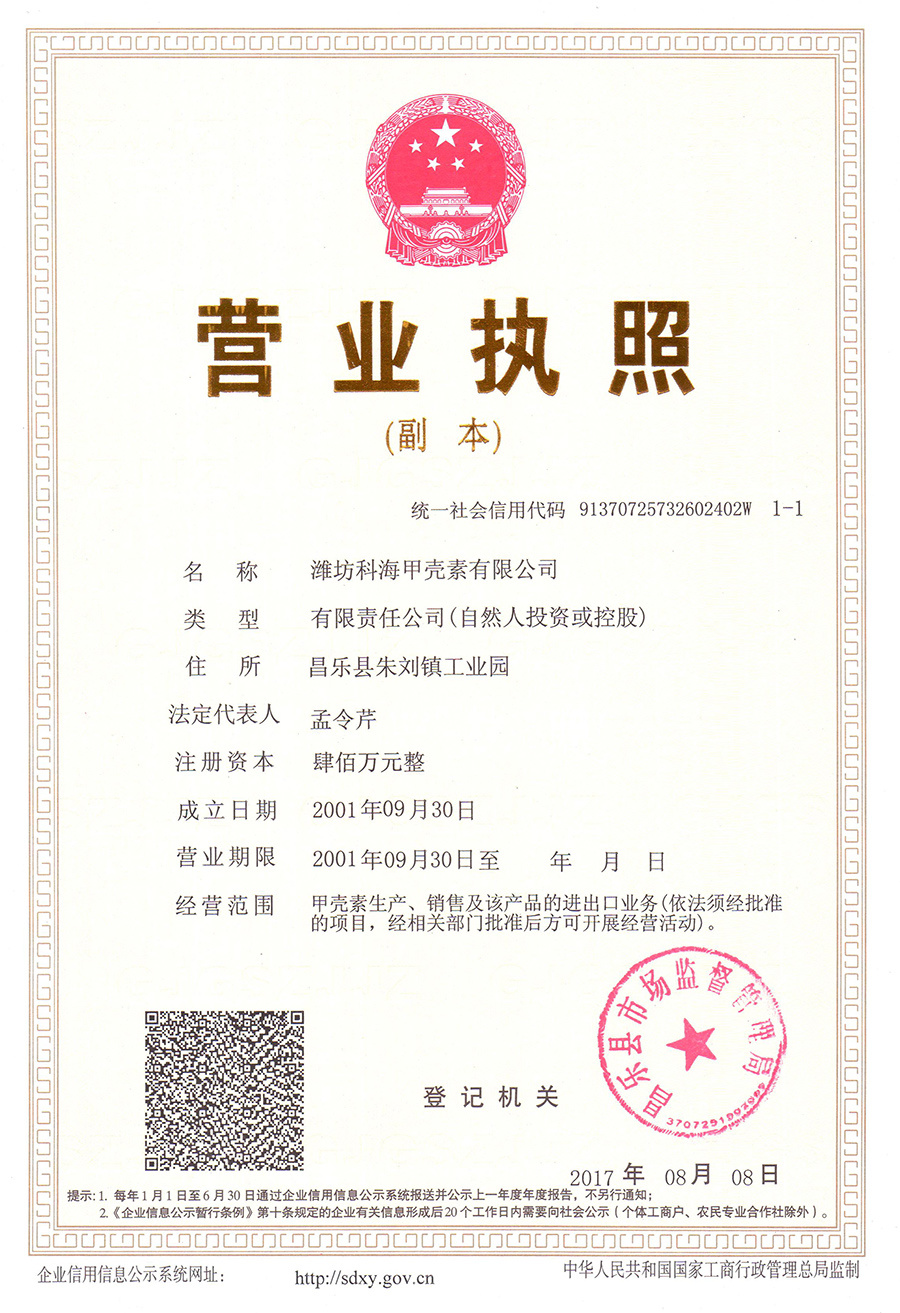
Weifang Kehai Chitosan Co., Ltd
Address: Zhuliu Industrial Park, Changle County, Weifang City, Shandong Province, China
General Manager: Ms Meng Ya
Mr. Meng: 86 13806497089
Ms Meng: 86 15563902222
Mr. Lee: 86 13011668883
Mail:kevinhbr888@gmail.com
General Manager: Ms Meng Ya
Mr. Meng: 86 13806497089
Ms Meng: 86 15563902222
Mr. Lee: 86 13011668883
Mail:kevinhbr888@gmail.com

QR CODE
MESSAGE