

Release time:
Table of Contents
1. Introduction: What is Agricultural Grade Chitosan Oligosaccharide?
2. Improved Nutrient Absorption: Maximizing Plant Health and Growth
3. Enhanced Disease Resistance: Protecting Crops Naturally
4. Increased Yield and Quality: Achieving Optimal Crop Production
5. Environmental Sustainability: A Greener Approach to Agriculture
6. Frequently Asked Questions (FAQs)
7. Conclusion
Agricultural grade chitosan oligosaccharide, derived from chitin found in the exoskeletons of crustaceans, is a natural biopolymer that has gained significant attention in the world of agriculture. This unique compound contains short-chain sugars known as oligosaccharides, which play a vital role in enhancing plant growth, health, and productivity.
One of the key benefits of agricultural grade chitosan oligosaccharide is its ability to improve nutrient absorption in plants. By stimulating root development and increasing the surface area for nutrient uptake, this compound ensures that plants can efficiently absorb essential nutrients from the soil. This results in healthier plants with improved growth rates and overall vitality.
Agricultural grade chitosan oligosaccharide promotes the growth of lateral roots, which are responsible for absorbing water and nutrients from the soil. This enhanced root system allows plants to access a larger volume of nutrients, enhancing their growth potential and facilitating better nutrient utilization.
The presence of chitosan oligosaccharide in the soil improves the cation exchange capacity, enabling plants to take up essential nutrients such as nitrogen, phosphorus, and potassium more efficiently. This increased nutrient uptake leads to improved plant health, stronger immunity, and ultimately, higher crop yields.
Agricultural grade chitosan oligosaccharide acts as a natural defense mechanism for plants, boosting their resistance against various diseases and pathogens. By activating the plant's immune system, this compound helps plants ward off harmful pathogens and reduces the need for chemical pesticides.
When plants are treated with agricultural grade chitosan oligosaccharide, it triggers a series of biochemical responses that activate the plant's defense mechanisms. This enables plants to produce antimicrobial compounds, strengthen cell walls, and enhance their overall resistance to diseases.
Chitosan oligosaccharide has been proven to effectively inhibit the growth of various fungal pathogens, including those causing damping-off, root rot, and powdery mildew. By suppressing fungal infections, this natural compound helps safeguard crops and minimizes the risk of yield loss.
The application of agricultural grade chitosan oligosaccharide has been shown to significantly improve both crop yield and quality. By promoting healthy plant growth, enhancing nutrient absorption, and protecting against diseases, this compound contributes to the overall success of agricultural endeavors.
The use of agricultural grade chitosan oligosaccharide has been associated with increased crop yields across various plant species. This can be attributed to the compound's ability to improve nutrient availability, enhance photosynthesis, and stimulate root development, all of which contribute to higher productivity.
Not only does agricultural grade chitosan oligosaccharide enhance crop yield, but it also improves the quality of harvested produce. The compound's positive effects on nutrient absorption and disease resistance result in healthier, more robust plants that produce higher-quality fruits, vegetables, and grains.
In addition to its agronomic benefits, agricultural grade chitosan oligosaccharide offers a sustainable and environmentally friendly approach to farming. By reducing the reliance on synthetic fertilizers and pesticides, this natural compound helps minimize environmental pollution and supports the transition to more sustainable agricultural practices.
By incorporating agricultural grade chitosan oligosaccharide into farming practices, growers can reduce their dependency on synthetic fertilizers and pesticides. This not only minimizes the environmental impact but also decreases production costs, making it a cost-effective and eco-friendly solution.
The application of agricultural grade chitosan oligosaccharide improves soil structure and enhances microbial activity, leading to healthier soils. This promotes nutrient cycling, increases water holding capacity, and improves overall soil fertility, creating a favorable environment for plant growth.
Agricultural grade chitosan oligosaccharide promotes root development and increases the surface area for nutrient uptake, resulting in improved nutrient absorption by plants.
Yes, agricultural grade chitosan oligosaccharide is a natural compound derived from crustacean shells and is considered safe for the environment.
While agricultural grade chitosan oligosaccharide enhances the natural defense mechanisms of plants, it is not a substitute for chemical pesticides. However, it can significantly reduce chemical dependency and minimize the use of synthetic pesticides.
Agricultural grade chitosan oligosaccharide reduces the reliance on synthetic fertilizers and pesticides, minimizing environmental pollution and promoting more sustainable farming practices.
Yes, agricultural grade chitosan oligosaccharide can be used on a wide range of crops, including fruits, vegetables, grains, and ornamental plants.
In conclusion, agricultural grade chitosan oligosaccharide offers numerous benefits for enhancing crop growth and improving overall plant health. From improved nutrient absorption and enhanced disease resistance to increased yield and quality, this natural compound provides a sustainable solution for optimizing crop production. By incorporating agricultural grade chitosan oligosaccharide into farming practices, growers can achieve higher productivity while minimizing environmental impact, paving the way for a greener and more sustainable future in agriculture.
1. Introduction: What is Agricultural Grade Chitosan Oligosaccharide?
2. Improved Nutrient Absorption: Maximizing Plant Health and Growth
3. Enhanced Disease Resistance: Protecting Crops Naturally
4. Increased Yield and Quality: Achieving Optimal Crop Production
5. Environmental Sustainability: A Greener Approach to Agriculture
6. Frequently Asked Questions (FAQs)
7. Conclusion
1. Introduction: What is Agricultural Grade Chitosan Oligosaccharide?
Agricultural grade chitosan oligosaccharide, derived from chitin found in the exoskeletons of crustaceans, is a natural biopolymer that has gained significant attention in the world of agriculture. This unique compound contains short-chain sugars known as oligosaccharides, which play a vital role in enhancing plant growth, health, and productivity.
2. Improved Nutrient Absorption: Maximizing Plant Health and Growth
One of the key benefits of agricultural grade chitosan oligosaccharide is its ability to improve nutrient absorption in plants. By stimulating root development and increasing the surface area for nutrient uptake, this compound ensures that plants can efficiently absorb essential nutrients from the soil. This results in healthier plants with improved growth rates and overall vitality.
2.1 Root Development Enhancement
Agricultural grade chitosan oligosaccharide promotes the growth of lateral roots, which are responsible for absorbing water and nutrients from the soil. This enhanced root system allows plants to access a larger volume of nutrients, enhancing their growth potential and facilitating better nutrient utilization.
2.2 Increased Nutrient Uptake
The presence of chitosan oligosaccharide in the soil improves the cation exchange capacity, enabling plants to take up essential nutrients such as nitrogen, phosphorus, and potassium more efficiently. This increased nutrient uptake leads to improved plant health, stronger immunity, and ultimately, higher crop yields.
3. Enhanced Disease Resistance: Protecting Crops Naturally
Agricultural grade chitosan oligosaccharide acts as a natural defense mechanism for plants, boosting their resistance against various diseases and pathogens. By activating the plant's immune system, this compound helps plants ward off harmful pathogens and reduces the need for chemical pesticides.
3.1 Activation of Plant Defense Mechanisms
When plants are treated with agricultural grade chitosan oligosaccharide, it triggers a series of biochemical responses that activate the plant's defense mechanisms. This enables plants to produce antimicrobial compounds, strengthen cell walls, and enhance their overall resistance to diseases.
3.2 Reduction in Fungal Infections
Chitosan oligosaccharide has been proven to effectively inhibit the growth of various fungal pathogens, including those causing damping-off, root rot, and powdery mildew. By suppressing fungal infections, this natural compound helps safeguard crops and minimizes the risk of yield loss.
4. Increased Yield and Quality: Achieving Optimal Crop Production
The application of agricultural grade chitosan oligosaccharide has been shown to significantly improve both crop yield and quality. By promoting healthy plant growth, enhancing nutrient absorption, and protecting against diseases, this compound contributes to the overall success of agricultural endeavors.
4.1 Higher Crop Yield
The use of agricultural grade chitosan oligosaccharide has been associated with increased crop yields across various plant species. This can be attributed to the compound's ability to improve nutrient availability, enhance photosynthesis, and stimulate root development, all of which contribute to higher productivity.
4.2 Improved Crop Quality
Not only does agricultural grade chitosan oligosaccharide enhance crop yield, but it also improves the quality of harvested produce. The compound's positive effects on nutrient absorption and disease resistance result in healthier, more robust plants that produce higher-quality fruits, vegetables, and grains.
5. Environmental Sustainability: A Greener Approach to Agriculture
In addition to its agronomic benefits, agricultural grade chitosan oligosaccharide offers a sustainable and environmentally friendly approach to farming. By reducing the reliance on synthetic fertilizers and pesticides, this natural compound helps minimize environmental pollution and supports the transition to more sustainable agricultural practices.
5.1 Reduced Chemical Dependency
By incorporating agricultural grade chitosan oligosaccharide into farming practices, growers can reduce their dependency on synthetic fertilizers and pesticides. This not only minimizes the environmental impact but also decreases production costs, making it a cost-effective and eco-friendly solution.
5.2 Improved Soil Health
The application of agricultural grade chitosan oligosaccharide improves soil structure and enhances microbial activity, leading to healthier soils. This promotes nutrient cycling, increases water holding capacity, and improves overall soil fertility, creating a favorable environment for plant growth.
6. Frequently Asked Questions (FAQs)
FAQ 1: How does agricultural grade chitosan oligosaccharide improve nutrient absorption?
Agricultural grade chitosan oligosaccharide promotes root development and increases the surface area for nutrient uptake, resulting in improved nutrient absorption by plants.
FAQ 2: Is agricultural grade chitosan oligosaccharide safe for the environment?
Yes, agricultural grade chitosan oligosaccharide is a natural compound derived from crustacean shells and is considered safe for the environment.
FAQ 3: Can agricultural grade chitosan oligosaccharide replace chemical pesticides?
While agricultural grade chitosan oligosaccharide enhances the natural defense mechanisms of plants, it is not a substitute for chemical pesticides. However, it can significantly reduce chemical dependency and minimize the use of synthetic pesticides.
FAQ 4: How does agricultural grade chitosan oligosaccharide contribute to sustainable agriculture?
Agricultural grade chitosan oligosaccharide reduces the reliance on synthetic fertilizers and pesticides, minimizing environmental pollution and promoting more sustainable farming practices.
FAQ 5: Can agricultural grade chitosan oligosaccharide be used on all types of crops?
Yes, agricultural grade chitosan oligosaccharide can be used on a wide range of crops, including fruits, vegetables, grains, and ornamental plants.
7. Conclusion
In conclusion, agricultural grade chitosan oligosaccharide offers numerous benefits for enhancing crop growth and improving overall plant health. From improved nutrient absorption and enhanced disease resistance to increased yield and quality, this natural compound provides a sustainable solution for optimizing crop production. By incorporating agricultural grade chitosan oligosaccharide into farming practices, growers can achieve higher productivity while minimizing environmental impact, paving the way for a greener and more sustainable future in agriculture.
Related
CONTACT US
language
English
العربية
বাংলাদেশ
Български
Hrvatski
Česky
Dansk
Nederland
 Esperanto
Slovenski
Filipino
Suomi
Français
Maori
 Shqiptare
Georgian
 Euskara
Deutsch
Ελλάδα
ישראל
इंडिया
Magyarország
Ísland
Indonesia
Irlanda
Italia
日本語
Sovensko
Հայաստան
한국
Kyrgyz
ປະເທດລາວ
 Zulu
Zulu
Latvian
Lithuanian
Luxembourgish
 Latinus
Macedonian
Малайская
Maltese
Монгол улс
 Cymraeg
ဗမာ
 தமிழ்
தமிழ்
नेपाल
Norge
ایران
Polska
Portugal
România
Российская
Србија
 Slovak
Србија
 Slovak
Bosanski
Slovenian
Беларус
España
Sverige
Точик
ประเทศไทย
Türk
Azərbaycan
Uzbek
 Afrikaans
Việt Nam
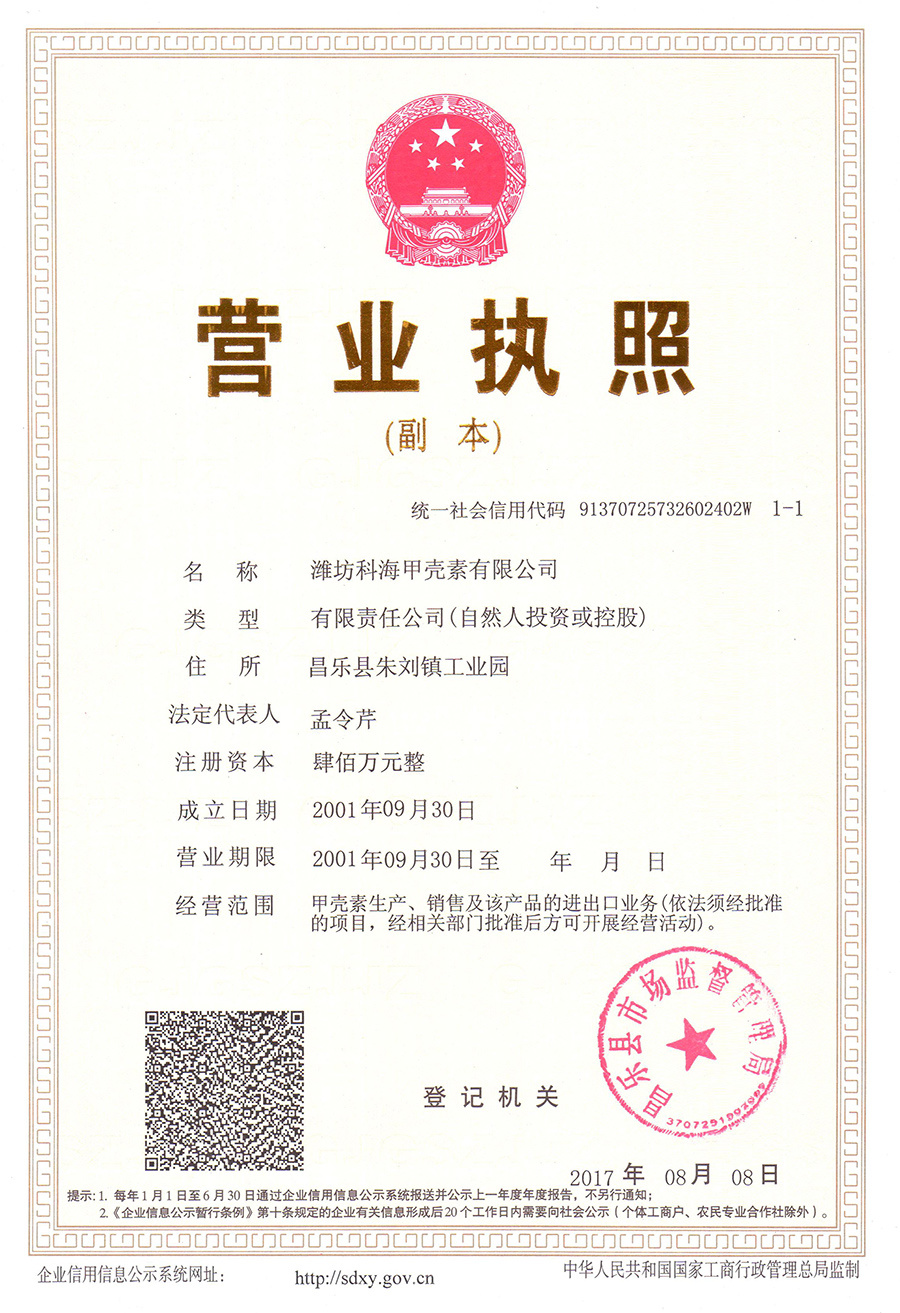
Weifang Kehai Chitosan Co., Ltd
Address: Zhuliu Industrial Park, Changle County, Weifang City, Shandong Province, China
General Manager: Ms Meng Ya
Mr. Meng: 86 13806497089
Ms Meng: 86 15563902222
Mr. Lee: 86 13011668883
Mail:kevinhbr888@gmail.com
General Manager: Ms Meng Ya
Mr. Meng: 86 13806497089
Ms Meng: 86 15563902222
Mr. Lee: 86 13011668883
Mail:kevinhbr888@gmail.com

QR CODE
MESSAGE