

Release time:
When it comes to food additives in the agricultural industry, one name that stands out is agricultural grade chitosan oligosaccharide. This versatile compound has gained popularity for its numerous benefits in improving crop yield, enhancing plant growth, and promoting soil health. In this article, we will explore the features, applications, and advantages of agricultural grade chitosan oligosaccharide.
Agricultural grade chitosan oligosaccharide is derived from chitosan, a polysaccharide obtained from the exoskeletons of crustaceans like shrimp and crab. It is processed into a fine powder or liquid form, making it easy to incorporate into different agricultural practices.
One of the key benefits of agricultural grade chitosan oligosaccharide is its ability to stimulate plant growth and development. When applied to plants, it acts as a natural biostimulant, promoting root growth, increasing nutrient uptake, and improving overall plant vigor. This, in turn, leads to higher crop yields and improved quality.
Furthermore, chitosan oligosaccharide has been found to enhance the plant's natural defense mechanisms against pathogens and pests. It activates the plant's immune system, making it more resistant to diseases and reducing the need for chemical pesticides. This not only benefits the environment but also contributes to healthier and safer food production.
Another important aspect of agricultural grade chitosan oligosaccharide is its positive impact on soil health. It promotes the growth of beneficial microorganisms in the soil, improving its structure and fertility. This results in better water retention, increased nutrient availability, and reduced soil erosion. By enhancing soil health, chitosan oligosaccharide contributes to long-term sustainable agriculture practices.
In terms of application, agricultural grade chitosan oligosaccharide can be used in various ways. It can be applied as a foliar spray, seed treatment, or added to irrigation water. The dosage and timing of application may vary depending on the specific crop and desired outcome. It is important to follow recommended guidelines and consult with agricultural experts for optimal results.
To sum up, agricultural grade chitosan oligosaccharide is a valuable food additive in the agricultural industry. Its ability to enhance plant growth, improve crop yield, and promote soil health makes it an essential tool for sustainable and efficient farming practices. Incorporating chitosan oligosaccharide into agricultural routines can lead to healthier plants, better harvests, and a more environmentally friendly approach to food production.
Agricultural grade chitosan oligosaccharide is derived from chitosan, a polysaccharide obtained from the exoskeletons of crustaceans like shrimp and crab. It is processed into a fine powder or liquid form, making it easy to incorporate into different agricultural practices.
One of the key benefits of agricultural grade chitosan oligosaccharide is its ability to stimulate plant growth and development. When applied to plants, it acts as a natural biostimulant, promoting root growth, increasing nutrient uptake, and improving overall plant vigor. This, in turn, leads to higher crop yields and improved quality.
Furthermore, chitosan oligosaccharide has been found to enhance the plant's natural defense mechanisms against pathogens and pests. It activates the plant's immune system, making it more resistant to diseases and reducing the need for chemical pesticides. This not only benefits the environment but also contributes to healthier and safer food production.
Another important aspect of agricultural grade chitosan oligosaccharide is its positive impact on soil health. It promotes the growth of beneficial microorganisms in the soil, improving its structure and fertility. This results in better water retention, increased nutrient availability, and reduced soil erosion. By enhancing soil health, chitosan oligosaccharide contributes to long-term sustainable agriculture practices.
In terms of application, agricultural grade chitosan oligosaccharide can be used in various ways. It can be applied as a foliar spray, seed treatment, or added to irrigation water. The dosage and timing of application may vary depending on the specific crop and desired outcome. It is important to follow recommended guidelines and consult with agricultural experts for optimal results.
To sum up, agricultural grade chitosan oligosaccharide is a valuable food additive in the agricultural industry. Its ability to enhance plant growth, improve crop yield, and promote soil health makes it an essential tool for sustainable and efficient farming practices. Incorporating chitosan oligosaccharide into agricultural routines can lead to healthier plants, better harvests, and a more environmentally friendly approach to food production.
Related
CONTACT US
language
English
العربية
বাংলাদেশ
Български
Hrvatski
Česky
Dansk
Nederland
 Esperanto
Slovenski
Filipino
Suomi
Français
Maori
 Shqiptare
Georgian
 Euskara
Deutsch
Ελλάδα
ישראל
इंडिया
Magyarország
Ísland
Indonesia
Irlanda
Italia
日本語
Sovensko
Հայաստան
한국
Kyrgyz
ປະເທດລາວ
 Zulu
Zulu
Latvian
Lithuanian
Luxembourgish
 Latinus
Macedonian
Малайская
Maltese
Монгол улс
 Cymraeg
ဗမာ
 தமிழ்
தமிழ்
नेपाल
Norge
ایران
Polska
Portugal
România
Российская
Србија
 Slovak
Србија
 Slovak
Bosanski
Slovenian
Беларус
España
Sverige
Точик
ประเทศไทย
Türk
Azərbaycan
Uzbek
 Afrikaans
Việt Nam
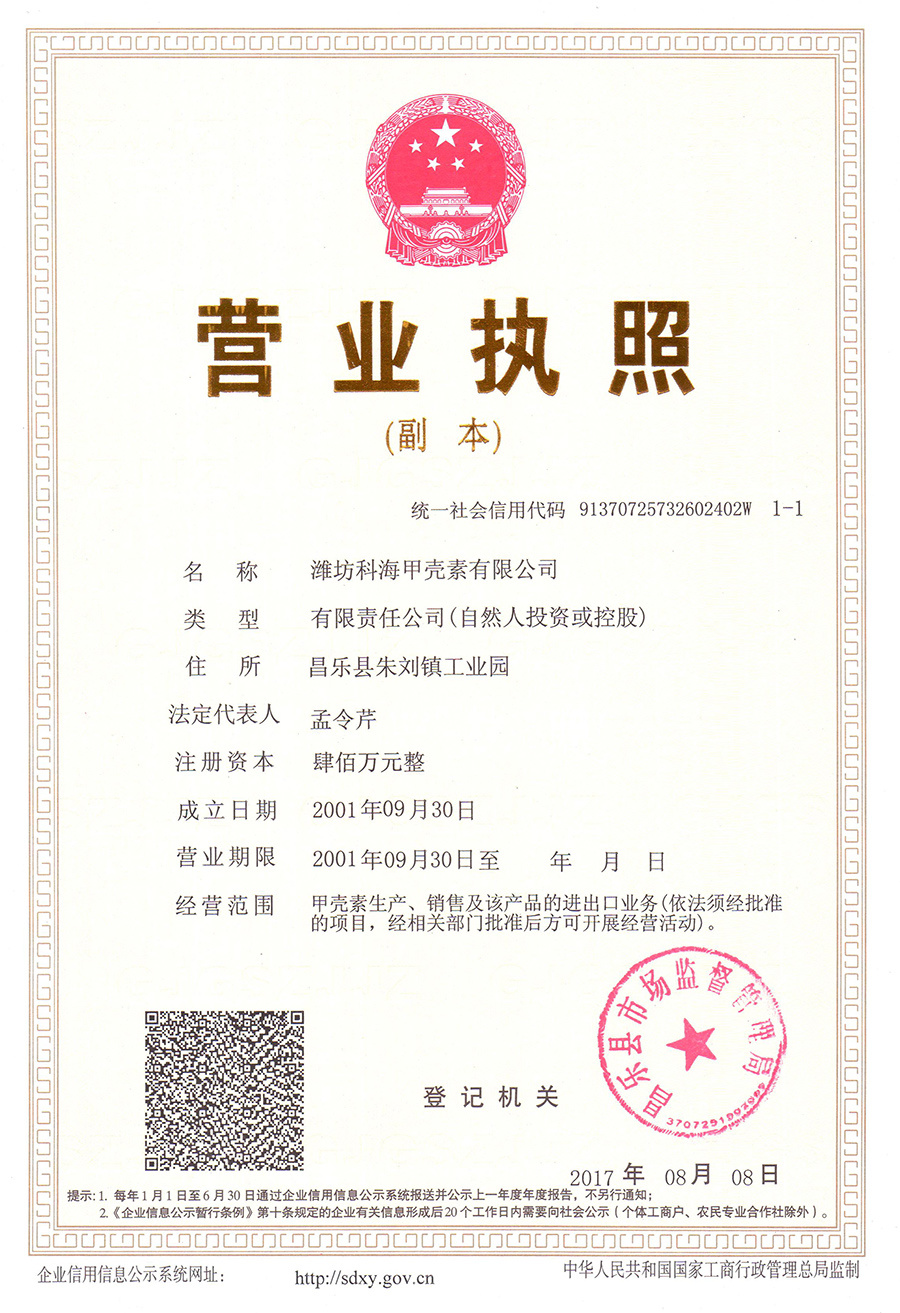
Weifang Kehai Chitosan Co., Ltd
Address: Zhuliu Industrial Park, Changle County, Weifang City, Shandong Province, China
General Manager: Ms Meng Ya
Mr. Meng: 86 13806497089
Ms Meng: 86 15563902222
Mr. Lee: 86 13011668883
Mail:kevinhbr888@gmail.com
General Manager: Ms Meng Ya
Mr. Meng: 86 13806497089
Ms Meng: 86 15563902222
Mr. Lee: 86 13011668883
Mail:kevinhbr888@gmail.com

QR CODE
MESSAGE