

Release time:
Table of Contents
- Introduction
- What is Feed Grade Chitosan Oligosaccharide?
- How Does Feed Grade Chitosan Oligosaccharide Enhance Agricultural Productivity?
- Benefits of Feed Grade Chitosan Oligosaccharide in Agriculture
- Applications of Feed Grade Chitosan Oligosaccharide in Various Crops
- Sustainable Practices and Environmental Impact
- Frequently Asked Questions (FAQs)
- Conclusion
Introduction
Agricultural productivity is the backbone of food security and economic growth. In the pursuit of sustainable farming practices, farmers and researchers have been exploring innovative solutions to enhance crop yield, improve plant health, and mitigate environmental impact. One such solution gaining traction is the utilization of feed grade chitosan oligosaccharide. This article delves into the world of chitosan oligosaccharide and its potential to revolutionize agricultural productivity.
What is Feed Grade Chitosan Oligosaccharide?
Feed grade chitosan oligosaccharide is a biopolymer derived from chitosan, a natural polysaccharide found in the exoskeletons of crustaceans. Through advanced enzymatic hydrolysis, chitosan is broken down into smaller molecular components, resulting in the creation of chitosan oligosaccharide. Feed grade chitosan oligosaccharide is specifically designed for agricultural applications and possesses unique properties that make it an effective growth promoter and plant defense enhancer.
How Does Feed Grade Chitosan Oligosaccharide Enhance Agricultural Productivity?
Feed grade chitosan oligosaccharide acts as a multifunctional agricultural tool, benefiting crops in several ways. Firstly, it stimulates plant growth by enhancing nutrient uptake and root development. The oligosaccharide molecules interact with plant cells, triggering physiological responses that promote growth and productivity. Additionally, chitosan oligosaccharide acts as a biocontrol agent, activating the plant's natural defense mechanisms against pests and diseases. This dual-action mechanism makes feed grade chitosan oligosaccharide a powerful ally in boosting agricultural productivity.
Benefits of Feed Grade Chitosan Oligosaccharide in Agriculture
The utilization of feed grade chitosan oligosaccharide offers numerous advantages for farmers and their crops. Firstly, it improves nutrient absorption efficiency, allowing plants to access essential elements more effectively. This leads to enhanced plant growth, increased crop yield, and improved overall quality. Additionally, chitosan oligosaccharide aids in stress tolerance, making crops more resilient to adverse environmental conditions such as drought, heat, and salinity. Furthermore, it stimulates the synthesis of plant defense compounds, bolstering the plant's immune system and reducing the need for synthetic pesticides.
Applications of Feed Grade Chitosan Oligosaccharide in Various Crops
Feed grade chitosan oligosaccharide exhibits remarkable versatility in its application across a wide range of crops. Its benefits have been observed in fruits, vegetables, cereals, and cash crops alike. In fruits and vegetables, chitosan oligosaccharide has been found to improve fruit quality, extend shelf life, and enhance disease resistance. In cereals, it promotes seedling vigor, accelerates root development, and increases grain yield. In cash crops like cotton and tobacco, chitosan oligosaccharide enhances plant growth, fiber quality, and resistance to pests. These diverse applications highlight the potential of feed grade chitosan oligosaccharide in optimizing agricultural productivity across different crop types.
Sustainable Practices and Environmental Impact
In addition to its agricultural benefits, feed grade chitosan oligosaccharide offers sustainability advantages. It is derived from renewable sources, reducing dependence on synthetic chemicals and minimizing the environmental impact associated with traditional farming practices. By promoting plant health and reducing the need for chemical interventions, chitosan oligosaccharide contributes to the development of sustainable and eco-friendly agricultural systems.
Frequently Asked Questions (FAQs)
Q: Is feed grade chitosan oligosaccharide safe for human consumption?
Yes, feed grade chitosan oligosaccharide is safe for human consumption. However, it is important to note that feed grade chitosan oligosaccharide is primarily intended for agricultural use and not direct human consumption.
Q: Can feed grade chitosan oligosaccharide replace synthetic fertilizers and pesticides?
While feed grade chitosan oligosaccharide offers significant benefits in terms of plant growth promotion and disease resistance, it is not intended as a replacement for synthetic fertilizers and pesticides. It is best used as a complementary tool in integrated pest management and sustainable agricultural practices.
Q: How should feed grade chitosan oligosaccharide be applied to crops?
Feed grade chitosan oligosaccharide can be applied to crops through various methods such as foliar sprays, seed coatings, and soil drenching. The specific application method may vary depending on crop type, growth stage, and targeted benefits. It is recommended to follow the product instructions and consult with agricultural experts for optimal application practices.
Q: Is feed grade chitosan oligosaccharide compatible with other agricultural inputs?
Feed grade chitosan oligosaccharide is generally compatible with other agricultural inputs such as fertilizers, pesticides, and biostimulants. However, it is advisable to conduct compatibility tests or seek guidance from product manufacturers or agricultural professionals to ensure proper integration with other inputs.
Q: Are there any regulatory restrictions on the use of feed grade chitosan oligosaccharide?
Regulatory restrictions on the use of feed grade chitosan oligosaccharide may vary across different countries and regions. It is important to adhere to local regulations and obtain necessary approvals or certifications before utilizing chitosan oligosaccharide in agricultural practices.
Conclusion
Feed grade chitosan oligosaccharide offers an innovative and sustainable solution to enhance agricultural productivity. Its multifunctional benefits, ranging from promoting plant growth to improving disease resistance, make it a valuable tool for farmers worldwide. By utilizing feed grade chitosan oligosaccharide, farmers can optimize crop yield, enhance plant health, and contribute to the development of sustainable farming practices. Embrace the power of chitosan oligosaccharide and unlock the potential of your agricultural endeavors.
Related
CONTACT US
language
English
العربية
বাংলাদেশ
Български
Hrvatski
Česky
Dansk
Nederland
 Esperanto
Slovenski
Filipino
Suomi
Français
Maori
 Shqiptare
Georgian
 Euskara
Deutsch
Ελλάδα
ישראל
इंडिया
Magyarország
Ísland
Indonesia
Irlanda
Italia
日本語
Sovensko
Հայաստան
한국
Kyrgyz
ປະເທດລາວ
 Zulu
Zulu
Latvian
Lithuanian
Luxembourgish
 Latinus
Macedonian
Малайская
Maltese
Монгол улс
 Cymraeg
ဗမာ
 தமிழ்
தமிழ்
नेपाल
Norge
ایران
Polska
Portugal
România
Российская
Србија
 Slovak
Србија
 Slovak
Bosanski
Slovenian
Беларус
España
Sverige
Точик
ประเทศไทย
Türk
Azərbaycan
Uzbek
 Afrikaans
Việt Nam
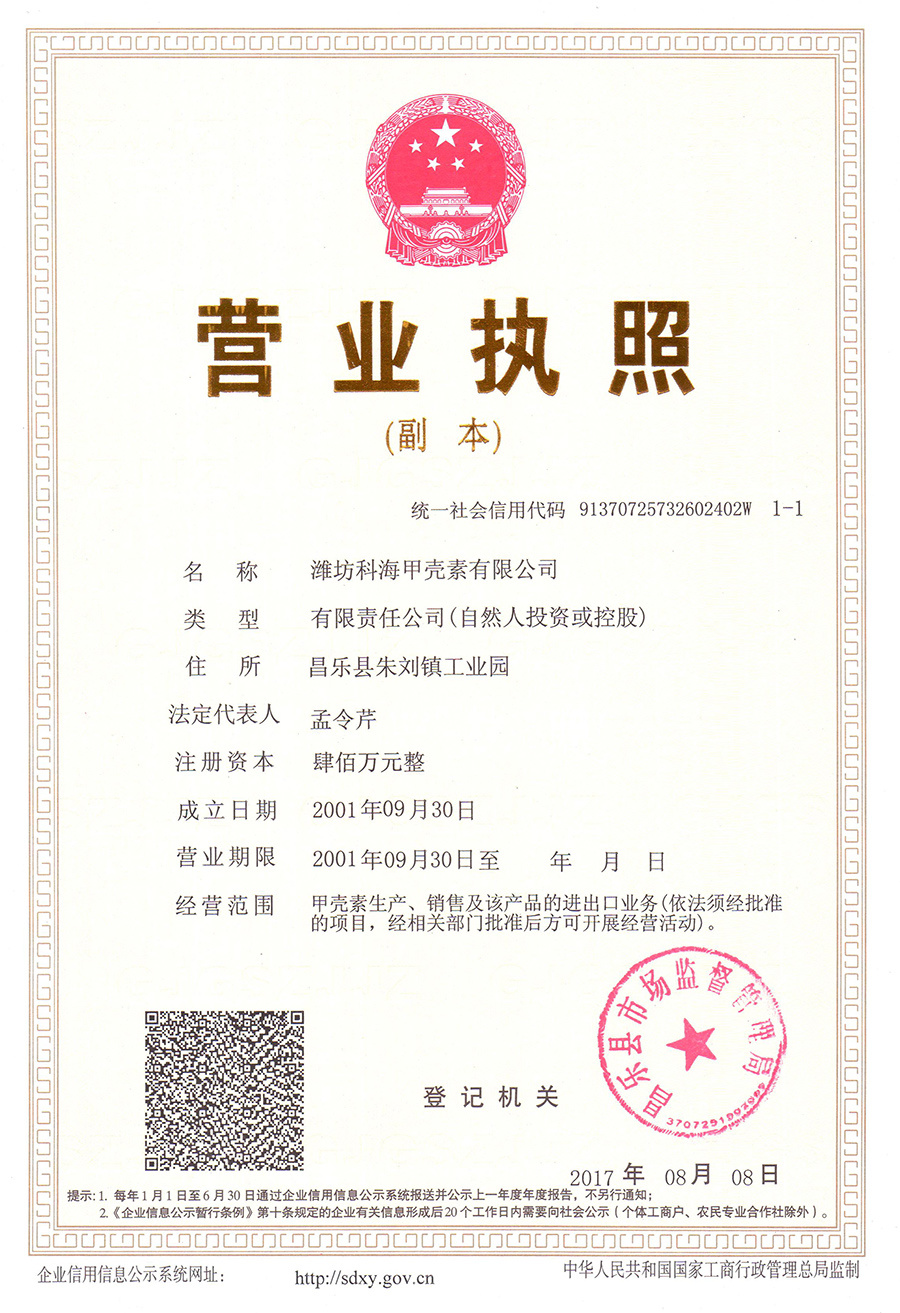
Weifang Kehai Chitosan Co., Ltd
Address: Zhuliu Industrial Park, Changle County, Weifang City, Shandong Province, China
General Manager: Ms Meng Ya
Mr. Meng: 86 13806497089
Ms Meng: 86 15563902222
Mr. Lee: 86 13011668883
Mail:kevinhbr888@gmail.com
General Manager: Ms Meng Ya
Mr. Meng: 86 13806497089
Ms Meng: 86 15563902222
Mr. Lee: 86 13011668883
Mail:kevinhbr888@gmail.com

QR CODE
MESSAGE