

Release time:
Table of Contents
1. Introduction: Understanding the Role of Feed Grade Chitosan Oligosaccharide
2. How Feed Grade Chitosan Oligosaccharide Works: Unlocking its Mechanisms
3. Key Benefits of Feed Grade Chitosan Oligosaccharide in Farming
4. Applications of Feed Grade Chitosan Oligosaccharide in Agriculture
5. Frequently Asked Questions (FAQs) about Feed Grade Chitosan Oligosaccharide
6. Conclusion: Embrace the Future of Farming with Feed Grade Chitosan Oligosaccharide
In today's rapidly evolving agricultural landscape, farmers are constantly seeking innovative solutions to maximize their farming potential. One such solution that has gained significant attention is feed grade chitosan oligosaccharide. This natural and eco-friendly product offers a myriad of benefits that can revolutionize farming practices and enhance overall crop yield.
Feed grade chitosan oligosaccharide is derived from chitosan, a biopolymer extracted from the shells of crustaceans such as shrimp and crab. It undergoes a series of enzymatic processes to obtain a low-molecular-weight product that exhibits exceptional bioactivity and efficacy in agriculture.
The unique properties of feed grade chitosan oligosaccharide make it a valuable asset in farming. Its active compounds act as powerful biostimulants that promote plant growth, enhance nutrient uptake, and improve plant resistance to various stressors such as pests, diseases, and adverse environmental conditions.
Feed grade chitosan oligosaccharide acts through multiple mechanisms to deliver exceptional results in agriculture. Its molecular structure enables it to interact with plant receptors, triggering a cascade of physiological responses that optimize plant growth and development.
The bioactive components of feed grade chitosan oligosaccharide enhance nutrient uptake by stimulating root development and increasing the efficiency of nutrient absorption. This leads to healthier, more robust plants with improved nutrient utilization.
By activating plant defense systems, feed grade chitosan oligosaccharide boosts the natural resistance of crops to pathogens, pests, and environmental stressors. This reduces the reliance on chemical pesticides and fosters sustainable farming practices.
Feed grade chitosan oligosaccharide acts as a natural plant growth regulator by modulating the production and distribution of key plant hormones. This helps optimize the balance between vegetative growth and reproductive development, resulting in higher crop yields.
Utilizing feed grade chitosan oligosaccharide in farming practices has shown promising results in terms of increased crop yield. The enhanced nutrient uptake, improved plant defense mechanisms, and regulated plant hormones contribute to higher productivity and better-quality harvests.
The application of feed grade chitosan oligosaccharide promotes overall plant health by strengthening the immune system, reducing the incidence of diseases, and mitigating the impact of environmental stress. This leads to healthier, more resilient crops that can withstand adverse conditions.
Feed grade chitosan oligosaccharide offers a sustainable and eco-friendly alternative to traditional agricultural practices. Its natural origin and biodegradable properties contribute to a more environmentally conscious approach to farming, reducing the ecological footprint of agricultural activities.
Treating seeds with feed grade chitosan oligosaccharide before sowing enhances germination, promotes uniform seedling emergence, and provides early protection against pathogens. This sets the foundation for healthy plant growth and optimal crop development.
Applying feed grade chitosan oligosaccharide through foliar sprays ensures direct contact with plant foliage, allowing for rapid absorption and utilization. This method enhances photosynthesis, nutrient uptake, and overall plant vigor.
By incorporating feed grade chitosan oligosaccharide into the soil through drenching, it improves soil structure, enhances nutrient availability, and fosters a balanced soil microbiome. This creates an ideal growing environment for plants and promotes long-term soil health.
A: Yes, feed grade chitosan oligosaccharide is a natural and organic product that aligns with organic farming practices. Its eco-friendly nature makes it an ideal choice for sustainable agriculture.
A: Absolutely. Feed grade chitosan oligosaccharide is compatible with various agrochemicals and can be incorporated into existing farming routines without adverse effects.
A: The application frequency depends on the specific crop and farming conditions. It is recommended to follow the product instructions or consult with agricultural experts for tailored recommendations.
A: Yes, feed grade chitosan oligosaccharide has been shown to extend the shelf life of harvested crops by inhibiting microbial growth and delaying the onset of spoilage. This helps maintain product quality and reduce post-harvest losses.
A: Feed grade chitosan oligosaccharide can be used on a wide range of crops, including fruits, vegetables, grains, and ornamental plants. Its versatile nature makes it a valuable asset for diverse agricultural practices.
Feed grade chitosan oligosaccharide stands as a game-changer in modern farming, offering numerous benefits that can significantly boost agricultural productivity. Its ability to enhance nutrient uptake, activate plant defense mechanisms, and regulate plant hormones makes it a valuable tool for maximizing crop yield and improving overall plant health. By incorporating feed grade chitosan oligosaccharide into farming practices, farmers can embrace a sustainable, eco-friendly approach and unlock their farming potential like never before. Embrace the power of nature and experience the transformative effects of feed grade chitosan oligosaccharide for your farm.
1. Introduction: Understanding the Role of Feed Grade Chitosan Oligosaccharide
2. How Feed Grade Chitosan Oligosaccharide Works: Unlocking its Mechanisms
3. Key Benefits of Feed Grade Chitosan Oligosaccharide in Farming
4. Applications of Feed Grade Chitosan Oligosaccharide in Agriculture
5. Frequently Asked Questions (FAQs) about Feed Grade Chitosan Oligosaccharide
6. Conclusion: Embrace the Future of Farming with Feed Grade Chitosan Oligosaccharide
1. Introduction: Understanding the Role of Feed Grade Chitosan Oligosaccharide
In today's rapidly evolving agricultural landscape, farmers are constantly seeking innovative solutions to maximize their farming potential. One such solution that has gained significant attention is feed grade chitosan oligosaccharide. This natural and eco-friendly product offers a myriad of benefits that can revolutionize farming practices and enhance overall crop yield.
1.1 What is Feed Grade Chitosan Oligosaccharide?
Feed grade chitosan oligosaccharide is derived from chitosan, a biopolymer extracted from the shells of crustaceans such as shrimp and crab. It undergoes a series of enzymatic processes to obtain a low-molecular-weight product that exhibits exceptional bioactivity and efficacy in agriculture.
1.2 The Science Behind Feed Grade Chitosan Oligosaccharide
The unique properties of feed grade chitosan oligosaccharide make it a valuable asset in farming. Its active compounds act as powerful biostimulants that promote plant growth, enhance nutrient uptake, and improve plant resistance to various stressors such as pests, diseases, and adverse environmental conditions.
2. How Feed Grade Chitosan Oligosaccharide Works: Unlocking its Mechanisms
Feed grade chitosan oligosaccharide acts through multiple mechanisms to deliver exceptional results in agriculture. Its molecular structure enables it to interact with plant receptors, triggering a cascade of physiological responses that optimize plant growth and development.
2.1 Enhanced Nutrient Uptake
The bioactive components of feed grade chitosan oligosaccharide enhance nutrient uptake by stimulating root development and increasing the efficiency of nutrient absorption. This leads to healthier, more robust plants with improved nutrient utilization.
2.2 Activation of Plant Defense Systems
By activating plant defense systems, feed grade chitosan oligosaccharide boosts the natural resistance of crops to pathogens, pests, and environmental stressors. This reduces the reliance on chemical pesticides and fosters sustainable farming practices.
2.3 Regulation of Plant Hormones
Feed grade chitosan oligosaccharide acts as a natural plant growth regulator by modulating the production and distribution of key plant hormones. This helps optimize the balance between vegetative growth and reproductive development, resulting in higher crop yields.
3. Key Benefits of Feed Grade Chitosan Oligosaccharide in Farming
3.1 Increased Crop Yield
Utilizing feed grade chitosan oligosaccharide in farming practices has shown promising results in terms of increased crop yield. The enhanced nutrient uptake, improved plant defense mechanisms, and regulated plant hormones contribute to higher productivity and better-quality harvests.
3.2 Improved Plant Health
The application of feed grade chitosan oligosaccharide promotes overall plant health by strengthening the immune system, reducing the incidence of diseases, and mitigating the impact of environmental stress. This leads to healthier, more resilient crops that can withstand adverse conditions.
3.3 Sustainable and Eco-Friendly Solution
Feed grade chitosan oligosaccharide offers a sustainable and eco-friendly alternative to traditional agricultural practices. Its natural origin and biodegradable properties contribute to a more environmentally conscious approach to farming, reducing the ecological footprint of agricultural activities.
4. Applications of Feed Grade Chitosan Oligosaccharide in Agriculture
4.1 Seed Treatment
Treating seeds with feed grade chitosan oligosaccharide before sowing enhances germination, promotes uniform seedling emergence, and provides early protection against pathogens. This sets the foundation for healthy plant growth and optimal crop development.
4.2 Foliar Sprays
Applying feed grade chitosan oligosaccharide through foliar sprays ensures direct contact with plant foliage, allowing for rapid absorption and utilization. This method enhances photosynthesis, nutrient uptake, and overall plant vigor.
4.3 Soil Drenching
By incorporating feed grade chitosan oligosaccharide into the soil through drenching, it improves soil structure, enhances nutrient availability, and fosters a balanced soil microbiome. This creates an ideal growing environment for plants and promotes long-term soil health.
5. Frequently Asked Questions (FAQs) about Feed Grade Chitosan Oligosaccharide
Q1: Is feed grade chitosan oligosaccharide safe for use in organic farming?
A: Yes, feed grade chitosan oligosaccharide is a natural and organic product that aligns with organic farming practices. Its eco-friendly nature makes it an ideal choice for sustainable agriculture.
Q2: Can feed grade chitosan oligosaccharide be used with other agrochemicals?
A: Absolutely. Feed grade chitosan oligosaccharide is compatible with various agrochemicals and can be incorporated into existing farming routines without adverse effects.
Q3: How often should feed grade chitosan oligosaccharide be applied?
A: The application frequency depends on the specific crop and farming conditions. It is recommended to follow the product instructions or consult with agricultural experts for tailored recommendations.
Q4: Can feed grade chitosan oligosaccharide enhance the shelf life of harvested crops?
A: Yes, feed grade chitosan oligosaccharide has been shown to extend the shelf life of harvested crops by inhibiting microbial growth and delaying the onset of spoilage. This helps maintain product quality and reduce post-harvest losses.
Q5: Is feed grade chitosan oligosaccharide suitable for all types of crops?
A: Feed grade chitosan oligosaccharide can be used on a wide range of crops, including fruits, vegetables, grains, and ornamental plants. Its versatile nature makes it a valuable asset for diverse agricultural practices.
6. Conclusion: Embrace the Future of Farming with Feed Grade Chitosan Oligosaccharide
Feed grade chitosan oligosaccharide stands as a game-changer in modern farming, offering numerous benefits that can significantly boost agricultural productivity. Its ability to enhance nutrient uptake, activate plant defense mechanisms, and regulate plant hormones makes it a valuable tool for maximizing crop yield and improving overall plant health. By incorporating feed grade chitosan oligosaccharide into farming practices, farmers can embrace a sustainable, eco-friendly approach and unlock their farming potential like never before. Embrace the power of nature and experience the transformative effects of feed grade chitosan oligosaccharide for your farm.
Related
CONTACT US
language
English
العربية
বাংলাদেশ
Български
Hrvatski
Česky
Dansk
Nederland
 Esperanto
Slovenski
Filipino
Suomi
Français
Maori
 Shqiptare
Georgian
 Euskara
Deutsch
Ελλάδα
ישראל
इंडिया
Magyarország
Ísland
Indonesia
Irlanda
Italia
日本語
Sovensko
Հայաստան
한국
Kyrgyz
ປະເທດລາວ
 Zulu
Zulu
Latvian
Lithuanian
Luxembourgish
 Latinus
Macedonian
Малайская
Maltese
Монгол улс
 Cymraeg
ဗမာ
 தமிழ்
தமிழ்
नेपाल
Norge
ایران
Polska
Portugal
România
Российская
Србија
 Slovak
Србија
 Slovak
Bosanski
Slovenian
Беларус
España
Sverige
Точик
ประเทศไทย
Türk
Azərbaycan
Uzbek
 Afrikaans
Việt Nam
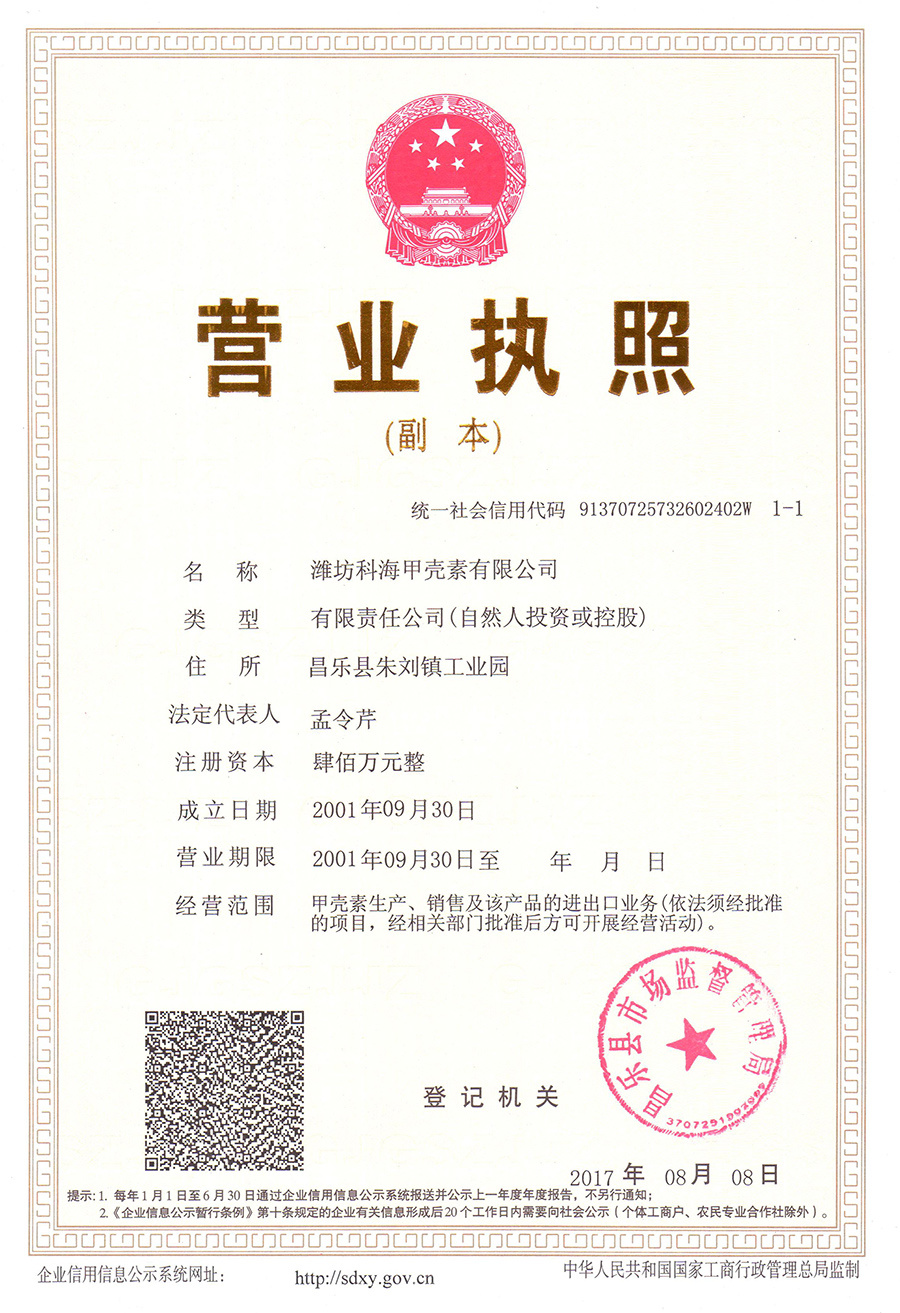
Weifang Kehai Chitosan Co., Ltd
Address: Zhuliu Industrial Park, Changle County, Weifang City, Shandong Province, China
General Manager: Ms Meng Ya
Mr. Meng: 86 13806497089
Ms Meng: 86 15563902222
Mr. Lee: 86 13011668883
Mail:kevinhbr888@gmail.com
General Manager: Ms Meng Ya
Mr. Meng: 86 13806497089
Ms Meng: 86 15563902222
Mr. Lee: 86 13011668883
Mail:kevinhbr888@gmail.com

QR CODE
MESSAGE