

Release time:
Table of Contents
1. Introduction
2. Understanding Chitosan Additives
3. The Science Behind Chitosan's Effectiveness
4. Enhancing Plant Growth with Chitosan Additives
4.1 Stimulating Seed Germination and Early Growth
4.2 Promoting Root Development
4.3 Increasing Shoot and Leaf Growth
5. Strengthening Plant Defense Mechanisms
5.1 Boosting Disease Resistance
5.2 Enhancing Pest Control
6. Improving Nutrient Uptake and Utilization
6.1 Increasing Absorption of Essential Nutrients
6.2 Facilitating Nutrient Translocation
6.3 Enhancing Fertilizer Efficiency
7. Environmental Benefits of Chitosan Additives
7.1 Reducing Chemical Dependency
7.2 Enhancing Soil Health and Microbial Activity
7.3 Mitigating Environmental Impact
8. Frequently Asked Questions (FAQs)
8.1 What is textile grade chitosan?
8.2 How are chitosan additives applied to crops?
8.3 Are chitosan additives safe for the environment?
8.4 Can chitosan additives be used in organic farming?
8.5 What other agricultural benefits does chitosan offer?
9. Conclusion
1. Introduction
In the quest for sustainable agriculture and higher crop productivity, farmers are increasingly turning to innovative solutions. One such solution gaining popularity is the use of textile grade chitosan additives. This article explores the potential of chitosan additives in enhancing crop yield and the various benefits they bring to the agricultural sector.
2. Understanding Chitosan Additives
Chitosan is derived from chitin, a natural polysaccharide found in the exoskeletons of crustaceans such as shrimp and crabs. Textile grade chitosan is a purified form that has been processed specifically for agricultural applications. Its unique properties make it an ideal additive for enhancing crop growth and defense mechanisms.
3. The Science Behind Chitosan's Effectiveness
Chitosan stimulates plant growth and strengthens defense mechanisms through various mechanisms. It triggers the release of plant growth regulators, activates immune responses, and enhances nutrient absorption. Additionally, chitosan's antimicrobial properties enable plants to resist diseases and pests.
4. Enhancing Plant Growth with Chitosan Additives
4.1 Stimulating Seed Germination and Early Growth
Chitosan additives have been shown to promote uniform and faster seed germination, leading to earlier and healthier plant establishment. This advantage is particularly valuable in regions with short growing seasons.
4.2 Promoting Root Development
Chitosan additives enhance root growth and branching, resulting in an improved root system that allows plants to absorb more water and nutrients from the soil. This increased root mass also enhances anchorage, making crops more resistant to lodging.
4.3 Increasing Shoot and Leaf Growth
Chitosan additives stimulate shoot and leaf growth, leading to more robust plants with increased leaf area for photosynthesis. This results in improved energy production and higher crop yields.
5. Strengthening Plant Defense Mechanisms
5.1 Boosting Disease Resistance
Chitosan additives act as elicitors, triggering plants to activate their defense mechanisms against pathogens. They strengthen the plant cell walls, making them more resistant to disease-causing organisms. This reduces the need for chemical fungicides and promotes sustainable disease management.
5.2 Enhancing Pest Control
Chitosan additives repel and deter pests, reducing crop damage caused by insects and other harmful organisms. They also inhibit the growth and reproduction of certain pests, contributing to sustainable pest control practices.
6. Improving Nutrient Uptake and Utilization
6.1 Increasing Absorption of Essential Nutrients
Chitosan additives enhance the absorption of essential nutrients, such as nitrogen, phosphorus, and potassium, by improving root membrane permeability. This ensures that plants have an adequate supply of nutrients for healthy growth and development.
6.2 Facilitating Nutrient Translocation
Chitosan additives facilitate the movement of nutrients within plants, ensuring efficient translocation from roots to shoots. This enables crops to allocate resources effectively, resulting in balanced growth and improved overall health.
6.3 Enhancing Fertilizer Efficiency
By improving nutrient uptake and utilization, chitosan additives reduce the dependence on synthetic fertilizers. This not only saves costs for farmers but also minimizes nutrient runoff and environmental pollution.
7. Environmental Benefits of Chitosan Additives
7.1 Reducing Chemical Dependency
The use of chitosan additives reduces the reliance on chemical pesticides and fertilizers, promoting sustainable agricultural practices. This helps protect water resources, biodiversity, and human health.
7.2 Enhancing Soil Health and Microbial Activity
Chitosan additives promote beneficial microbial activity and improve soil structure, leading to enhanced nutrient cycling and organic matter decomposition. This creates a fertile and healthy soil environment, essential for sustainable crop production.
7.3 Mitigating Environmental Impact
Chitosan additives have low toxicity and biodegradability, minimizing their environmental impact. They offer a greener alternative to synthetic chemicals and contribute to the preservation of ecosystems.
8. Frequently Asked Questions (FAQs)
8.1 What is textile grade chitosan?
Textile grade chitosan is a purified form of chitosan specifically processed for agricultural applications. It is used as an additive to enhance crop growth, defense mechanisms, and nutrient uptake.
8.2 How are chitosan additives applied to crops?
Chitosan additives can be applied via foliar spray, seed treatment, or soil application. The method of application depends on the crop, growth stage, and targeted benefits.
8.3 Are chitosan additives safe for the environment?
Yes, chitosan additives are considered safe for the environment. They have low toxicity and are biodegradable, minimizing their impact on ecosystems.
8.4 Can chitosan additives be used in organic farming?
Yes, chitosan additives are approved for use in organic farming. They comply with organic certification standards and are an eco-friendly alternative to synthetic chemicals.
8.5 What other agricultural benefits does chitosan offer?
In addition to enhancing crop yield, chitosan offers benefits such as improved post-harvest shelf life, increased tolerance to abiotic stressors, and enhanced plant nutrient content.
9. Conclusion
Textile grade chitosan additives have emerged as a powerful tool for enhancing crop yield and promoting sustainable agriculture. From stimulating plant growth and strengthening defense mechanisms to improving nutrient uptake and reducing chemical dependency, chitosan offers numerous benefits to farmers and the environment. By harnessing the potential of chitosan additives, we can pave the way for a more productive and sustainable future in agriculture.
1. Introduction
2. Understanding Chitosan Additives
3. The Science Behind Chitosan's Effectiveness
4. Enhancing Plant Growth with Chitosan Additives
4.1 Stimulating Seed Germination and Early Growth
4.2 Promoting Root Development
4.3 Increasing Shoot and Leaf Growth
5. Strengthening Plant Defense Mechanisms
5.1 Boosting Disease Resistance
5.2 Enhancing Pest Control
6. Improving Nutrient Uptake and Utilization
6.1 Increasing Absorption of Essential Nutrients
6.2 Facilitating Nutrient Translocation
6.3 Enhancing Fertilizer Efficiency
7. Environmental Benefits of Chitosan Additives
7.1 Reducing Chemical Dependency
7.2 Enhancing Soil Health and Microbial Activity
7.3 Mitigating Environmental Impact
8. Frequently Asked Questions (FAQs)
8.1 What is textile grade chitosan?
8.2 How are chitosan additives applied to crops?
8.3 Are chitosan additives safe for the environment?
8.4 Can chitosan additives be used in organic farming?
8.5 What other agricultural benefits does chitosan offer?
9. Conclusion
1. Introduction
In the quest for sustainable agriculture and higher crop productivity, farmers are increasingly turning to innovative solutions. One such solution gaining popularity is the use of textile grade chitosan additives. This article explores the potential of chitosan additives in enhancing crop yield and the various benefits they bring to the agricultural sector.
2. Understanding Chitosan Additives
Chitosan is derived from chitin, a natural polysaccharide found in the exoskeletons of crustaceans such as shrimp and crabs. Textile grade chitosan is a purified form that has been processed specifically for agricultural applications. Its unique properties make it an ideal additive for enhancing crop growth and defense mechanisms.
3. The Science Behind Chitosan's Effectiveness
Chitosan stimulates plant growth and strengthens defense mechanisms through various mechanisms. It triggers the release of plant growth regulators, activates immune responses, and enhances nutrient absorption. Additionally, chitosan's antimicrobial properties enable plants to resist diseases and pests.
4. Enhancing Plant Growth with Chitosan Additives
4.1 Stimulating Seed Germination and Early Growth
Chitosan additives have been shown to promote uniform and faster seed germination, leading to earlier and healthier plant establishment. This advantage is particularly valuable in regions with short growing seasons.
4.2 Promoting Root Development
Chitosan additives enhance root growth and branching, resulting in an improved root system that allows plants to absorb more water and nutrients from the soil. This increased root mass also enhances anchorage, making crops more resistant to lodging.
4.3 Increasing Shoot and Leaf Growth
Chitosan additives stimulate shoot and leaf growth, leading to more robust plants with increased leaf area for photosynthesis. This results in improved energy production and higher crop yields.
5. Strengthening Plant Defense Mechanisms
5.1 Boosting Disease Resistance
Chitosan additives act as elicitors, triggering plants to activate their defense mechanisms against pathogens. They strengthen the plant cell walls, making them more resistant to disease-causing organisms. This reduces the need for chemical fungicides and promotes sustainable disease management.
5.2 Enhancing Pest Control
Chitosan additives repel and deter pests, reducing crop damage caused by insects and other harmful organisms. They also inhibit the growth and reproduction of certain pests, contributing to sustainable pest control practices.
6. Improving Nutrient Uptake and Utilization
6.1 Increasing Absorption of Essential Nutrients
Chitosan additives enhance the absorption of essential nutrients, such as nitrogen, phosphorus, and potassium, by improving root membrane permeability. This ensures that plants have an adequate supply of nutrients for healthy growth and development.
6.2 Facilitating Nutrient Translocation
Chitosan additives facilitate the movement of nutrients within plants, ensuring efficient translocation from roots to shoots. This enables crops to allocate resources effectively, resulting in balanced growth and improved overall health.
6.3 Enhancing Fertilizer Efficiency
By improving nutrient uptake and utilization, chitosan additives reduce the dependence on synthetic fertilizers. This not only saves costs for farmers but also minimizes nutrient runoff and environmental pollution.
7. Environmental Benefits of Chitosan Additives
7.1 Reducing Chemical Dependency
The use of chitosan additives reduces the reliance on chemical pesticides and fertilizers, promoting sustainable agricultural practices. This helps protect water resources, biodiversity, and human health.
7.2 Enhancing Soil Health and Microbial Activity
Chitosan additives promote beneficial microbial activity and improve soil structure, leading to enhanced nutrient cycling and organic matter decomposition. This creates a fertile and healthy soil environment, essential for sustainable crop production.
7.3 Mitigating Environmental Impact
Chitosan additives have low toxicity and biodegradability, minimizing their environmental impact. They offer a greener alternative to synthetic chemicals and contribute to the preservation of ecosystems.
8. Frequently Asked Questions (FAQs)
8.1 What is textile grade chitosan?
Textile grade chitosan is a purified form of chitosan specifically processed for agricultural applications. It is used as an additive to enhance crop growth, defense mechanisms, and nutrient uptake.
8.2 How are chitosan additives applied to crops?
Chitosan additives can be applied via foliar spray, seed treatment, or soil application. The method of application depends on the crop, growth stage, and targeted benefits.
8.3 Are chitosan additives safe for the environment?
Yes, chitosan additives are considered safe for the environment. They have low toxicity and are biodegradable, minimizing their impact on ecosystems.
8.4 Can chitosan additives be used in organic farming?
Yes, chitosan additives are approved for use in organic farming. They comply with organic certification standards and are an eco-friendly alternative to synthetic chemicals.
8.5 What other agricultural benefits does chitosan offer?
In addition to enhancing crop yield, chitosan offers benefits such as improved post-harvest shelf life, increased tolerance to abiotic stressors, and enhanced plant nutrient content.
9. Conclusion
Textile grade chitosan additives have emerged as a powerful tool for enhancing crop yield and promoting sustainable agriculture. From stimulating plant growth and strengthening defense mechanisms to improving nutrient uptake and reducing chemical dependency, chitosan offers numerous benefits to farmers and the environment. By harnessing the potential of chitosan additives, we can pave the way for a more productive and sustainable future in agriculture.
Related
CONTACT US
language
English
العربية
বাংলাদেশ
Български
Hrvatski
Česky
Dansk
Nederland
 Esperanto
Slovenski
Filipino
Suomi
Français
Maori
 Shqiptare
Georgian
 Euskara
Deutsch
Ελλάδα
ישראל
इंडिया
Magyarország
Ísland
Indonesia
Irlanda
Italia
日本語
Sovensko
Հայաստան
한국
Kyrgyz
ປະເທດລາວ
 Zulu
Zulu
Latvian
Lithuanian
Luxembourgish
 Latinus
Macedonian
Малайская
Maltese
Монгол улс
 Cymraeg
ဗမာ
 தமிழ்
தமிழ்
नेपाल
Norge
ایران
Polska
Portugal
România
Российская
Србија
 Slovak
Србија
 Slovak
Bosanski
Slovenian
Беларус
España
Sverige
Точик
ประเทศไทย
Türk
Azərbaycan
Uzbek
 Afrikaans
Việt Nam
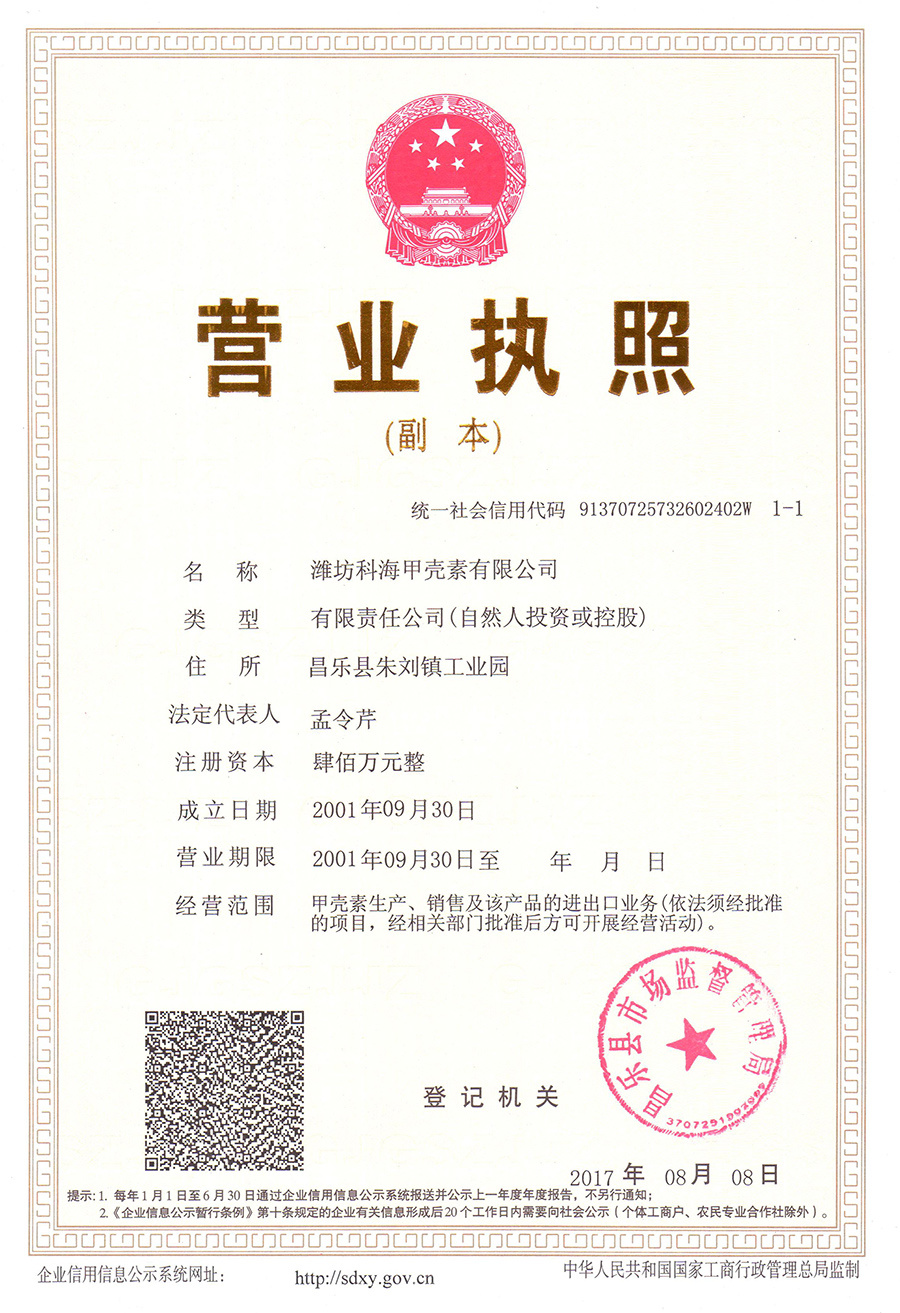
Weifang Kehai Chitosan Co., Ltd
Address: Zhuliu Industrial Park, Changle County, Weifang City, Shandong Province, China
General Manager: Ms Meng Ya
Mr. Meng: 86 13806497089
Ms Meng: 86 15563902222
Mr. Lee: 86 13011668883
Mail:kevinhbr888@gmail.com
General Manager: Ms Meng Ya
Mr. Meng: 86 13806497089
Ms Meng: 86 15563902222
Mr. Lee: 86 13011668883
Mail:kevinhbr888@gmail.com

QR CODE
MESSAGE