

Release time:
Table of Contents
1. Introduction: Harnessing the Power of Food Grade Chitin in Sustainable Farming Practices
2. Understanding Food Grade Chitin: An Overview
3. The Benefits of Food Grade Chitin in Sustainable Farming
4. Enhancing Soil Health with Chitin-Based Amendments
5. Boosting Plant Immunity and Disease Resistance with Chitin
6. Promoting Sustainable Pest Control Methods with Chitin
7. Supporting Environmental Sustainability through Chitin-Based Farming
8. Frequently Asked Questions (FAQs) about Food Grade Chitin in Sustainable Farming
9. Conclusion: Embracing Food Grade Chitin for a Sustainable Future in Agriculture
1. Introduction: Harnessing the Power of Food Grade Chitin in Sustainable Farming Practices
In today's rapidly evolving agricultural landscape, finding sustainable farming practices is of paramount importance. With the growing concerns over food security, soil health, and environmental impact, farmers and researchers are seeking innovative solutions to address these challenges. One such solution is the utilization of food grade chitin, a natural compound derived from the shells of crustaceans, insects, and fungi. This article delves into the role of food grade chitin in sustainable farming practices and explores its immense potential in enhancing crop health and environmental sustainability.
2. Understanding Food Grade Chitin: An Overview
Food grade chitin is a versatile and sustainable biopolymer that has gained recognition for its varied applications in multiple industries, including agriculture. Composed of long-chain polysaccharides, chitin acts as a structural component in the exoskeletons of insects, shells of crustaceans, and cell walls of fungi. Extracting chitin from these natural sources and converting it into a usable form offers numerous benefits for sustainable farming practices.
3. The Benefits of Food Grade Chitin in Sustainable Farming
3.1 Enhancing Soil Health with Chitin-Based Amendments
By incorporating chitin-based amendments into the soil, farmers can improve its physical structure, water-holding capacity, and nutrient retention. Chitin acts as a natural soil conditioner, enhancing microbial activity and promoting the growth of beneficial microorganisms. These microorganisms play a crucial role in nutrient cycling, suppressing harmful pathogens, and improving overall soil fertility.
3.2 Boosting Plant Immunity and Disease Resistance with Chitin
Chitin is also known for its ability to enhance plant immunity and disease resistance. When applied to seeds or as a foliar spray, chitin triggers the plant's defense mechanisms, stimulating the production of antimicrobial compounds and strengthening its natural immune response. This proactive approach minimizes the need for synthetic chemical treatments, reducing the environmental impact and promoting sustainable plant protection.
3.3 Promoting Sustainable Pest Control Methods with Chitin
In addition to its role in plant immunity, chitin can also be utilized as a sustainable pest control method. Chitin-based biopesticides derived from fungi and insects disrupt the life cycle of pests, reducing their populations without harming beneficial insects or contaminating the environment. By harnessing the power of chitin, farmers can combat pests effectively while minimizing the use of conventional chemical pesticides.
4. Enhancing Soil Health with Chitin-Based Amendments
To maximize the benefits of chitin in sustainable farming practices, it is crucial to understand its effects on soil health. Chitin-based amendments, such as chitosan, can improve soil structure by increasing aggregation and reducing erosion. These amendments also enhance the water-holding capacity of the soil, promoting proper moisture levels for optimal plant growth. Additionally, chitin stimulates the growth of beneficial soil microorganisms, enhancing nutrient cycling and improving overall soil fertility.
5. Boosting Plant Immunity and Disease Resistance with Chitin
Chitin plays a vital role in boosting plant immunity and disease resistance. When applied to seeds or plants, chitin triggers a defense response, activating the plant's immune system. This immune response leads to the production of antimicrobial compounds, strengthening the plant's resistance against diseases and pathogens. Furthermore, chitin promotes the growth of beneficial microorganisms in the rhizosphere, creating a symbiotic relationship that supports plant health and protection.
6. Promoting Sustainable Pest Control Methods with Chitin
In sustainable farming practices, the use of chitin-based biopesticides offers a natural and effective pest control method. These biopesticides contain chitinase enzymes that target pests' chitin-based exoskeleton, disrupting their development and life cycle. By selectively targeting pests, chitin-based biopesticides minimize the impact on beneficial insects and pollinators, ensuring a balanced and ecologically-friendly pest management approach.
7. Supporting Environmental Sustainability through Chitin-Based Farming
The utilization of food grade chitin in sustainable farming practices contributes significantly to environmental sustainability. By replacing synthetic chemicals with chitin-based alternatives, farmers can reduce the reliance on potentially harmful substances that may contaminate soil, water, and air. Additionally, chitin's biodegradability ensures that it does not persist in the environment, minimizing long-term ecological impact and promoting a more sustainable farming ecosystem.
8. Frequently Asked Questions (FAQs) about Food Grade Chitin in Sustainable Farming
Q1. What is food grade chitin, and how is it different from other types of chitin?
Q2. Can food grade chitin be used in organic farming?
Q3. Are there any potential risks or side effects associated with using chitin in farming?
Q4. How can chitin improve soil health and fertility?
Q5. Can chitin-based amendments replace synthetic fertilizers?
9. Conclusion: Embracing Food Grade Chitin for a Sustainable Future in Agriculture
In conclusion, the role of food grade chitin in sustainable farming practices cannot be overstated. From enhancing soil health and promoting plant immunity to supporting eco-friendly pest control methods, chitin offers a multitude of benefits for modern agriculture. By harnessing the power of this natural compound, farmers can embrace a more sustainable farming future, ensuring the health of both crops and the environment.
1. Introduction: Harnessing the Power of Food Grade Chitin in Sustainable Farming Practices
2. Understanding Food Grade Chitin: An Overview
3. The Benefits of Food Grade Chitin in Sustainable Farming
4. Enhancing Soil Health with Chitin-Based Amendments
5. Boosting Plant Immunity and Disease Resistance with Chitin
6. Promoting Sustainable Pest Control Methods with Chitin
7. Supporting Environmental Sustainability through Chitin-Based Farming
8. Frequently Asked Questions (FAQs) about Food Grade Chitin in Sustainable Farming
9. Conclusion: Embracing Food Grade Chitin for a Sustainable Future in Agriculture
1. Introduction: Harnessing the Power of Food Grade Chitin in Sustainable Farming Practices
In today's rapidly evolving agricultural landscape, finding sustainable farming practices is of paramount importance. With the growing concerns over food security, soil health, and environmental impact, farmers and researchers are seeking innovative solutions to address these challenges. One such solution is the utilization of food grade chitin, a natural compound derived from the shells of crustaceans, insects, and fungi. This article delves into the role of food grade chitin in sustainable farming practices and explores its immense potential in enhancing crop health and environmental sustainability.
2. Understanding Food Grade Chitin: An Overview
Food grade chitin is a versatile and sustainable biopolymer that has gained recognition for its varied applications in multiple industries, including agriculture. Composed of long-chain polysaccharides, chitin acts as a structural component in the exoskeletons of insects, shells of crustaceans, and cell walls of fungi. Extracting chitin from these natural sources and converting it into a usable form offers numerous benefits for sustainable farming practices.
3. The Benefits of Food Grade Chitin in Sustainable Farming
3.1 Enhancing Soil Health with Chitin-Based Amendments
By incorporating chitin-based amendments into the soil, farmers can improve its physical structure, water-holding capacity, and nutrient retention. Chitin acts as a natural soil conditioner, enhancing microbial activity and promoting the growth of beneficial microorganisms. These microorganisms play a crucial role in nutrient cycling, suppressing harmful pathogens, and improving overall soil fertility.
3.2 Boosting Plant Immunity and Disease Resistance with Chitin
Chitin is also known for its ability to enhance plant immunity and disease resistance. When applied to seeds or as a foliar spray, chitin triggers the plant's defense mechanisms, stimulating the production of antimicrobial compounds and strengthening its natural immune response. This proactive approach minimizes the need for synthetic chemical treatments, reducing the environmental impact and promoting sustainable plant protection.
3.3 Promoting Sustainable Pest Control Methods with Chitin
In addition to its role in plant immunity, chitin can also be utilized as a sustainable pest control method. Chitin-based biopesticides derived from fungi and insects disrupt the life cycle of pests, reducing their populations without harming beneficial insects or contaminating the environment. By harnessing the power of chitin, farmers can combat pests effectively while minimizing the use of conventional chemical pesticides.
4. Enhancing Soil Health with Chitin-Based Amendments
To maximize the benefits of chitin in sustainable farming practices, it is crucial to understand its effects on soil health. Chitin-based amendments, such as chitosan, can improve soil structure by increasing aggregation and reducing erosion. These amendments also enhance the water-holding capacity of the soil, promoting proper moisture levels for optimal plant growth. Additionally, chitin stimulates the growth of beneficial soil microorganisms, enhancing nutrient cycling and improving overall soil fertility.
5. Boosting Plant Immunity and Disease Resistance with Chitin
Chitin plays a vital role in boosting plant immunity and disease resistance. When applied to seeds or plants, chitin triggers a defense response, activating the plant's immune system. This immune response leads to the production of antimicrobial compounds, strengthening the plant's resistance against diseases and pathogens. Furthermore, chitin promotes the growth of beneficial microorganisms in the rhizosphere, creating a symbiotic relationship that supports plant health and protection.
6. Promoting Sustainable Pest Control Methods with Chitin
In sustainable farming practices, the use of chitin-based biopesticides offers a natural and effective pest control method. These biopesticides contain chitinase enzymes that target pests' chitin-based exoskeleton, disrupting their development and life cycle. By selectively targeting pests, chitin-based biopesticides minimize the impact on beneficial insects and pollinators, ensuring a balanced and ecologically-friendly pest management approach.
7. Supporting Environmental Sustainability through Chitin-Based Farming
The utilization of food grade chitin in sustainable farming practices contributes significantly to environmental sustainability. By replacing synthetic chemicals with chitin-based alternatives, farmers can reduce the reliance on potentially harmful substances that may contaminate soil, water, and air. Additionally, chitin's biodegradability ensures that it does not persist in the environment, minimizing long-term ecological impact and promoting a more sustainable farming ecosystem.
8. Frequently Asked Questions (FAQs) about Food Grade Chitin in Sustainable Farming
Q1. What is food grade chitin, and how is it different from other types of chitin?
Q2. Can food grade chitin be used in organic farming?
Q3. Are there any potential risks or side effects associated with using chitin in farming?
Q4. How can chitin improve soil health and fertility?
Q5. Can chitin-based amendments replace synthetic fertilizers?
9. Conclusion: Embracing Food Grade Chitin for a Sustainable Future in Agriculture
In conclusion, the role of food grade chitin in sustainable farming practices cannot be overstated. From enhancing soil health and promoting plant immunity to supporting eco-friendly pest control methods, chitin offers a multitude of benefits for modern agriculture. By harnessing the power of this natural compound, farmers can embrace a more sustainable farming future, ensuring the health of both crops and the environment.
Related
CONTACT US
language
English
العربية
বাংলাদেশ
Български
Hrvatski
Česky
Dansk
Nederland
 Esperanto
Slovenski
Filipino
Suomi
Français
Maori
 Shqiptare
Georgian
 Euskara
Deutsch
Ελλάδα
ישראל
इंडिया
Magyarország
Ísland
Indonesia
Irlanda
Italia
日本語
Sovensko
Հայաստան
한국
Kyrgyz
ປະເທດລາວ
 Zulu
Zulu
Latvian
Lithuanian
Luxembourgish
 Latinus
Macedonian
Малайская
Maltese
Монгол улс
 Cymraeg
ဗမာ
 தமிழ்
தமிழ்
नेपाल
Norge
ایران
Polska
Portugal
România
Российская
Србија
 Slovak
Србија
 Slovak
Bosanski
Slovenian
Беларус
España
Sverige
Точик
ประเทศไทย
Türk
Azərbaycan
Uzbek
 Afrikaans
Việt Nam
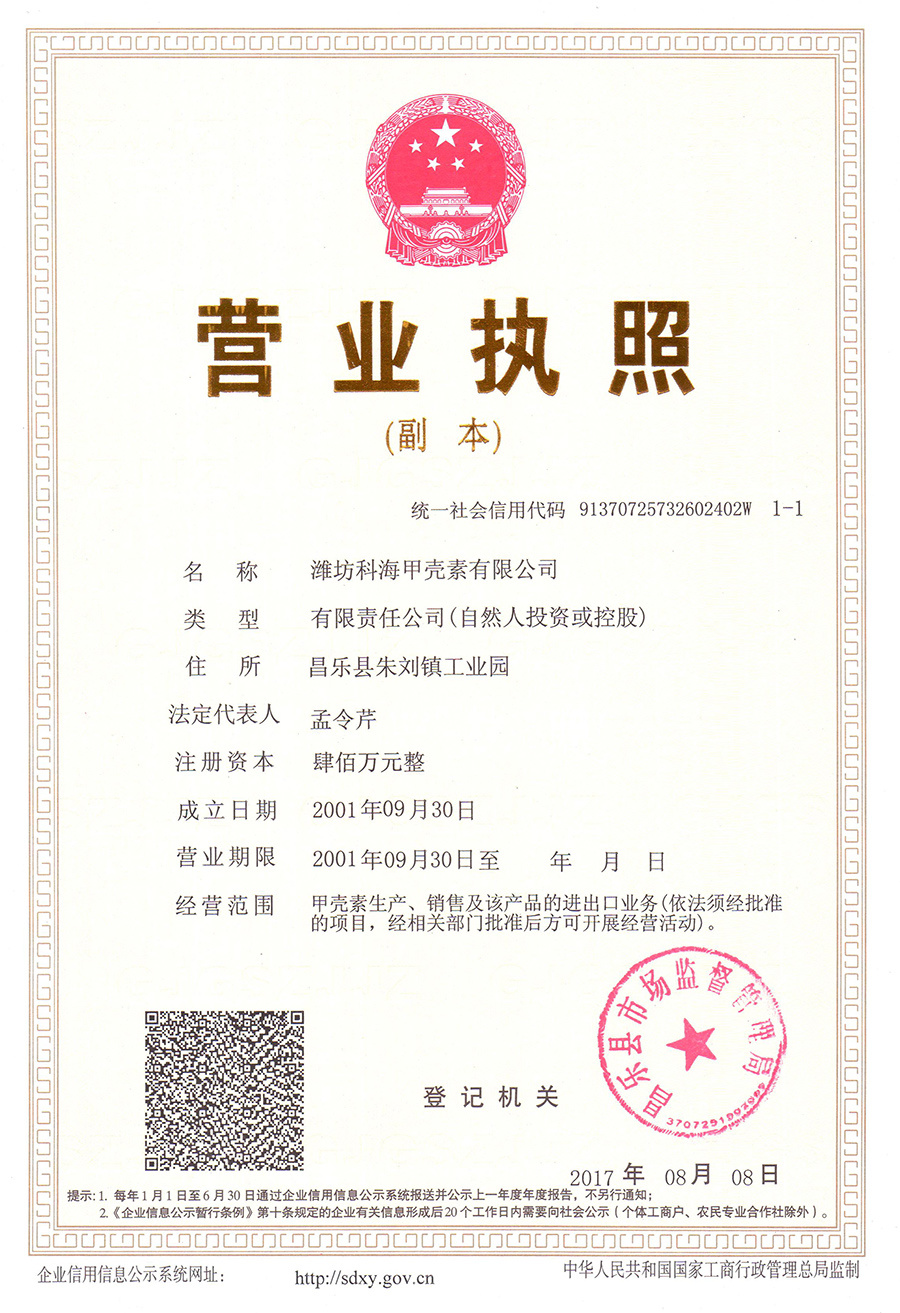
Weifang Kehai Chitosan Co., Ltd
Address: Zhuliu Industrial Park, Changle County, Weifang City, Shandong Province, China
General Manager: Ms Meng Ya
Mr. Meng: 86 13806497089
Ms Meng: 86 15563902222
Mr. Lee: 86 13011668883
Mail:kevinhbr888@gmail.com
General Manager: Ms Meng Ya
Mr. Meng: 86 13806497089
Ms Meng: 86 15563902222
Mr. Lee: 86 13011668883
Mail:kevinhbr888@gmail.com

QR CODE
MESSAGE