

Release time:
Table of Contents:
1. Introduction: Why Choose Granular Chitosan?
2. How Does Granular Chitosan Work?
3. The Benefits of Using Granular Chitosan in Agriculture
4. Enhancing Soil Health with Granular Chitosan
5. Boosting Nutrient Absorption for Healthier Crops
6. Protecting Crops with Granular Chitosan
7. Application Techniques for Granular Chitosan
8. Frequently Asked Questions (FAQs)
9. Conclusion
Granular chitosan is a natural biopolymer derived from the exoskeletons of shellfish, such as shrimp and crabs. It is processed into a fine granular powder that can be applied to crops to enhance their growth and overall health.
Unlike synthetic fertilizers and harsh chemicals, granular chitosan offers a sustainable and environmentally friendly alternative for promoting crop growth. It is biodegradable, non-toxic, and safe for both plants and humans. By choosing granular chitosan, you contribute to the preservation of our ecosystem.
Granular chitosan works by stimulating plant defense mechanisms and enhancing nutrient uptake. Its unique properties promote root development, strengthen plant cell walls, and activate the plant's natural defense against diseases and pests.
When applied to the soil, granular chitosan improves its structure and water-holding capacity. It acts as a natural conditioner, promoting microbial activity and enhancing nutrient availability for plants.
Granular chitosan offers a sustainable approach to crop growth, reducing the reliance on synthetic chemicals. It supports organic farming practices and helps maintain a healthy balance in ecosystems.
By strengthening the plant's immune system, granular chitosan enhances its resistance to diseases and pests. This reduces the need for chemical pesticides and promotes healthier plants.
Granular chitosan improves nutrient absorption by increasing the availability of essential minerals in the soil. This leads to improved plant growth, increased crop yields, and better overall nutrition.
Granular chitosan is biodegradable and does not pose a threat to the environment. It helps reduce the harmful effects of synthetic chemicals on soil, water, and surrounding ecosystems.
Granular chitosan acts as a soil conditioner, enhancing its structure and preventing compaction. This allows for better root penetration, improved aeration, and increased water retention.
The application of granular chitosan stimulates the growth of beneficial soil microorganisms. These microbes enhance nutrient cycling, breakdown organic matter, and improve overall soil fertility.
Granular chitosan chelates essential nutrients, making them more available to plants. This results in improved nutrient uptake, leading to healthier crops with improved vigor and resistance to stress.
Granular chitosan helps neutralize acidic or alkaline soils, creating an optimal pH range for nutrient absorption. This promotes balanced plant growth and prevents nutrient deficiencies.
Granular chitosan strengthens plant cell walls, making them more resistant to pathogen attacks. It also triggers the plant's natural defense mechanisms, boosting its ability to fight off diseases.
Applying granular chitosan to crops acts as a deterrent to various pests, including insects and nematodes. It creates a barrier that limits their access to plants, reducing crop damage and the need for chemical insecticides.
The appropriate application rate of granular chitosan depends on factors such as soil type, crop type, and desired results. Consult the product label or seek advice from agricultural experts for specific recommendations.
Granular chitosan can be applied directly to the soil during pre-planting or incorporated into irrigation systems for foliar application. Follow recommended guidelines for optimal results.
Granular chitosan is eco-friendly and does not harm the environment. It is a sustainable alternative to synthetic chemicals, ensuring the preservation of our ecosystems.
Yes, granular chitosan is suitable for organic farming. It complies with organic certification standards and supports the principles of sustainable agriculture.
Results may vary depending on crop type, soil conditions, and application methods. In general, noticeable improvements in plant growth and health can be observed within a few weeks to a month.
Granular chitosan complements the use of fertilizers by enhancing nutrient availability and uptake. It does not replace the need for fertilizers but can help optimize their effectiveness.
Granular chitosan is suitable for a wide range of crops, including fruits, vegetables, grains, and ornamental plants. It can be used in various agricultural settings to promote healthy crop growth.
Granular chitosan offers a natural, sustainable, and effective solution for boosting crop growth. By improving soil health, enhancing nutrient absorption, and protecting crops, it contributes to sustainable agriculture practices. Incorporating granular chitosan into your crop management strategies can lead to healthier plants, increased yields, and a more environmentally friendly approach to farming. Embrace the power of granular chitosan and witness the remarkable benefits it brings to your harvest.
1. Introduction: Why Choose Granular Chitosan?
2. How Does Granular Chitosan Work?
3. The Benefits of Using Granular Chitosan in Agriculture
4. Enhancing Soil Health with Granular Chitosan
5. Boosting Nutrient Absorption for Healthier Crops
6. Protecting Crops with Granular Chitosan
7. Application Techniques for Granular Chitosan
8. Frequently Asked Questions (FAQs)
9. Conclusion
1. Introduction: Why Choose Granular Chitosan?
What is Granular Chitosan?
Granular chitosan is a natural biopolymer derived from the exoskeletons of shellfish, such as shrimp and crabs. It is processed into a fine granular powder that can be applied to crops to enhance their growth and overall health.
Why Should You Choose Granular Chitosan?
Unlike synthetic fertilizers and harsh chemicals, granular chitosan offers a sustainable and environmentally friendly alternative for promoting crop growth. It is biodegradable, non-toxic, and safe for both plants and humans. By choosing granular chitosan, you contribute to the preservation of our ecosystem.
2. How Does Granular Chitosan Work?
Chitosan's Mode of Action
Granular chitosan works by stimulating plant defense mechanisms and enhancing nutrient uptake. Its unique properties promote root development, strengthen plant cell walls, and activate the plant's natural defense against diseases and pests.
Granular Chitosan as a Soil Amendment
When applied to the soil, granular chitosan improves its structure and water-holding capacity. It acts as a natural conditioner, promoting microbial activity and enhancing nutrient availability for plants.
3. The Benefits of Using Granular Chitosan in Agriculture
Sustainable Crop Growth
Granular chitosan offers a sustainable approach to crop growth, reducing the reliance on synthetic chemicals. It supports organic farming practices and helps maintain a healthy balance in ecosystems.
Improved Plant Health and Disease Resistance
By strengthening the plant's immune system, granular chitosan enhances its resistance to diseases and pests. This reduces the need for chemical pesticides and promotes healthier plants.
Enhanced Nutrient Absorption
Granular chitosan improves nutrient absorption by increasing the availability of essential minerals in the soil. This leads to improved plant growth, increased crop yields, and better overall nutrition.
Environmental Benefits
Granular chitosan is biodegradable and does not pose a threat to the environment. It helps reduce the harmful effects of synthetic chemicals on soil, water, and surrounding ecosystems.
4. Enhancing Soil Health with Granular Chitosan
Improving Soil Structure
Granular chitosan acts as a soil conditioner, enhancing its structure and preventing compaction. This allows for better root penetration, improved aeration, and increased water retention.
Promoting Beneficial Microbes
The application of granular chitosan stimulates the growth of beneficial soil microorganisms. These microbes enhance nutrient cycling, breakdown organic matter, and improve overall soil fertility.
5. Boosting Nutrient Absorption for Healthier Crops
Increasing Nutrient Availability
Granular chitosan chelates essential nutrients, making them more available to plants. This results in improved nutrient uptake, leading to healthier crops with improved vigor and resistance to stress.
Balancing Soil pH
Granular chitosan helps neutralize acidic or alkaline soils, creating an optimal pH range for nutrient absorption. This promotes balanced plant growth and prevents nutrient deficiencies.
6. Protecting Crops with Granular Chitosan
Reducing Disease Incidence
Granular chitosan strengthens plant cell walls, making them more resistant to pathogen attacks. It also triggers the plant's natural defense mechanisms, boosting its ability to fight off diseases.
Deterring Pests
Applying granular chitosan to crops acts as a deterrent to various pests, including insects and nematodes. It creates a barrier that limits their access to plants, reducing crop damage and the need for chemical insecticides.
7. Application Techniques for Granular Chitosan
Recommended Application Rates
The appropriate application rate of granular chitosan depends on factors such as soil type, crop type, and desired results. Consult the product label or seek advice from agricultural experts for specific recommendations.
Methods of Application
Granular chitosan can be applied directly to the soil during pre-planting or incorporated into irrigation systems for foliar application. Follow recommended guidelines for optimal results.
8. Frequently Asked Questions (FAQs)
1. Is granular chitosan safe for the environment?
Granular chitosan is eco-friendly and does not harm the environment. It is a sustainable alternative to synthetic chemicals, ensuring the preservation of our ecosystems.
2. Can granular chitosan be used in organic farming?
Yes, granular chitosan is suitable for organic farming. It complies with organic certification standards and supports the principles of sustainable agriculture.
3. How long does it take to see results after applying granular chitosan?
Results may vary depending on crop type, soil conditions, and application methods. In general, noticeable improvements in plant growth and health can be observed within a few weeks to a month.
4. Does granular chitosan replace the need for fertilizers?
Granular chitosan complements the use of fertilizers by enhancing nutrient availability and uptake. It does not replace the need for fertilizers but can help optimize their effectiveness.
5. Can granular chitosan be used on all types of crops?
Granular chitosan is suitable for a wide range of crops, including fruits, vegetables, grains, and ornamental plants. It can be used in various agricultural settings to promote healthy crop growth.
9. Conclusion
Granular chitosan offers a natural, sustainable, and effective solution for boosting crop growth. By improving soil health, enhancing nutrient absorption, and protecting crops, it contributes to sustainable agriculture practices. Incorporating granular chitosan into your crop management strategies can lead to healthier plants, increased yields, and a more environmentally friendly approach to farming. Embrace the power of granular chitosan and witness the remarkable benefits it brings to your harvest.
Related
CONTACT US
language
English
العربية
বাংলাদেশ
Български
Hrvatski
Česky
Dansk
Nederland
 Esperanto
Slovenski
Filipino
Suomi
Français
Maori
 Shqiptare
Georgian
 Euskara
Deutsch
Ελλάδα
ישראל
इंडिया
Magyarország
Ísland
Indonesia
Irlanda
Italia
日本語
Sovensko
Հայաստան
한국
Kyrgyz
ປະເທດລາວ
 Zulu
Zulu
Latvian
Lithuanian
Luxembourgish
 Latinus
Macedonian
Малайская
Maltese
Монгол улс
 Cymraeg
ဗမာ
 தமிழ்
தமிழ்
नेपाल
Norge
ایران
Polska
Portugal
România
Российская
Србија
 Slovak
Србија
 Slovak
Bosanski
Slovenian
Беларус
España
Sverige
Точик
ประเทศไทย
Türk
Azərbaycan
Uzbek
 Afrikaans
Việt Nam
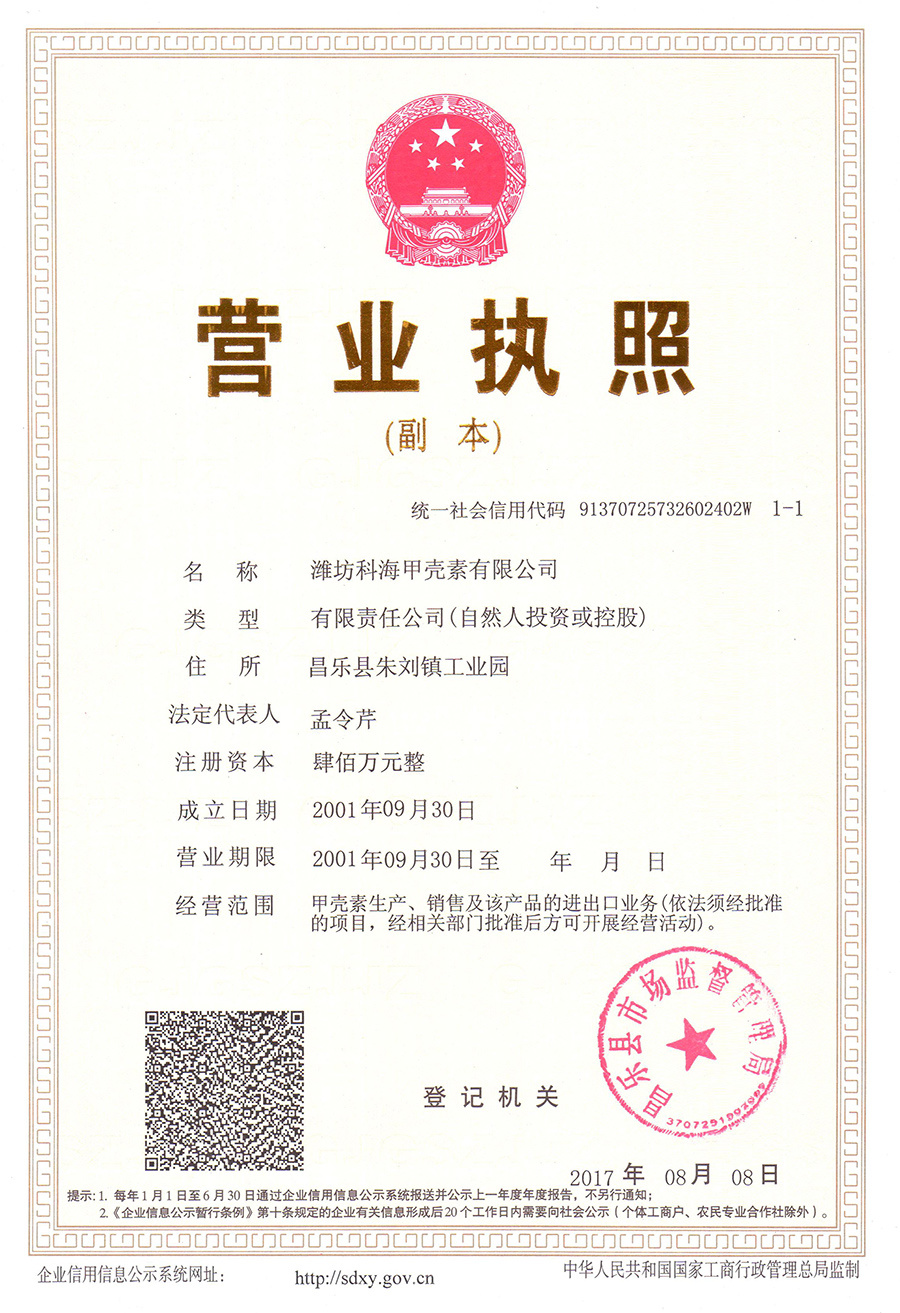
Weifang Kehai Chitosan Co., Ltd
Address: Zhuliu Industrial Park, Changle County, Weifang City, Shandong Province, China
General Manager: Ms Meng Ya
Mr. Meng: 86 13806497089
Ms Meng: 86 15563902222
Mr. Lee: 86 13011668883
Mail:kevinhbr888@gmail.com
General Manager: Ms Meng Ya
Mr. Meng: 86 13806497089
Ms Meng: 86 15563902222
Mr. Lee: 86 13011668883
Mail:kevinhbr888@gmail.com

QR CODE
MESSAGE