

Release time:
Table of Contents:
1. Introduction to Agriculture Grade Chitosan
2. Understanding Chitosan and its Agricultural Benefits
3. Enhancing Plant Resistance with Chitosan
4. Promoting Growth and Development
5. Chitosan as a Natural Pesticide and Fungicide
6. Applications of Agriculture Grade Chitosan
7. Frequently Asked Questions (FAQs)
8. Conclusion
Agriculture grade chitosan is a natural biopolymer derived from chitin, a compound found in the exoskeleton of crustaceans such as shrimp and crab. It has gained popularity in the agricultural industry due to its numerous benefits for plants, including improved resistance to diseases, pests, and environmental stressors. In this article, we will delve into the various applications and advantages of using agriculture grade chitosan in plant cultivation.
Chitosan is a versatile compound that possesses unique properties beneficial to plants. It acts as a biostimulant, enhancing plant growth and development by improving nutrient absorption, root growth, and overall plant vigor. Additionally, chitosan promotes the activation of the plant's natural defense mechanisms, leading to enhanced resistance against various pathogens.
- Boosts plant immune system: Chitosan activates the plant's defense responses, triggering the production of antimicrobial compounds and strengthening the plant's immune system against diseases.
- Increases plant resistance: By applying chitosan, plants develop a protective barrier that deters pests and pathogens, reducing the likelihood of infections and damage.
- Improves nutrient uptake: Chitosan enhances the plant's ability to absorb essential nutrients from the soil, leading to improved nutrient utilization and overall plant health.
- Enhances root development: Agriculture grade chitosan stimulates root growth, resulting in stronger and more efficient root systems that can access water and nutrients effectively.
Chitosan acts as a potent elicitor, triggering defense responses in plants that strengthen their resistance against diseases and pathogens. It induces the production of chitinases and glucanases, enzymes that break down the cell walls of pathogens and prevent their colonization. This helps plants fend off fungal infections, bacterial diseases, and viral attacks.
Additionally, chitosan enhances the production of phytoalexins, which are antimicrobial compounds that inhibit the growth of pathogens. This natural defense mechanism provides long-lasting protection for plants, reducing the reliance on chemical pesticides.
Agriculture grade chitosan stimulates plant growth by improving nutrient uptake and promoting root development. It enhances the activity of beneficial soil microorganisms, such as mycorrhizal fungi, which form symbiotic associations with plant roots, increasing nutrient availability and absorption.
Furthermore, chitosan aids in the regulation of plant hormones, such as auxins and cytokinins, which play vital roles in growth, flowering, and fruiting. By optimizing hormone levels, chitosan helps plants reach their full potential, resulting in healthier and more productive crops.
One of the key advantages of using agriculture grade chitosan is its pest and disease management properties. Chitosan acts as a natural pesticide and fungicide, effectively controlling a wide range of pests and diseases without harmful environmental impacts.
Its film-forming properties create a physical barrier on plant surfaces, preventing the entry of pathogens and reducing the incidence of infections. Additionally, chitosan inhibits the growth of fungal pathogens, such as powdery mildew and gray mold, by altering their cell membranes and interfering with their metabolic processes.
Agriculture grade chitosan can be applied in various ways to maximize its benefits for plant health and protection. It can be used as a foliar spray, seed treatment, or soil amendment, depending on the specific needs of the crop and its growth stage.
Furthermore, chitosan can be incorporated into hydroponic systems, organic farming practices, and greenhouse cultivation to enhance plant resistance and promote sustainable agriculture.
Yes, agriculture grade chitosan is non-toxic and biodegradable, making it an eco-friendly alternative to conventional pesticides and fungicides. It poses minimal risks to the environment, beneficial insects, and human health when used as recommended.
Absolutely! Chitosan is approved for use in organic farming and is considered a valuable tool for sustainable agriculture. Its natural origin and low environmental impact align with organic farming principles.
The frequency of chitosan application depends on various factors, including the crop, pest pressure, and growth stage. It is best to follow the manufacturer's recommendations and consult with agricultural experts for specific guidance.
Apart from its role in plant resistance, chitosan has been reported to improve post-harvest shelf life, enhance fruit quality, and increase drought tolerance in plants. Its multifunctional properties make it a valuable asset for modern agriculture.
Agriculture grade chitosan can be purchased from agricultural suppliers, online stores, or specialized distributors. It is important to choose a reputable source to ensure the quality and efficacy of the product.
In conclusion, agriculture grade chitosan offers numerous benefits for plant resistance, growth, and protection. Its ability to enhance plant immune responses, promote growth, and act as a natural pesticide and fungicide make it a valuable tool for modern agriculture.
By incorporating agriculture grade chitosan into farming practices, growers can improve plant health, increase yields, and reduce the reliance on chemical inputs. With its eco-friendly nature and multifunctional properties, chitosan paves the way for a more sustainable and resilient agricultural future.
1. Introduction to Agriculture Grade Chitosan
2. Understanding Chitosan and its Agricultural Benefits
3. Enhancing Plant Resistance with Chitosan
4. Promoting Growth and Development
5. Chitosan as a Natural Pesticide and Fungicide
6. Applications of Agriculture Grade Chitosan
7. Frequently Asked Questions (FAQs)
8. Conclusion
1. Introduction to Agriculture Grade Chitosan
Agriculture grade chitosan is a natural biopolymer derived from chitin, a compound found in the exoskeleton of crustaceans such as shrimp and crab. It has gained popularity in the agricultural industry due to its numerous benefits for plants, including improved resistance to diseases, pests, and environmental stressors. In this article, we will delve into the various applications and advantages of using agriculture grade chitosan in plant cultivation.
2. Understanding Chitosan and its Agricultural Benefits
Chitosan is a versatile compound that possesses unique properties beneficial to plants. It acts as a biostimulant, enhancing plant growth and development by improving nutrient absorption, root growth, and overall plant vigor. Additionally, chitosan promotes the activation of the plant's natural defense mechanisms, leading to enhanced resistance against various pathogens.
2.1 Benefits of Agriculture Grade Chitosan
- Boosts plant immune system: Chitosan activates the plant's defense responses, triggering the production of antimicrobial compounds and strengthening the plant's immune system against diseases.
- Increases plant resistance: By applying chitosan, plants develop a protective barrier that deters pests and pathogens, reducing the likelihood of infections and damage.
- Improves nutrient uptake: Chitosan enhances the plant's ability to absorb essential nutrients from the soil, leading to improved nutrient utilization and overall plant health.
- Enhances root development: Agriculture grade chitosan stimulates root growth, resulting in stronger and more efficient root systems that can access water and nutrients effectively.
3. Enhancing Plant Resistance with Chitosan
Chitosan acts as a potent elicitor, triggering defense responses in plants that strengthen their resistance against diseases and pathogens. It induces the production of chitinases and glucanases, enzymes that break down the cell walls of pathogens and prevent their colonization. This helps plants fend off fungal infections, bacterial diseases, and viral attacks.
Additionally, chitosan enhances the production of phytoalexins, which are antimicrobial compounds that inhibit the growth of pathogens. This natural defense mechanism provides long-lasting protection for plants, reducing the reliance on chemical pesticides.
4. Promoting Growth and Development
Agriculture grade chitosan stimulates plant growth by improving nutrient uptake and promoting root development. It enhances the activity of beneficial soil microorganisms, such as mycorrhizal fungi, which form symbiotic associations with plant roots, increasing nutrient availability and absorption.
Furthermore, chitosan aids in the regulation of plant hormones, such as auxins and cytokinins, which play vital roles in growth, flowering, and fruiting. By optimizing hormone levels, chitosan helps plants reach their full potential, resulting in healthier and more productive crops.
5. Chitosan as a Natural Pesticide and Fungicide
One of the key advantages of using agriculture grade chitosan is its pest and disease management properties. Chitosan acts as a natural pesticide and fungicide, effectively controlling a wide range of pests and diseases without harmful environmental impacts.
Its film-forming properties create a physical barrier on plant surfaces, preventing the entry of pathogens and reducing the incidence of infections. Additionally, chitosan inhibits the growth of fungal pathogens, such as powdery mildew and gray mold, by altering their cell membranes and interfering with their metabolic processes.
6. Applications of Agriculture Grade Chitosan
Agriculture grade chitosan can be applied in various ways to maximize its benefits for plant health and protection. It can be used as a foliar spray, seed treatment, or soil amendment, depending on the specific needs of the crop and its growth stage.
Furthermore, chitosan can be incorporated into hydroponic systems, organic farming practices, and greenhouse cultivation to enhance plant resistance and promote sustainable agriculture.
7. Frequently Asked Questions (FAQs)
Q1: Is chitosan safe for the environment and human health?
A:
Yes, agriculture grade chitosan is non-toxic and biodegradable, making it an eco-friendly alternative to conventional pesticides and fungicides. It poses minimal risks to the environment, beneficial insects, and human health when used as recommended.
Q2: Can chitosan be used in organic farming?
A:
Absolutely! Chitosan is approved for use in organic farming and is considered a valuable tool for sustainable agriculture. Its natural origin and low environmental impact align with organic farming principles.
Q3: How often should chitosan be applied to plants?
A:
The frequency of chitosan application depends on various factors, including the crop, pest pressure, and growth stage. It is best to follow the manufacturer's recommendations and consult with agricultural experts for specific guidance.
Q4: Does chitosan have any additional benefits for plants?
A:
Apart from its role in plant resistance, chitosan has been reported to improve post-harvest shelf life, enhance fruit quality, and increase drought tolerance in plants. Its multifunctional properties make it a valuable asset for modern agriculture.
Q5: Where can agriculture grade chitosan be obtained?
A:
Agriculture grade chitosan can be purchased from agricultural suppliers, online stores, or specialized distributors. It is important to choose a reputable source to ensure the quality and efficacy of the product.
8. Conclusion
In conclusion, agriculture grade chitosan offers numerous benefits for plant resistance, growth, and protection. Its ability to enhance plant immune responses, promote growth, and act as a natural pesticide and fungicide make it a valuable tool for modern agriculture.
By incorporating agriculture grade chitosan into farming practices, growers can improve plant health, increase yields, and reduce the reliance on chemical inputs. With its eco-friendly nature and multifunctional properties, chitosan paves the way for a more sustainable and resilient agricultural future.
Related
CONTACT US
language
English
العربية
বাংলাদেশ
Български
Hrvatski
Česky
Dansk
Nederland
 Esperanto
Slovenski
Filipino
Suomi
Français
Maori
 Shqiptare
Georgian
 Euskara
Deutsch
Ελλάδα
ישראל
इंडिया
Magyarország
Ísland
Indonesia
Irlanda
Italia
日本語
Sovensko
Հայաստան
한국
Kyrgyz
ປະເທດລາວ
 Zulu
Zulu
Latvian
Lithuanian
Luxembourgish
 Latinus
Macedonian
Малайская
Maltese
Монгол улс
 Cymraeg
ဗမာ
 தமிழ்
தமிழ்
नेपाल
Norge
ایران
Polska
Portugal
România
Российская
Србија
 Slovak
Србија
 Slovak
Bosanski
Slovenian
Беларус
España
Sverige
Точик
ประเทศไทย
Türk
Azərbaycan
Uzbek
 Afrikaans
Việt Nam
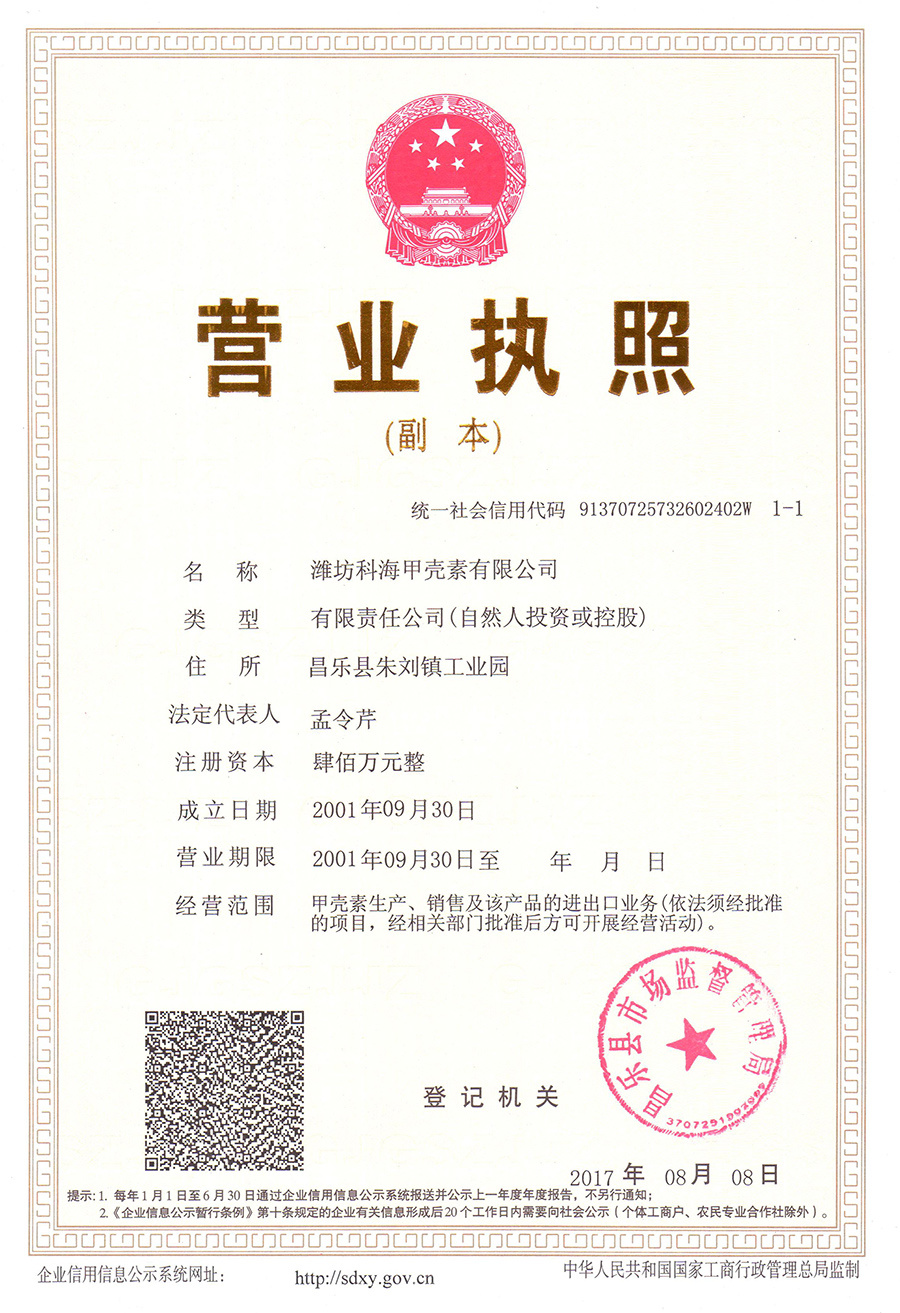
Weifang Kehai Chitosan Co., Ltd
Address: Zhuliu Industrial Park, Changle County, Weifang City, Shandong Province, China
General Manager: Ms Meng Ya
Mr. Meng: 86 13806497089
Ms Meng: 86 15563902222
Mr. Lee: 86 13011668883
Mail:kevinhbr888@gmail.com
General Manager: Ms Meng Ya
Mr. Meng: 86 13806497089
Ms Meng: 86 15563902222
Mr. Lee: 86 13011668883
Mail:kevinhbr888@gmail.com

QR CODE
MESSAGE