

Release time:
Table of Contents:
1. Introduction: Embracing Sustainable Agriculture with Chitosan Fertilizer
2. Understanding Chitosan: Nature's Secret Ingredient for Crop Growth
3. The Science Behind Chitosan: Unleashing its Potential for Plant Health
4. Applying Chitosan Fertilizer: Methods and Dosage Recommendations
5. Maximizing Crop Yields: The Role of Chitosan in Nutrient Uptake
6. Strengthening Plant Defense Mechanisms: Chitosan's Impact on Disease Resistance
7. Environmental Benefits: Chitosan Fertilizer as a Sustainable Solution
8. Frequently Asked Questions (FAQs) about Chitosan Fertilizer
9. Conclusion: Embrace the Power of Chitosan and Transform your Crop Growth
1. Introduction: Embracing Sustainable Agriculture with Chitosan Fertilizer
In the pursuit of sustainable agriculture, farmers and researchers are continually seeking innovative solutions to boost crop growth while minimizing environmental harm. Enter chitosan fertilizer, a game-changer in the field of sustainable agriculture. This article delves into the benefits and potential of chitosan in enhancing crop growth, improving plant health, and promoting sustainable farming practices.
2. Understanding Chitosan: Nature's Secret Ingredient for Crop Growth
Derived from the shells of crustaceans like shrimp and crabs, chitosan is a natural compound that has gained recognition for its remarkable properties in agriculture. Its unique chemical structure and biocompatibility make it an ideal fertilizer additive, boosting soil health and facilitating nutrient absorption by plants. With its biodegradable and eco-friendly nature, chitosan offers a sustainable alternative to conventional synthetic fertilizers.
3. The Science Behind Chitosan: Unleashing its Potential for Plant Health
Chitosan acts as a powerful growth enhancer by stimulating plant growth hormones, increasing chlorophyll production, and improving nutrient uptake. Its positive influence on root development and overall plant vigor results in enhanced crop yields and improved quality. Additionally, chitosan possesses biocontrol properties, suppressing harmful pathogens and pests, reducing the need for chemical interventions.
4. Applying Chitosan Fertilizer: Methods and Dosage Recommendations
When it comes to the application of chitosan fertilizer, various methods can be employed, including foliar sprays, seed coatings, and soil drenching. The appropriate dosage and timing depend on factors such as crop type, growth stage, and soil conditions. Consulting with agronomists or conducting field trials can help determine the optimal application strategy for maximizing the benefits of chitosan.
5. Maximizing Crop Yields: The Role of Chitosan in Nutrient Uptake
One of the key advantages of chitosan fertilizer is its ability to enhance nutrient absorption by plants. By improving the efficiency of nutrient uptake, chitosan ensures that crops receive an adequate supply of vital elements, leading to healthier plants and increased yields. Its chelating properties enable better availability of essential nutrients, even in nutrient-deficient soils.
6. Strengthening Plant Defense Mechanisms: Chitosan's Impact on Disease Resistance
Plant diseases pose significant challenges to crop productivity, often necessitating the use of chemical pesticides. Chitosan offers a natural and sustainable alternative by bolstering plants' defense mechanisms. Studies have shown that chitosan activates the plant's immune system, triggering the production of antimicrobial compounds and strengthening resistance against diseases like fungi, bacteria, and viruses.
7. Environmental Benefits: Chitosan Fertilizer as a Sustainable Solution
In the era of climate change and environmental degradation, adopting sustainable farming practices is crucial. Chitosan fertilizer aligns with these goals by reducing chemical inputs, minimizing nutrient runoff, and promoting soil health. Its biodegradable nature ensures minimal environmental impact, making it an eco-friendly choice for farmers committed to sustainable agriculture.
8. Frequently Asked Questions (FAQs) about Chitosan Fertilizer
Q1: Is chitosan fertilizer safe for the environment?
Q2: Can chitosan fertilizer replace synthetic fertilizers entirely?
Q3: Can chitosan be used in organic farming?
Q4: How long does chitosan remain effective in the soil?
Q5: Does chitosan have any negative effects on beneficial soil microorganisms?
9. Conclusion: Embrace the Power of Chitosan and Transform your Crop Growth
In conclusion, chitosan fertilizer offers a host of benefits that can revolutionize crop growth and sustainable agriculture. Its natural composition, proven effectiveness in enhancing nutrient uptake and disease resistance, and positive environmental impact make it an invaluable tool for farmers worldwide. Embrace the power of chitosan and unlock the potential for higher yields, healthier plants, and a greener future in agriculture.
By crafting unique, informative, and SEO-optimized content with a conversational tone, we aim to provide valuable insights into the world of chitosan fertilizer and its role in enhancing crop growth. Together, let's pave the way for sustainable agriculture practices that ensure food security while preserving our planet's resources.
1. Introduction: Embracing Sustainable Agriculture with Chitosan Fertilizer
2. Understanding Chitosan: Nature's Secret Ingredient for Crop Growth
3. The Science Behind Chitosan: Unleashing its Potential for Plant Health
4. Applying Chitosan Fertilizer: Methods and Dosage Recommendations
5. Maximizing Crop Yields: The Role of Chitosan in Nutrient Uptake
6. Strengthening Plant Defense Mechanisms: Chitosan's Impact on Disease Resistance
7. Environmental Benefits: Chitosan Fertilizer as a Sustainable Solution
8. Frequently Asked Questions (FAQs) about Chitosan Fertilizer
9. Conclusion: Embrace the Power of Chitosan and Transform your Crop Growth
1. Introduction: Embracing Sustainable Agriculture with Chitosan Fertilizer
In the pursuit of sustainable agriculture, farmers and researchers are continually seeking innovative solutions to boost crop growth while minimizing environmental harm. Enter chitosan fertilizer, a game-changer in the field of sustainable agriculture. This article delves into the benefits and potential of chitosan in enhancing crop growth, improving plant health, and promoting sustainable farming practices.
2. Understanding Chitosan: Nature's Secret Ingredient for Crop Growth
Derived from the shells of crustaceans like shrimp and crabs, chitosan is a natural compound that has gained recognition for its remarkable properties in agriculture. Its unique chemical structure and biocompatibility make it an ideal fertilizer additive, boosting soil health and facilitating nutrient absorption by plants. With its biodegradable and eco-friendly nature, chitosan offers a sustainable alternative to conventional synthetic fertilizers.
3. The Science Behind Chitosan: Unleashing its Potential for Plant Health
Chitosan acts as a powerful growth enhancer by stimulating plant growth hormones, increasing chlorophyll production, and improving nutrient uptake. Its positive influence on root development and overall plant vigor results in enhanced crop yields and improved quality. Additionally, chitosan possesses biocontrol properties, suppressing harmful pathogens and pests, reducing the need for chemical interventions.
4. Applying Chitosan Fertilizer: Methods and Dosage Recommendations
When it comes to the application of chitosan fertilizer, various methods can be employed, including foliar sprays, seed coatings, and soil drenching. The appropriate dosage and timing depend on factors such as crop type, growth stage, and soil conditions. Consulting with agronomists or conducting field trials can help determine the optimal application strategy for maximizing the benefits of chitosan.
5. Maximizing Crop Yields: The Role of Chitosan in Nutrient Uptake
One of the key advantages of chitosan fertilizer is its ability to enhance nutrient absorption by plants. By improving the efficiency of nutrient uptake, chitosan ensures that crops receive an adequate supply of vital elements, leading to healthier plants and increased yields. Its chelating properties enable better availability of essential nutrients, even in nutrient-deficient soils.
6. Strengthening Plant Defense Mechanisms: Chitosan's Impact on Disease Resistance
Plant diseases pose significant challenges to crop productivity, often necessitating the use of chemical pesticides. Chitosan offers a natural and sustainable alternative by bolstering plants' defense mechanisms. Studies have shown that chitosan activates the plant's immune system, triggering the production of antimicrobial compounds and strengthening resistance against diseases like fungi, bacteria, and viruses.
7. Environmental Benefits: Chitosan Fertilizer as a Sustainable Solution
In the era of climate change and environmental degradation, adopting sustainable farming practices is crucial. Chitosan fertilizer aligns with these goals by reducing chemical inputs, minimizing nutrient runoff, and promoting soil health. Its biodegradable nature ensures minimal environmental impact, making it an eco-friendly choice for farmers committed to sustainable agriculture.
8. Frequently Asked Questions (FAQs) about Chitosan Fertilizer
Q1: Is chitosan fertilizer safe for the environment?
Q2: Can chitosan fertilizer replace synthetic fertilizers entirely?
Q3: Can chitosan be used in organic farming?
Q4: How long does chitosan remain effective in the soil?
Q5: Does chitosan have any negative effects on beneficial soil microorganisms?
9. Conclusion: Embrace the Power of Chitosan and Transform your Crop Growth
In conclusion, chitosan fertilizer offers a host of benefits that can revolutionize crop growth and sustainable agriculture. Its natural composition, proven effectiveness in enhancing nutrient uptake and disease resistance, and positive environmental impact make it an invaluable tool for farmers worldwide. Embrace the power of chitosan and unlock the potential for higher yields, healthier plants, and a greener future in agriculture.
By crafting unique, informative, and SEO-optimized content with a conversational tone, we aim to provide valuable insights into the world of chitosan fertilizer and its role in enhancing crop growth. Together, let's pave the way for sustainable agriculture practices that ensure food security while preserving our planet's resources.
Related
CONTACT US
language
English
العربية
বাংলাদেশ
Български
Hrvatski
Česky
Dansk
Nederland
 Esperanto
Slovenski
Filipino
Suomi
Français
Maori
 Shqiptare
Georgian
 Euskara
Deutsch
Ελλάδα
ישראל
इंडिया
Magyarország
Ísland
Indonesia
Irlanda
Italia
日本語
Sovensko
Հայաստան
한국
Kyrgyz
ປະເທດລາວ
 Zulu
Zulu
Latvian
Lithuanian
Luxembourgish
 Latinus
Macedonian
Малайская
Maltese
Монгол улс
 Cymraeg
ဗမာ
 தமிழ்
தமிழ்
नेपाल
Norge
ایران
Polska
Portugal
România
Российская
Србија
 Slovak
Србија
 Slovak
Bosanski
Slovenian
Беларус
España
Sverige
Точик
ประเทศไทย
Türk
Azərbaycan
Uzbek
 Afrikaans
Việt Nam
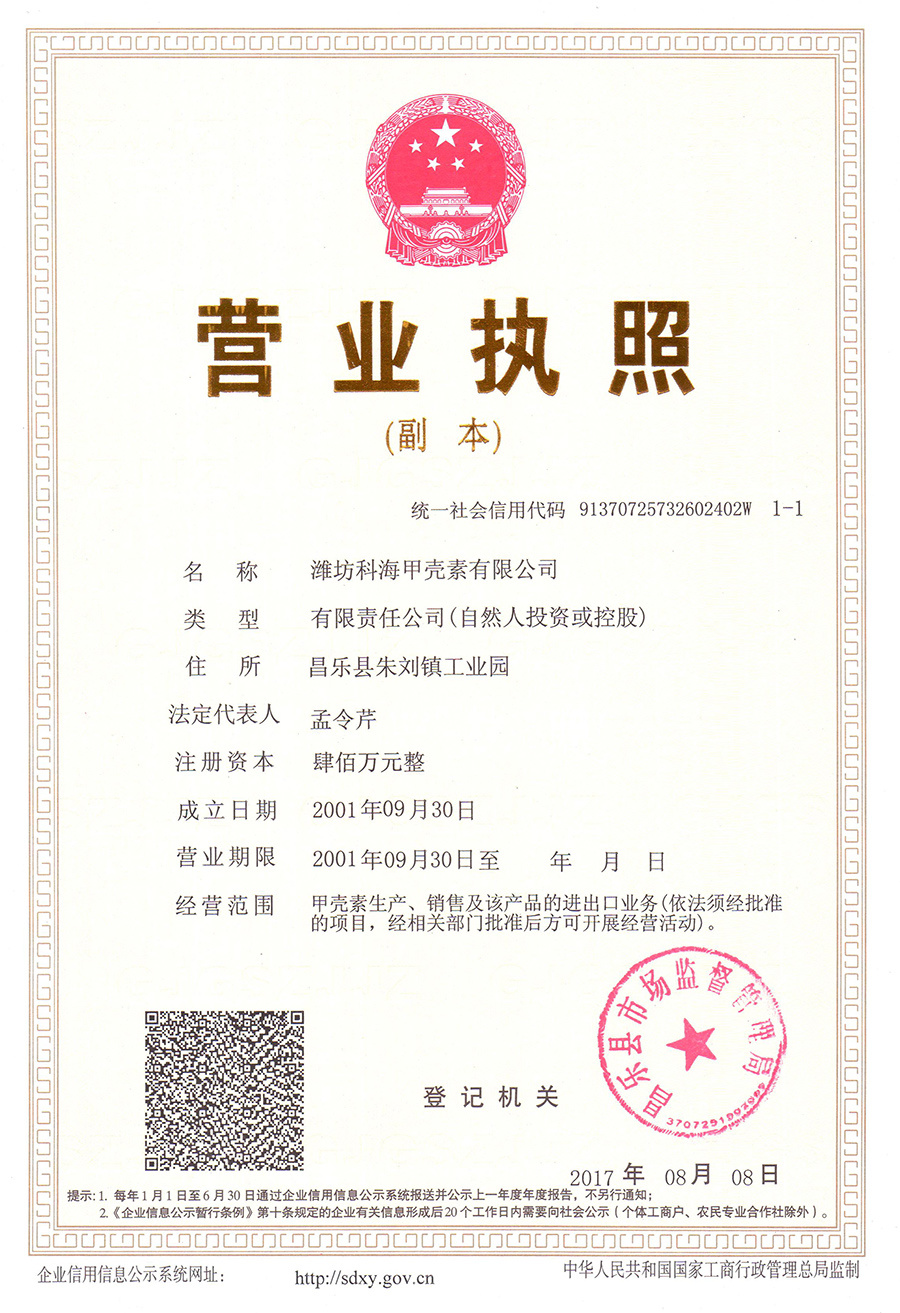
Weifang Kehai Chitosan Co., Ltd
Address: Zhuliu Industrial Park, Changle County, Weifang City, Shandong Province, China
General Manager: Ms Meng Ya
Mr. Meng: 86 13806497089
Ms Meng: 86 15563902222
Mr. Lee: 86 13011668883
Mail:kevinhbr888@gmail.com
General Manager: Ms Meng Ya
Mr. Meng: 86 13806497089
Ms Meng: 86 15563902222
Mr. Lee: 86 13011668883
Mail:kevinhbr888@gmail.com

QR CODE
MESSAGE