

Release time:
Table of Contents:
1. Introduction: What is Chitosan?
2. The Role of Chitosan as a Fertilizer Additive
3. Enhanced Nutrient Uptake and Absorption
4. Plant Disease Resistance and Pest Control
5. Improved Soil Structure and Water Retention
6. Enhanced Seed Germination and Root Development
7. Environmental Sustainability and Reduced Chemical Dependency
8. Frequently Asked Questions (FAQs)
9. Conclusion
1. Introduction: What is Chitosan?
Chitosan is a natural compound derived from the exoskeletons of crustaceans such as shrimp and crab. It is created by deacetylating chitin, the primary component of these exoskeletons. Chitosan is widely used in various industries due to its unique properties, including its biocompatibility, biodegradability, and non-toxic nature. In agriculture, chitosan has gained significant attention as a fertilizer additive, offering numerous benefits to both plants and the environment.
2. The Role of Chitosan as a Fertilizer Additive
Chitosan acts as a versatile fertilizer additive, enhancing the overall effectiveness of fertilizers and promoting plant growth. It works by improving nutrient uptake, boosting plant disease resistance, enhancing soil structure, and promoting seed germination. Additionally, chitosan reduces the reliance on synthetic chemicals, making it an environmentally-friendly choice for farmers.
3. Enhanced Nutrient Uptake and Absorption
Chitosan aids in the efficient uptake and absorption of essential nutrients by plants. It acts as a natural chelating agent, binding to nutrients and preventing their loss through leaching. By optimizing nutrient availability, chitosan ensures that plants receive a consistent and balanced supply of nutrients, leading to healthier and more productive crops.
4. Plant Disease Resistance and Pest Control
One of the remarkable benefits of using chitosan as a fertilizer additive is its ability to enhance plant disease resistance. Chitosan stimulates the plant's natural defense mechanisms, making it more resilient against fungal, bacterial, and viral infections. Moreover, it acts as a deterrent for pests, reducing the need for chemical pesticides and minimizing the environmental impact on beneficial insects.
5. Improved Soil Structure and Water Retention
Chitosan improves soil structure by enhancing its aggregation and stability. It promotes the formation of stable soil aggregates, preventing erosion and soil degradation. Additionally, chitosan has excellent water retention properties, reducing water loss through evaporation and improving soil moisture levels. This aids in drought resistance and ensures optimal hydration for plants.
6. Enhanced Seed Germination and Root Development
The application of chitosan as a fertilizer additive has shown significant improvements in seed germination rates and root development. Chitosan-treated seeds exhibit enhanced seedling vigor, leading to quicker and more uniform emergence. Furthermore, chitosan stimulates root growth and development, allowing plants to establish a robust root system for better nutrient absorption and anchorage.
7. Environmental Sustainability and Reduced Chemical Dependency
Chitosan offers a sustainable alternative to conventional farming practices that rely heavily on synthetic chemicals. By incorporating chitosan as a fertilizer additive, farmers can minimize the use of chemical fertilizers and pesticides, reducing the risk of environmental pollution. Additionally, chitosan is biodegradable and poses no long-term harm to the ecosystem, making it a safe and eco-friendly choice.
8. Frequently Asked Questions (FAQs)
Q1: Is chitosan safe for the environment?
Q2: Can chitosan be used with other fertilizers?
Q3: How often should chitosan be applied to crops?
Q4: What crops benefit the most from chitosan as a fertilizer additive?
Q5: Is chitosan suitable for organic farming practices?
9. Conclusion
Incorporating chitosan as a fertilizer additive offers a multitude of benefits to farmers and the environment. From enhanced nutrient uptake and disease resistance to improved soil structure and water retention, chitosan unlocks the full potential of crops while promoting sustainable agricultural practices. Embrace the power of chitosan and witness the remarkable transformation of your agricultural endeavors.
1. Introduction: What is Chitosan?
2. The Role of Chitosan as a Fertilizer Additive
3. Enhanced Nutrient Uptake and Absorption
4. Plant Disease Resistance and Pest Control
5. Improved Soil Structure and Water Retention
6. Enhanced Seed Germination and Root Development
7. Environmental Sustainability and Reduced Chemical Dependency
8. Frequently Asked Questions (FAQs)
9. Conclusion
1. Introduction: What is Chitosan?
Chitosan is a natural compound derived from the exoskeletons of crustaceans such as shrimp and crab. It is created by deacetylating chitin, the primary component of these exoskeletons. Chitosan is widely used in various industries due to its unique properties, including its biocompatibility, biodegradability, and non-toxic nature. In agriculture, chitosan has gained significant attention as a fertilizer additive, offering numerous benefits to both plants and the environment.
2. The Role of Chitosan as a Fertilizer Additive
Chitosan acts as a versatile fertilizer additive, enhancing the overall effectiveness of fertilizers and promoting plant growth. It works by improving nutrient uptake, boosting plant disease resistance, enhancing soil structure, and promoting seed germination. Additionally, chitosan reduces the reliance on synthetic chemicals, making it an environmentally-friendly choice for farmers.
3. Enhanced Nutrient Uptake and Absorption
Chitosan aids in the efficient uptake and absorption of essential nutrients by plants. It acts as a natural chelating agent, binding to nutrients and preventing their loss through leaching. By optimizing nutrient availability, chitosan ensures that plants receive a consistent and balanced supply of nutrients, leading to healthier and more productive crops.
4. Plant Disease Resistance and Pest Control
One of the remarkable benefits of using chitosan as a fertilizer additive is its ability to enhance plant disease resistance. Chitosan stimulates the plant's natural defense mechanisms, making it more resilient against fungal, bacterial, and viral infections. Moreover, it acts as a deterrent for pests, reducing the need for chemical pesticides and minimizing the environmental impact on beneficial insects.
5. Improved Soil Structure and Water Retention
Chitosan improves soil structure by enhancing its aggregation and stability. It promotes the formation of stable soil aggregates, preventing erosion and soil degradation. Additionally, chitosan has excellent water retention properties, reducing water loss through evaporation and improving soil moisture levels. This aids in drought resistance and ensures optimal hydration for plants.
6. Enhanced Seed Germination and Root Development
The application of chitosan as a fertilizer additive has shown significant improvements in seed germination rates and root development. Chitosan-treated seeds exhibit enhanced seedling vigor, leading to quicker and more uniform emergence. Furthermore, chitosan stimulates root growth and development, allowing plants to establish a robust root system for better nutrient absorption and anchorage.
7. Environmental Sustainability and Reduced Chemical Dependency
Chitosan offers a sustainable alternative to conventional farming practices that rely heavily on synthetic chemicals. By incorporating chitosan as a fertilizer additive, farmers can minimize the use of chemical fertilizers and pesticides, reducing the risk of environmental pollution. Additionally, chitosan is biodegradable and poses no long-term harm to the ecosystem, making it a safe and eco-friendly choice.
8. Frequently Asked Questions (FAQs)
Q1: Is chitosan safe for the environment?
Q2: Can chitosan be used with other fertilizers?
Q3: How often should chitosan be applied to crops?
Q4: What crops benefit the most from chitosan as a fertilizer additive?
Q5: Is chitosan suitable for organic farming practices?
9. Conclusion
Incorporating chitosan as a fertilizer additive offers a multitude of benefits to farmers and the environment. From enhanced nutrient uptake and disease resistance to improved soil structure and water retention, chitosan unlocks the full potential of crops while promoting sustainable agricultural practices. Embrace the power of chitosan and witness the remarkable transformation of your agricultural endeavors.
Related
CONTACT US
language
English
العربية
বাংলাদেশ
Български
Hrvatski
Česky
Dansk
Nederland
 Esperanto
Slovenski
Filipino
Suomi
Français
Maori
 Shqiptare
Georgian
 Euskara
Deutsch
Ελλάδα
ישראל
इंडिया
Magyarország
Ísland
Indonesia
Irlanda
Italia
日本語
Sovensko
Հայաստան
한국
Kyrgyz
ປະເທດລາວ
 Zulu
Zulu
Latvian
Lithuanian
Luxembourgish
 Latinus
Macedonian
Малайская
Maltese
Монгол улс
 Cymraeg
ဗမာ
 தமிழ்
தமிழ்
नेपाल
Norge
ایران
Polska
Portugal
România
Российская
Србија
 Slovak
Србија
 Slovak
Bosanski
Slovenian
Беларус
España
Sverige
Точик
ประเทศไทย
Türk
Azərbaycan
Uzbek
 Afrikaans
Việt Nam
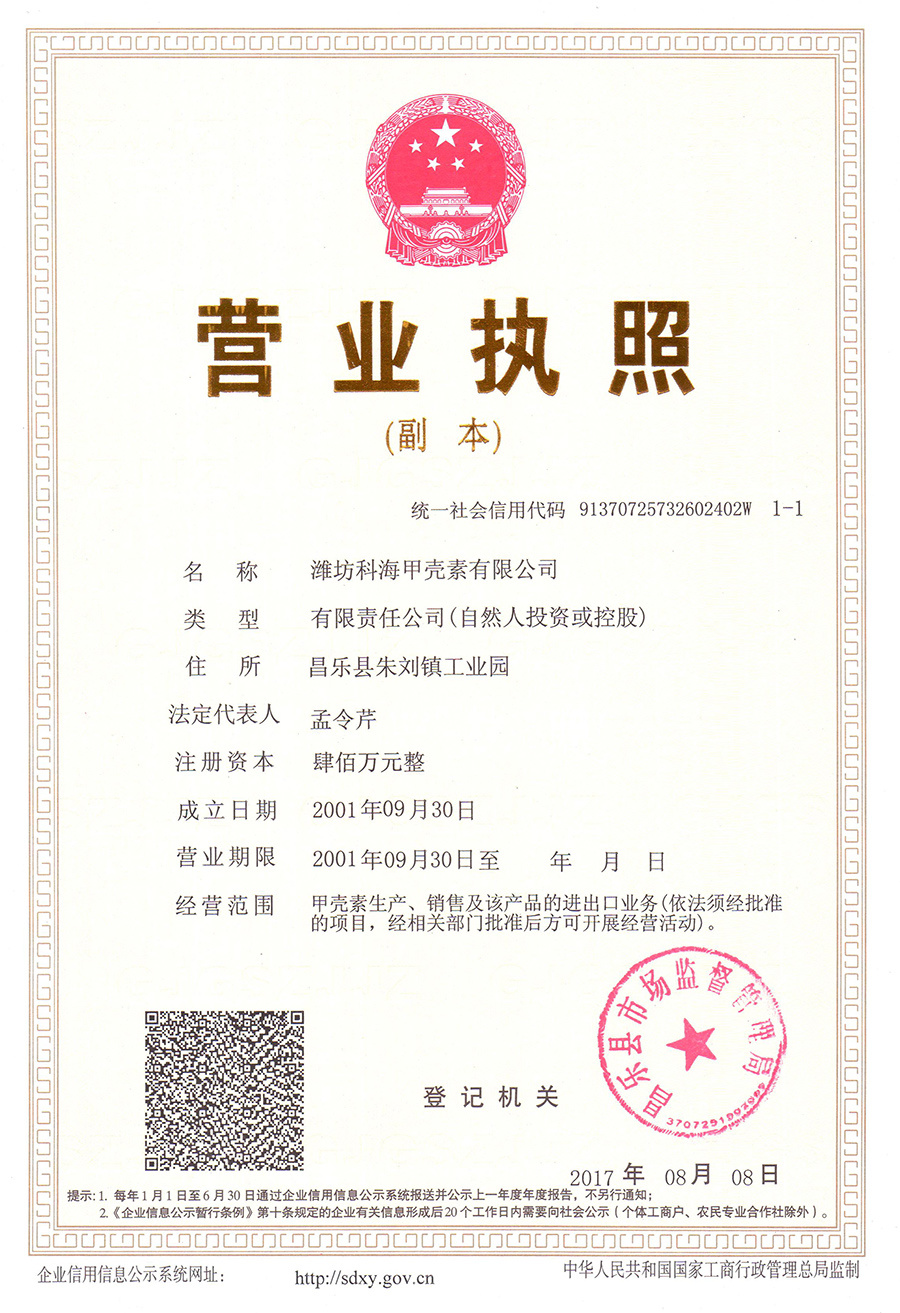
Weifang Kehai Chitosan Co., Ltd
Address: Zhuliu Industrial Park, Changle County, Weifang City, Shandong Province, China
General Manager: Ms Meng Ya
Mr. Meng: 86 13806497089
Ms Meng: 86 15563902222
Mr. Lee: 86 13011668883
Mail:kevinhbr888@gmail.com
General Manager: Ms Meng Ya
Mr. Meng: 86 13806497089
Ms Meng: 86 15563902222
Mr. Lee: 86 13011668883
Mail:kevinhbr888@gmail.com

QR CODE
MESSAGE