

Release time:
Table of Contents:
1. Introduction: Understanding the Importance of Food Safety
2. Chitosan Food Grade: An Overview
3. The Properties of Chitosan Food Grade
4. Applications of Chitosan Food Grade in Food Safety
5. Benefits of Using Chitosan Food Grade in the Food Industry
6. Frequently Asked Questions (FAQs)
7. Conclusion
1. Introduction: Understanding the Importance of Food Safety
Food safety is a critical aspect of the food industry. Ensuring that the food we consume is free from contaminants and harmful microorganisms is vital for the well-being and health of consumers. In recent years, food manufacturers have been exploring innovative ways to enhance food safety. One such solution is Chitosan Food Grade, a natural substance derived from chitin found in the exoskeletons of crustaceans like shrimp and crabs.
2. Chitosan Food Grade: An Overview
Chitosan Food Grade is a biopolymer that possesses antimicrobial properties, making it an excellent choice for improving food safety. It is widely used in the food industry as a natural additive to prevent the growth of bacteria, fungi, and other pathogens. This versatile substance has gained popularity due to its eco-friendly nature and its ability to extend the shelf life of various food products.
3. The Properties of Chitosan Food Grade
Chitosan Food Grade exhibits several unique properties that make it ideal for enhancing food safety. Firstly, it has a positive charge, which enables it to bind to negatively charged surfaces, such as the cell walls of bacteria and fungi. This binding action disrupts their cellular structure and inhibits their growth. Secondly, Chitosan Food Grade forms a protective film on food surfaces, acting as a barrier against external contaminants. Lastly, it is biodegradable and non-toxic, making it a safe and sustainable choice for food applications.
4. Applications of Chitosan Food Grade in Food Safety
Chitosan Food Grade finds numerous applications in the food industry to enhance food safety. It can be used as a natural preservative in meat and seafood products, preventing spoilage and extending their shelf life. Additionally, it is utilized as a coating for fruits and vegetables, forming a protective layer that inhibits the growth of bacteria and reduces post-harvest losses. Chitosan Food Grade is also employed in food packaging materials to provide an extra layer of protection against microbial contamination.
5. Benefits of Using Chitosan Food Grade in the Food Industry
The utilization of Chitosan Food Grade offers several benefits in terms of food safety. Firstly, it provides a natural alternative to synthetic preservatives, addressing consumer demands for clean-label products. Its antimicrobial properties effectively control the growth of pathogens, reducing the risk of foodborne illnesses. Moreover, Chitosan Food Grade helps minimize food waste by extending the shelf life of perishable goods, contributing to a more sustainable food supply chain.
6. Frequently Asked Questions (FAQs)
Q1: Is Chitosan Food Grade safe for consumption?
Q2: Can Chitosan Food Grade be used in organic food production?
Q3: How does Chitosan Food Grade compare to chemical preservatives?
Q4: Are there any known allergenic risks associated with Chitosan Food Grade?
Q5: Can Chitosan Food Grade be used in beverages?
7. Conclusion
In conclusion, Chitosan Food Grade offers a promising solution for enhancing food safety in the food industry. Its unique properties and applications make it a valuable tool in preventing the growth of harmful microorganisms and extending the shelf life of various food products. As consumer demand for safer and more sustainable food options continues to rise, Chitosan Food Grade stands as a natural and effective choice for ensuring food safety. Embracing this innovative additive can contribute to a healthier and more secure food supply chain.
1. Introduction: Understanding the Importance of Food Safety
2. Chitosan Food Grade: An Overview
3. The Properties of Chitosan Food Grade
4. Applications of Chitosan Food Grade in Food Safety
5. Benefits of Using Chitosan Food Grade in the Food Industry
6. Frequently Asked Questions (FAQs)
7. Conclusion
1. Introduction: Understanding the Importance of Food Safety
Food safety is a critical aspect of the food industry. Ensuring that the food we consume is free from contaminants and harmful microorganisms is vital for the well-being and health of consumers. In recent years, food manufacturers have been exploring innovative ways to enhance food safety. One such solution is Chitosan Food Grade, a natural substance derived from chitin found in the exoskeletons of crustaceans like shrimp and crabs.
2. Chitosan Food Grade: An Overview
Chitosan Food Grade is a biopolymer that possesses antimicrobial properties, making it an excellent choice for improving food safety. It is widely used in the food industry as a natural additive to prevent the growth of bacteria, fungi, and other pathogens. This versatile substance has gained popularity due to its eco-friendly nature and its ability to extend the shelf life of various food products.
3. The Properties of Chitosan Food Grade
Chitosan Food Grade exhibits several unique properties that make it ideal for enhancing food safety. Firstly, it has a positive charge, which enables it to bind to negatively charged surfaces, such as the cell walls of bacteria and fungi. This binding action disrupts their cellular structure and inhibits their growth. Secondly, Chitosan Food Grade forms a protective film on food surfaces, acting as a barrier against external contaminants. Lastly, it is biodegradable and non-toxic, making it a safe and sustainable choice for food applications.
4. Applications of Chitosan Food Grade in Food Safety
Chitosan Food Grade finds numerous applications in the food industry to enhance food safety. It can be used as a natural preservative in meat and seafood products, preventing spoilage and extending their shelf life. Additionally, it is utilized as a coating for fruits and vegetables, forming a protective layer that inhibits the growth of bacteria and reduces post-harvest losses. Chitosan Food Grade is also employed in food packaging materials to provide an extra layer of protection against microbial contamination.
5. Benefits of Using Chitosan Food Grade in the Food Industry
The utilization of Chitosan Food Grade offers several benefits in terms of food safety. Firstly, it provides a natural alternative to synthetic preservatives, addressing consumer demands for clean-label products. Its antimicrobial properties effectively control the growth of pathogens, reducing the risk of foodborne illnesses. Moreover, Chitosan Food Grade helps minimize food waste by extending the shelf life of perishable goods, contributing to a more sustainable food supply chain.
6. Frequently Asked Questions (FAQs)
Q1: Is Chitosan Food Grade safe for consumption?
Q2: Can Chitosan Food Grade be used in organic food production?
Q3: How does Chitosan Food Grade compare to chemical preservatives?
Q4: Are there any known allergenic risks associated with Chitosan Food Grade?
Q5: Can Chitosan Food Grade be used in beverages?
7. Conclusion
In conclusion, Chitosan Food Grade offers a promising solution for enhancing food safety in the food industry. Its unique properties and applications make it a valuable tool in preventing the growth of harmful microorganisms and extending the shelf life of various food products. As consumer demand for safer and more sustainable food options continues to rise, Chitosan Food Grade stands as a natural and effective choice for ensuring food safety. Embracing this innovative additive can contribute to a healthier and more secure food supply chain.
Related
CONTACT US
language
English
العربية
বাংলাদেশ
Български
Hrvatski
Česky
Dansk
Nederland
 Esperanto
Slovenski
Filipino
Suomi
Français
Maori
 Shqiptare
Georgian
 Euskara
Deutsch
Ελλάδα
ישראל
इंडिया
Magyarország
Ísland
Indonesia
Irlanda
Italia
日本語
Sovensko
Հայաստան
한국
Kyrgyz
ປະເທດລາວ
 Zulu
Zulu
Latvian
Lithuanian
Luxembourgish
 Latinus
Macedonian
Малайская
Maltese
Монгол улс
 Cymraeg
ဗမာ
 தமிழ்
தமிழ்
नेपाल
Norge
ایران
Polska
Portugal
România
Российская
Србија
 Slovak
Србија
 Slovak
Bosanski
Slovenian
Беларус
España
Sverige
Точик
ประเทศไทย
Türk
Azərbaycan
Uzbek
 Afrikaans
Việt Nam
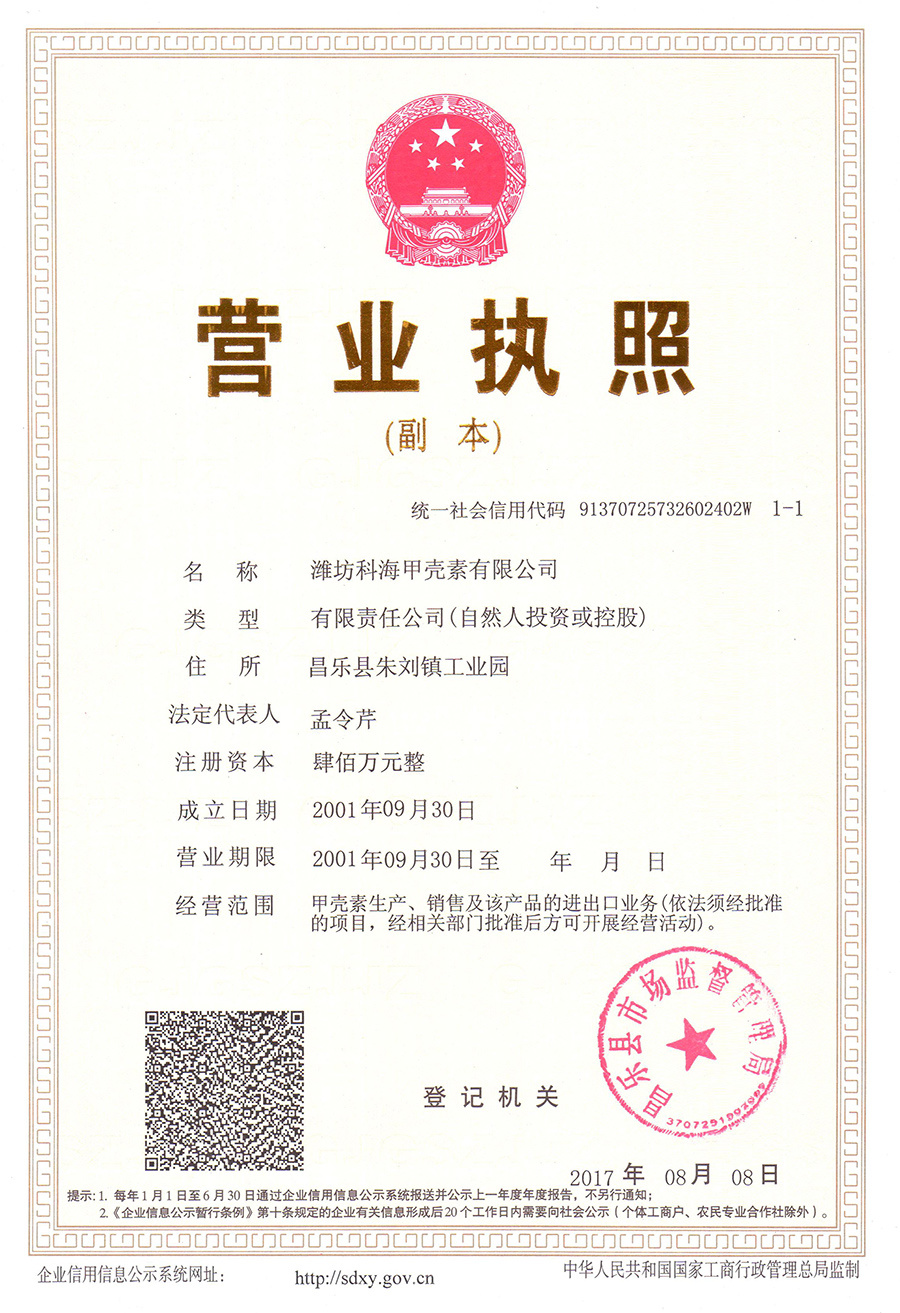
Weifang Kehai Chitosan Co., Ltd
Address: Zhuliu Industrial Park, Changle County, Weifang City, Shandong Province, China
General Manager: Ms Meng Ya
Mr. Meng: 86 13806497089
Ms Meng: 86 15563902222
Mr. Lee: 86 13011668883
Mail:kevinhbr888@gmail.com
General Manager: Ms Meng Ya
Mr. Meng: 86 13806497089
Ms Meng: 86 15563902222
Mr. Lee: 86 13011668883
Mail:kevinhbr888@gmail.com

QR CODE
MESSAGE