

Release time:
Table of Contents
1. Introduction: Understanding the Importance of Plant Immunity
2. What is Food Grade Chitin?
3. How Food Grade Chitin Boosts Plant Immunity
4. The Science behind Food Grade Chitin's Effectiveness
5. Application of Food Grade Chitin in Agriculture
6. Guidelines for Using Food Grade Chitin in Crop Production
7. Frequently Asked Questions about Food Grade Chitin and Plant Immunity
8. Conclusion: Unlock the Potential of Food Grade Chitin for Healthier Plants
In the world of agriculture, maintaining healthy crops is crucial for sustainable and profitable farming. Just like humans, plants face various challenges such as pests, diseases, and environmental stressors that can hinder their growth and productivity. This is where plant immunity plays a vital role. By strengthening their immune systems, plants can better defend themselves against harmful pathogens and stressors, resulting in improved overall health and yield.
Food grade chitin is a natural polymer derived from the shells of crustaceans such as crabs, shrimps, and lobsters. It is widely recognized for its biocompatible and biodegradable properties, making it an excellent choice for agricultural applications. As a plant immunity booster, food grade chitin provides a wide range of benefits, including enhanced disease resistance, improved nutrient uptake, and increased plant vigor.
Food grade chitin works by stimulating the plants' natural defense mechanisms, triggering a cascade of immune responses. When applied to plants, chitin activates specific genes responsible for producing defense-related proteins and enzymes. These proteins and enzymes strengthen the plants' immune system, making them more resistant to diseases, pests, and environmental stress.
Additionally, food grade chitin acts as a physical barrier on the plant's surface, preventing the entry and colonization of pathogens. It also enhances the production of antimicrobial compounds, further inhibiting the growth of harmful microorganisms. By boosting plant immunity, food grade chitin helps plants stay healthier and better equipped to withstand unfavorable conditions.
Extensive research has been conducted to uncover the mechanisms behind food grade chitin's effectiveness in boosting plant immunity. Studies have shown that chitin receptors in plants recognize the presence of chitin fragments, triggering immune responses. This recognition leads to the activation of various defense pathways, including the production of reactive oxygen species (ROS), phytohormones, and antimicrobial compounds.
Furthermore, food grade chitin promotes the beneficial interactions between plants and beneficial microorganisms, such as mycorrhizal fungi and rhizobia. These symbiotic relationships enhance nutrient uptake, root development, and overall plant health. The combined effects of these mechanisms contribute to improved plant immunity and increased crop productivity.
The application of food grade chitin in agriculture offers numerous advantages for farmers and growers. It can be used in various forms, including foliar sprays, seed treatments, and soil amendments. When incorporated into crop production practices, food grade chitin helps improve plant growth, control diseases, and reduce the need for synthetic pesticides.
Moreover, food grade chitin is eco-friendly and poses minimal risks to human health and the environment. Its biodegradable nature ensures that it does not persist in the ecosystem, making it a sustainable choice for plant immunity enhancement.
To maximize the benefits of food grade chitin, it is essential to follow proper guidelines for its application. Here are some key considerations:
6.1. Timing: Apply food grade chitin at the appropriate stage of plant development to ensure optimal plant response and immune system activation.
6.2. Dosage: Follow recommended dosage rates for food grade chitin based on crop type, growth stage, and disease pressure.
6.3. Application Methods: Choose the most suitable application method, such as foliar spray, seed treatment, or soil amendment, depending on the target crop and desired outcomes.
6.4. Compatibility: Ensure compatibility with other agricultural inputs, such as fertilizers and pesticides, to avoid potential interactions that may reduce efficacy.
6.5. Integrated Pest Management: Incorporate food grade chitin into an integrated pest management strategy to achieve sustainable pest and disease control.
Q1: Is food grade chitin safe for human consumption?
A1: Yes, food grade chitin is considered safe for human consumption. It is commonly used in the food industry as a thickening agent and dietary fiber.
Q2: Can food grade chitin be used in organic farming?
A2: Absolutely! Food grade chitin is approved for use in organic farming as it is a natural and environmentally friendly ingredient.
Q3: How long does food grade chitin remain effective on plants?
A3: The effectiveness of food grade chitin can vary depending on environmental conditions and the specific crop. However, its protective effects can last for several weeks after application.
Q4: Does food grade chitin have any impact on soil health?
A4: Food grade chitin can benefit soil health by promoting the growth of beneficial microorganisms and improving nutrient cycling.
Q5: Can food grade chitin be used on all types of crops?
A5: Food grade chitin is suitable for use on a wide range of crops, including fruits, vegetables, grains, and ornamental plants.
In conclusion, food grade chitin offers a powerful solution for boosting plant immunity and enhancing crop health. Its ability to activate plant defense mechanisms, inhibit pathogen growth, and improve nutrient uptake makes it a valuable tool for farmers and growers. By incorporating food grade chitin into agricultural practices, you can unlock the potential of your plants, leading to increased yields, improved quality, and a more sustainable farming future. Embrace the benefits of food grade chitin and give your crops the immunity boost they need for thriving success.
1. Introduction: Understanding the Importance of Plant Immunity
2. What is Food Grade Chitin?
3. How Food Grade Chitin Boosts Plant Immunity
4. The Science behind Food Grade Chitin's Effectiveness
5. Application of Food Grade Chitin in Agriculture
6. Guidelines for Using Food Grade Chitin in Crop Production
7. Frequently Asked Questions about Food Grade Chitin and Plant Immunity
8. Conclusion: Unlock the Potential of Food Grade Chitin for Healthier Plants
1. Introduction: Understanding the Importance of Plant Immunity
In the world of agriculture, maintaining healthy crops is crucial for sustainable and profitable farming. Just like humans, plants face various challenges such as pests, diseases, and environmental stressors that can hinder their growth and productivity. This is where plant immunity plays a vital role. By strengthening their immune systems, plants can better defend themselves against harmful pathogens and stressors, resulting in improved overall health and yield.
2. What is Food Grade Chitin?
Food grade chitin is a natural polymer derived from the shells of crustaceans such as crabs, shrimps, and lobsters. It is widely recognized for its biocompatible and biodegradable properties, making it an excellent choice for agricultural applications. As a plant immunity booster, food grade chitin provides a wide range of benefits, including enhanced disease resistance, improved nutrient uptake, and increased plant vigor.
3. How Food Grade Chitin Boosts Plant Immunity
Food grade chitin works by stimulating the plants' natural defense mechanisms, triggering a cascade of immune responses. When applied to plants, chitin activates specific genes responsible for producing defense-related proteins and enzymes. These proteins and enzymes strengthen the plants' immune system, making them more resistant to diseases, pests, and environmental stress.
Additionally, food grade chitin acts as a physical barrier on the plant's surface, preventing the entry and colonization of pathogens. It also enhances the production of antimicrobial compounds, further inhibiting the growth of harmful microorganisms. By boosting plant immunity, food grade chitin helps plants stay healthier and better equipped to withstand unfavorable conditions.
4. The Science behind Food Grade Chitin's Effectiveness
Extensive research has been conducted to uncover the mechanisms behind food grade chitin's effectiveness in boosting plant immunity. Studies have shown that chitin receptors in plants recognize the presence of chitin fragments, triggering immune responses. This recognition leads to the activation of various defense pathways, including the production of reactive oxygen species (ROS), phytohormones, and antimicrobial compounds.
Furthermore, food grade chitin promotes the beneficial interactions between plants and beneficial microorganisms, such as mycorrhizal fungi and rhizobia. These symbiotic relationships enhance nutrient uptake, root development, and overall plant health. The combined effects of these mechanisms contribute to improved plant immunity and increased crop productivity.
5. Application of Food Grade Chitin in Agriculture
The application of food grade chitin in agriculture offers numerous advantages for farmers and growers. It can be used in various forms, including foliar sprays, seed treatments, and soil amendments. When incorporated into crop production practices, food grade chitin helps improve plant growth, control diseases, and reduce the need for synthetic pesticides.
Moreover, food grade chitin is eco-friendly and poses minimal risks to human health and the environment. Its biodegradable nature ensures that it does not persist in the ecosystem, making it a sustainable choice for plant immunity enhancement.
6. Guidelines for Using Food Grade Chitin in Crop Production
To maximize the benefits of food grade chitin, it is essential to follow proper guidelines for its application. Here are some key considerations:
6.1. Timing: Apply food grade chitin at the appropriate stage of plant development to ensure optimal plant response and immune system activation.
6.2. Dosage: Follow recommended dosage rates for food grade chitin based on crop type, growth stage, and disease pressure.
6.3. Application Methods: Choose the most suitable application method, such as foliar spray, seed treatment, or soil amendment, depending on the target crop and desired outcomes.
6.4. Compatibility: Ensure compatibility with other agricultural inputs, such as fertilizers and pesticides, to avoid potential interactions that may reduce efficacy.
6.5. Integrated Pest Management: Incorporate food grade chitin into an integrated pest management strategy to achieve sustainable pest and disease control.
7. Frequently Asked Questions about Food Grade Chitin and Plant Immunity
Q1: Is food grade chitin safe for human consumption?
A1: Yes, food grade chitin is considered safe for human consumption. It is commonly used in the food industry as a thickening agent and dietary fiber.
Q2: Can food grade chitin be used in organic farming?
A2: Absolutely! Food grade chitin is approved for use in organic farming as it is a natural and environmentally friendly ingredient.
Q3: How long does food grade chitin remain effective on plants?
A3: The effectiveness of food grade chitin can vary depending on environmental conditions and the specific crop. However, its protective effects can last for several weeks after application.
Q4: Does food grade chitin have any impact on soil health?
A4: Food grade chitin can benefit soil health by promoting the growth of beneficial microorganisms and improving nutrient cycling.
Q5: Can food grade chitin be used on all types of crops?
A5: Food grade chitin is suitable for use on a wide range of crops, including fruits, vegetables, grains, and ornamental plants.
8. Conclusion: Unlock the Potential of Food Grade Chitin for Healthier Plants
In conclusion, food grade chitin offers a powerful solution for boosting plant immunity and enhancing crop health. Its ability to activate plant defense mechanisms, inhibit pathogen growth, and improve nutrient uptake makes it a valuable tool for farmers and growers. By incorporating food grade chitin into agricultural practices, you can unlock the potential of your plants, leading to increased yields, improved quality, and a more sustainable farming future. Embrace the benefits of food grade chitin and give your crops the immunity boost they need for thriving success.
Related
CONTACT US
language
English
العربية
বাংলাদেশ
Български
Hrvatski
Česky
Dansk
Nederland
 Esperanto
Slovenski
Filipino
Suomi
Français
Maori
 Shqiptare
Georgian
 Euskara
Deutsch
Ελλάδα
ישראל
इंडिया
Magyarország
Ísland
Indonesia
Irlanda
Italia
日本語
Sovensko
Հայաստան
한국
Kyrgyz
ປະເທດລາວ
 Zulu
Zulu
Latvian
Lithuanian
Luxembourgish
 Latinus
Macedonian
Малайская
Maltese
Монгол улс
 Cymraeg
ဗမာ
 தமிழ்
தமிழ்
नेपाल
Norge
ایران
Polska
Portugal
România
Российская
Србија
 Slovak
Србија
 Slovak
Bosanski
Slovenian
Беларус
España
Sverige
Точик
ประเทศไทย
Türk
Azərbaycan
Uzbek
 Afrikaans
Việt Nam
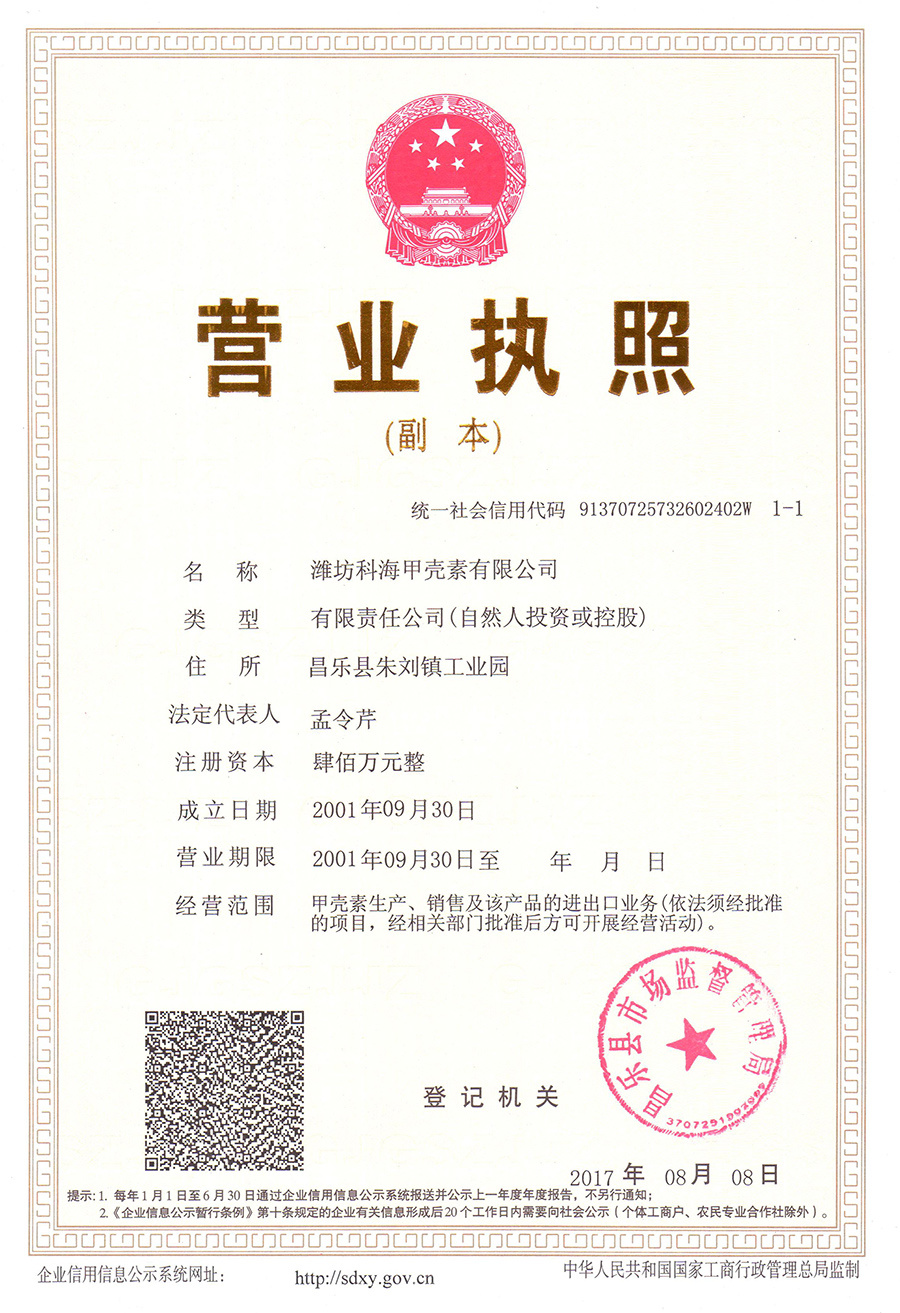
Weifang Kehai Chitosan Co., Ltd
Address: Zhuliu Industrial Park, Changle County, Weifang City, Shandong Province, China
General Manager: Ms Meng Ya
Mr. Meng: 86 13806497089
Ms Meng: 86 15563902222
Mr. Lee: 86 13011668883
Mail:kevinhbr888@gmail.com
General Manager: Ms Meng Ya
Mr. Meng: 86 13806497089
Ms Meng: 86 15563902222
Mr. Lee: 86 13011668883
Mail:kevinhbr888@gmail.com

QR CODE
MESSAGE