

Release time:
**Table of Contents**
1. Introduction
2. What is Chitosan Food Grade?
3. How Does Chitosan Food Grade Work?
4. Benefits of Using Chitosan Food Grade for Food Preservation
5. Chitosan Food Grade Applications in the Food Industry
6. Frequently Asked Questions (FAQs)
7. Conclusion
## 1. Introduction
In a world where food waste is a growing concern, finding sustainable and natural solutions for food preservation is crucial. Chitosan Food Grade emerges as a game-changer in this regard, offering a safer and more eco-friendly alternative to traditional food additives. This article delves into the properties and benefits of Chitosan Food Grade and explores its applications in the food industry.
## 2. What is Chitosan Food Grade?
Chitosan Food Grade is a derivative of chitin, a natural polysaccharide found in the exoskeletons of crustaceans like shrimp and crab. It is a biopolymer that possesses antimicrobial and antioxidant properties, making it an ideal candidate for food preservation. This additive is approved by regulatory bodies worldwide as a safe ingredient for food applications.
## 3. How Does Chitosan Food Grade Work?
Chitosan Food Grade works through multiple mechanisms to preserve food. Firstly, its antimicrobial properties inhibit the growth of various bacteria, yeasts, and molds that can cause spoilage. By creating a protective barrier on the food surface, it prevents the entry of harmful microorganisms, ultimately extending the product's shelf life. Additionally, Chitosan Food Grade acts as an antioxidant, reducing the oxidation process that leads to deterioration of food quality.
## 4. Benefits of Using Chitosan Food Grade for Food Preservation
Using Chitosan Food Grade for food preservation comes with several advantages. Firstly, it is a natural and biodegradable alternative to synthetic additives. Unlike chemical preservatives, Chitosan Food Grade does not pose any health risks to consumers and is considered safe for consumption. Its eco-friendly nature also aligns with the growing demand for sustainable and clean label products.
Furthermore, Chitosan Food Grade is highly effective against a wide range of microorganisms, including bacteria, fungi, and viruses. This broad spectrum of activity ensures comprehensive protection against spoilage and foodborne illnesses. The additive's versatility allows it to be used in various food products, from fresh produce to processed goods.
Another significant benefit of Chitosan Food Grade is its ability to enhance food quality during preservation. It helps retain the nutritional value, texture, flavor, and color of the treated products, ensuring that they remain appealing and enjoyable for consumers.
## 5. Chitosan Food Grade Applications in the Food Industry
The food industry has embraced Chitosan Food Grade for its immense potential in food preservation. It is widely used in the seafood industry to extend the shelf life of fresh fish and shellfish, preventing the growth of spoilage-causing bacteria. Additionally, Chitosan Food Grade finds applications in the preservation of fruits and vegetables, dairy products, meat, and even beverages.
In the bakery sector, Chitosan Food Grade acts as a natural preservative, maintaining the freshness of baked goods and preventing mold growth. It also finds utility in the production of sauces, dressings, and soups, where it enhances stability and prolongs shelf life.
## 6. Frequently Asked Questions (FAQs)
**Q1: Is Chitosan Food Grade safe for consumption?**
Chitosan Food Grade has been approved by regulatory bodies around the world as a safe ingredient for food applications. It is considered non-toxic and does not pose any health risks to consumers.
**Q2: Can Chitosan Food Grade be used in organic food products?**
Yes, Chitosan Food Grade is permitted for use in organic food products. Its natural origin and eco-friendly properties make it a suitable choice for organic food preservation.
**Q3: How long does Chitosan Food Grade extend the shelf life of food products?**
The shelf life extension depends on various factors, such as the type of food, storage conditions, and initial quality. Generally, Chitosan Food Grade can prolong the shelf life of products by several days to weeks.
**Q4: Does Chitosan Food Grade alter the taste or texture of food?**
No, Chitosan Food Grade does not significantly affect the taste or texture of food products when used in appropriate concentrations. It allows food to maintain its organoleptic properties while preserving its freshness.
**Q5: Can Chitosan Food Grade be used in combination with other preservatives?**
Yes, Chitosan Food Grade can be used in combination with other preservatives to enhance the overall preservation effect. However, it is important to ensure compatibility and avoid potential interactions.
## 7. Conclusion
Chitosan Food Grade offers an innovative and natural solution for food preservation. With its antimicrobial and antioxidant properties, this biodegradable additive ensures extended shelf life and maintained quality of various food products. Embracing Chitosan Food Grade in the food industry not only addresses the issue of food waste but also meets the growing demand for sustainable and clean label options. By leveraging the benefits of Chitosan Food Grade, manufacturers can contribute to a safer, fresher, and more environmentally friendly food supply chain.
1. Introduction
2. What is Chitosan Food Grade?
3. How Does Chitosan Food Grade Work?
4. Benefits of Using Chitosan Food Grade for Food Preservation
5. Chitosan Food Grade Applications in the Food Industry
6. Frequently Asked Questions (FAQs)
7. Conclusion
## 1. Introduction
In a world where food waste is a growing concern, finding sustainable and natural solutions for food preservation is crucial. Chitosan Food Grade emerges as a game-changer in this regard, offering a safer and more eco-friendly alternative to traditional food additives. This article delves into the properties and benefits of Chitosan Food Grade and explores its applications in the food industry.
## 2. What is Chitosan Food Grade?
Chitosan Food Grade is a derivative of chitin, a natural polysaccharide found in the exoskeletons of crustaceans like shrimp and crab. It is a biopolymer that possesses antimicrobial and antioxidant properties, making it an ideal candidate for food preservation. This additive is approved by regulatory bodies worldwide as a safe ingredient for food applications.
## 3. How Does Chitosan Food Grade Work?
Chitosan Food Grade works through multiple mechanisms to preserve food. Firstly, its antimicrobial properties inhibit the growth of various bacteria, yeasts, and molds that can cause spoilage. By creating a protective barrier on the food surface, it prevents the entry of harmful microorganisms, ultimately extending the product's shelf life. Additionally, Chitosan Food Grade acts as an antioxidant, reducing the oxidation process that leads to deterioration of food quality.
## 4. Benefits of Using Chitosan Food Grade for Food Preservation
Using Chitosan Food Grade for food preservation comes with several advantages. Firstly, it is a natural and biodegradable alternative to synthetic additives. Unlike chemical preservatives, Chitosan Food Grade does not pose any health risks to consumers and is considered safe for consumption. Its eco-friendly nature also aligns with the growing demand for sustainable and clean label products.
Furthermore, Chitosan Food Grade is highly effective against a wide range of microorganisms, including bacteria, fungi, and viruses. This broad spectrum of activity ensures comprehensive protection against spoilage and foodborne illnesses. The additive's versatility allows it to be used in various food products, from fresh produce to processed goods.
Another significant benefit of Chitosan Food Grade is its ability to enhance food quality during preservation. It helps retain the nutritional value, texture, flavor, and color of the treated products, ensuring that they remain appealing and enjoyable for consumers.
## 5. Chitosan Food Grade Applications in the Food Industry
The food industry has embraced Chitosan Food Grade for its immense potential in food preservation. It is widely used in the seafood industry to extend the shelf life of fresh fish and shellfish, preventing the growth of spoilage-causing bacteria. Additionally, Chitosan Food Grade finds applications in the preservation of fruits and vegetables, dairy products, meat, and even beverages.
In the bakery sector, Chitosan Food Grade acts as a natural preservative, maintaining the freshness of baked goods and preventing mold growth. It also finds utility in the production of sauces, dressings, and soups, where it enhances stability and prolongs shelf life.
## 6. Frequently Asked Questions (FAQs)
**Q1: Is Chitosan Food Grade safe for consumption?**
Chitosan Food Grade has been approved by regulatory bodies around the world as a safe ingredient for food applications. It is considered non-toxic and does not pose any health risks to consumers.
**Q2: Can Chitosan Food Grade be used in organic food products?**
Yes, Chitosan Food Grade is permitted for use in organic food products. Its natural origin and eco-friendly properties make it a suitable choice for organic food preservation.
**Q3: How long does Chitosan Food Grade extend the shelf life of food products?**
The shelf life extension depends on various factors, such as the type of food, storage conditions, and initial quality. Generally, Chitosan Food Grade can prolong the shelf life of products by several days to weeks.
**Q4: Does Chitosan Food Grade alter the taste or texture of food?**
No, Chitosan Food Grade does not significantly affect the taste or texture of food products when used in appropriate concentrations. It allows food to maintain its organoleptic properties while preserving its freshness.
**Q5: Can Chitosan Food Grade be used in combination with other preservatives?**
Yes, Chitosan Food Grade can be used in combination with other preservatives to enhance the overall preservation effect. However, it is important to ensure compatibility and avoid potential interactions.
## 7. Conclusion
Chitosan Food Grade offers an innovative and natural solution for food preservation. With its antimicrobial and antioxidant properties, this biodegradable additive ensures extended shelf life and maintained quality of various food products. Embracing Chitosan Food Grade in the food industry not only addresses the issue of food waste but also meets the growing demand for sustainable and clean label options. By leveraging the benefits of Chitosan Food Grade, manufacturers can contribute to a safer, fresher, and more environmentally friendly food supply chain.
Related
CONTACT US
language
English
العربية
বাংলাদেশ
Български
Hrvatski
Česky
Dansk
Nederland
 Esperanto
Slovenski
Filipino
Suomi
Français
Maori
 Shqiptare
Georgian
 Euskara
Deutsch
Ελλάδα
ישראל
इंडिया
Magyarország
Ísland
Indonesia
Irlanda
Italia
日本語
Sovensko
Հայաստան
한국
Kyrgyz
ປະເທດລາວ
 Zulu
Zulu
Latvian
Lithuanian
Luxembourgish
 Latinus
Macedonian
Малайская
Maltese
Монгол улс
 Cymraeg
ဗမာ
 தமிழ்
தமிழ்
नेपाल
Norge
ایران
Polska
Portugal
România
Российская
Србија
 Slovak
Србија
 Slovak
Bosanski
Slovenian
Беларус
España
Sverige
Точик
ประเทศไทย
Türk
Azərbaycan
Uzbek
 Afrikaans
Việt Nam
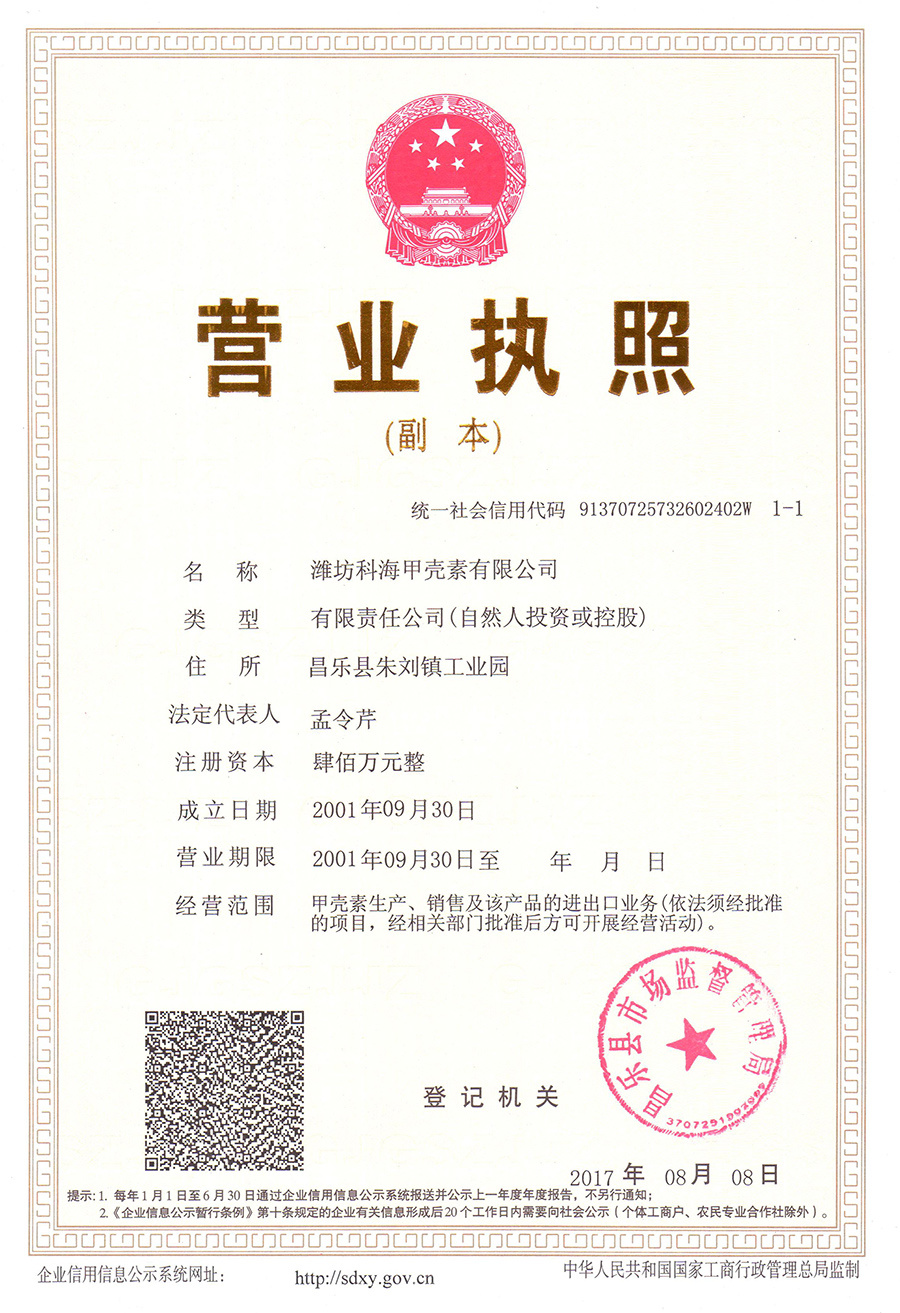
Weifang Kehai Chitosan Co., Ltd
Address: Zhuliu Industrial Park, Changle County, Weifang City, Shandong Province, China
General Manager: Ms Meng Ya
Mr. Meng: 86 13806497089
Ms Meng: 86 15563902222
Mr. Lee: 86 13011668883
Mail:kevinhbr888@gmail.com
General Manager: Ms Meng Ya
Mr. Meng: 86 13806497089
Ms Meng: 86 15563902222
Mr. Lee: 86 13011668883
Mail:kevinhbr888@gmail.com

QR CODE
MESSAGE