

Release time:
Table of Contents:
1. Introduction
2. What is Chitosan Food Grade?
3. The Role of Chitosan Food Grade as a Food Additive
4. Benefits of Chitosan Food Grade
5. Applications of Chitosan Food Grade
6. Safety Considerations
7. Frequently Asked Questions (FAQs)
8. Conclusion
In this article, we will delve into the fascinating world of Chitosan Food Grade and explore its role as a food additive. We will discuss the various benefits it offers and the wide range of applications it has in the food industry. Whether you are a consumer curious about the ingredients in your food or a professional seeking to enhance food quality, this article will provide valuable insights.
Chitosan Food Grade is a natural compound derived from chitin, which is found in the exoskeleton of crustaceans such as shrimps, crabs, and lobsters. It is a versatile substance that has gained significant attention in the food industry due to its unique properties. Chitosan Food Grade is typically obtained through a rigorous purification process to ensure its suitability for use in food products.
Chitosan Food Grade serves as a valuable food additive due to its ability to improve food quality, enhance preservation, and contribute to sustainability. Its properties make it an attractive alternative to synthetic additives, aligning with the growing demand for natural and clean-label ingredients.
Chitosan Food Grade plays a crucial role in improving the overall quality of food products. It can enhance texture, taste, and appearance, making food more appealing to consumers. Its water-binding properties help retain moisture, preventing products from becoming dry or stale.
One of the significant advantages of Chitosan Food Grade is its antimicrobial and antifungal properties. These properties inhibit the growth of spoilage-causing microorganisms, extending the shelf life of food products. By reducing the need for chemical preservatives, Chitosan Food Grade contributes to a cleaner and healthier food industry.
Chitosan Food Grade aligns with the growing trend towards sustainable food production. As a natural byproduct of the seafood industry, its utilization reduces waste and provides value to an otherwise discarded resource. Its biodegradable nature also ensures minimal impact on the environment.
Chitosan Food Grade offers numerous benefits that make it a desirable food additive. Some of the key advantages include:
As consumers increasingly prioritize natural and clean-label ingredients, Chitosan Food Grade stands out as a natural compound derived from renewable sources. Its use allows food manufacturers to meet consumer demands for transparency and cleaner ingredient lists.
The antimicrobial and antifungal properties of Chitosan Food Grade help inhibit the growth of harmful bacteria and fungi. By reducing the risk of contamination, it contributes to improved food safety and reduces the need for synthetic preservatives.
Chitosan Food Grade can help enhance the nutritional value of food products. Its ability to bind with fats can reduce the cholesterol content in certain foods, making them healthier choices for consumers.
Chitosan Food Grade finds a wide range of applications in the food industry. Some common uses include:
Chitosan Food Grade can be used as a coating or film to enhance the quality and shelf life of meat and seafood products. It helps retain moisture, prevents spoilage, and reduces the risk of microbial contamination.
In the bakery and confectionery industry, Chitosan Food Grade can improve texture, extend freshness, and enhance the overall quality of baked goods. It can be used in dough conditioners, glazes, and coatings.
Chitosan Food Grade can be utilized in beverages and dairy products to improve stability, prevent sedimentation, and enhance texture. It can also act as a clarifying agent, ensuring a visually appealing final product.
Chitosan Food Grade is generally considered safe for consumption. However, individuals with shellfish allergies should exercise caution, as Chitosan Food Grade is derived from crustaceans. It is important to consult with a healthcare professional if you have any concerns or allergies.
No, Chitosan Food Grade is derived from crustaceans and is not considered vegan-friendly.
Chitosan Food Grade does not significantly alter the taste of food products when used in appropriate quantities. It is often tasteless and odorless.
Yes, Chitosan Food Grade is permitted for use in organic food products as long as it meets the necessary organic certification requirements.
Regulations may vary by country. It is essential to consult local food authorities or regulatory agencies to ensure compliance with applicable regulations.
Chitosan Food Grade is versatile and can be used in a wide range of food products. However, specific applications may depend on factors such as pH, temperature, and compatibility with other ingredients.
Chitosan Food Grade offers numerous benefits as a food additive. Its natural origin, antimicrobial properties, and contributions to food quality and sustainability make it a valuable ingredient in the food industry. By exploring the role of Chitosan Food Grade, we can better understand its potential and promote a healthier and more sustainable food system.
1. Introduction
2. What is Chitosan Food Grade?
3. The Role of Chitosan Food Grade as a Food Additive
4. Benefits of Chitosan Food Grade
5. Applications of Chitosan Food Grade
6. Safety Considerations
7. Frequently Asked Questions (FAQs)
8. Conclusion
1. Introduction
In this article, we will delve into the fascinating world of Chitosan Food Grade and explore its role as a food additive. We will discuss the various benefits it offers and the wide range of applications it has in the food industry. Whether you are a consumer curious about the ingredients in your food or a professional seeking to enhance food quality, this article will provide valuable insights.
2. What is Chitosan Food Grade?
Chitosan Food Grade is a natural compound derived from chitin, which is found in the exoskeleton of crustaceans such as shrimps, crabs, and lobsters. It is a versatile substance that has gained significant attention in the food industry due to its unique properties. Chitosan Food Grade is typically obtained through a rigorous purification process to ensure its suitability for use in food products.
3. The Role of Chitosan Food Grade as a Food Additive
Chitosan Food Grade serves as a valuable food additive due to its ability to improve food quality, enhance preservation, and contribute to sustainability. Its properties make it an attractive alternative to synthetic additives, aligning with the growing demand for natural and clean-label ingredients.
3.1 Food Quality
Chitosan Food Grade plays a crucial role in improving the overall quality of food products. It can enhance texture, taste, and appearance, making food more appealing to consumers. Its water-binding properties help retain moisture, preventing products from becoming dry or stale.
3.2 Preservation and Shelf Life
One of the significant advantages of Chitosan Food Grade is its antimicrobial and antifungal properties. These properties inhibit the growth of spoilage-causing microorganisms, extending the shelf life of food products. By reducing the need for chemical preservatives, Chitosan Food Grade contributes to a cleaner and healthier food industry.
3.3 Sustainability
Chitosan Food Grade aligns with the growing trend towards sustainable food production. As a natural byproduct of the seafood industry, its utilization reduces waste and provides value to an otherwise discarded resource. Its biodegradable nature also ensures minimal impact on the environment.
4. Benefits of Chitosan Food Grade
Chitosan Food Grade offers numerous benefits that make it a desirable food additive. Some of the key advantages include:
4.1 Natural and Clean-label
As consumers increasingly prioritize natural and clean-label ingredients, Chitosan Food Grade stands out as a natural compound derived from renewable sources. Its use allows food manufacturers to meet consumer demands for transparency and cleaner ingredient lists.
4.2 Improved Food Safety
The antimicrobial and antifungal properties of Chitosan Food Grade help inhibit the growth of harmful bacteria and fungi. By reducing the risk of contamination, it contributes to improved food safety and reduces the need for synthetic preservatives.
4.3 Enhanced Nutritional Value
Chitosan Food Grade can help enhance the nutritional value of food products. Its ability to bind with fats can reduce the cholesterol content in certain foods, making them healthier choices for consumers.
5. Applications of Chitosan Food Grade
Chitosan Food Grade finds a wide range of applications in the food industry. Some common uses include:
5.1 Meat and Seafood
Chitosan Food Grade can be used as a coating or film to enhance the quality and shelf life of meat and seafood products. It helps retain moisture, prevents spoilage, and reduces the risk of microbial contamination.
5.2 Bakery and Confectionery
In the bakery and confectionery industry, Chitosan Food Grade can improve texture, extend freshness, and enhance the overall quality of baked goods. It can be used in dough conditioners, glazes, and coatings.
5.3 Beverages and Dairy Products
Chitosan Food Grade can be utilized in beverages and dairy products to improve stability, prevent sedimentation, and enhance texture. It can also act as a clarifying agent, ensuring a visually appealing final product.
6. Safety Considerations
Chitosan Food Grade is generally considered safe for consumption. However, individuals with shellfish allergies should exercise caution, as Chitosan Food Grade is derived from crustaceans. It is important to consult with a healthcare professional if you have any concerns or allergies.
7. Frequently Asked Questions (FAQs)
FAQ 1: Is Chitosan Food Grade vegan-friendly?
No, Chitosan Food Grade is derived from crustaceans and is not considered vegan-friendly.
FAQ 2: Does Chitosan Food Grade alter the taste of food?
Chitosan Food Grade does not significantly alter the taste of food products when used in appropriate quantities. It is often tasteless and odorless.
FAQ 3: Can Chitosan Food Grade be used in organic food products?
Yes, Chitosan Food Grade is permitted for use in organic food products as long as it meets the necessary organic certification requirements.
FAQ 4: Are there any regulations regarding the use of Chitosan Food Grade?
Regulations may vary by country. It is essential to consult local food authorities or regulatory agencies to ensure compliance with applicable regulations.
FAQ 5: Can Chitosan Food Grade be used in all food products?
Chitosan Food Grade is versatile and can be used in a wide range of food products. However, specific applications may depend on factors such as pH, temperature, and compatibility with other ingredients.
8. Conclusion
Chitosan Food Grade offers numerous benefits as a food additive. Its natural origin, antimicrobial properties, and contributions to food quality and sustainability make it a valuable ingredient in the food industry. By exploring the role of Chitosan Food Grade, we can better understand its potential and promote a healthier and more sustainable food system.
Related
CONTACT US
language
English
العربية
বাংলাদেশ
Български
Hrvatski
Česky
Dansk
Nederland
 Esperanto
Slovenski
Filipino
Suomi
Français
Maori
 Shqiptare
Georgian
 Euskara
Deutsch
Ελλάδα
ישראל
इंडिया
Magyarország
Ísland
Indonesia
Irlanda
Italia
日本語
Sovensko
Հայաստան
한국
Kyrgyz
ປະເທດລາວ
 Zulu
Zulu
Latvian
Lithuanian
Luxembourgish
 Latinus
Macedonian
Малайская
Maltese
Монгол улс
 Cymraeg
ဗမာ
 தமிழ்
தமிழ்
नेपाल
Norge
ایران
Polska
Portugal
România
Российская
Србија
 Slovak
Србија
 Slovak
Bosanski
Slovenian
Беларус
España
Sverige
Точик
ประเทศไทย
Türk
Azərbaycan
Uzbek
 Afrikaans
Việt Nam
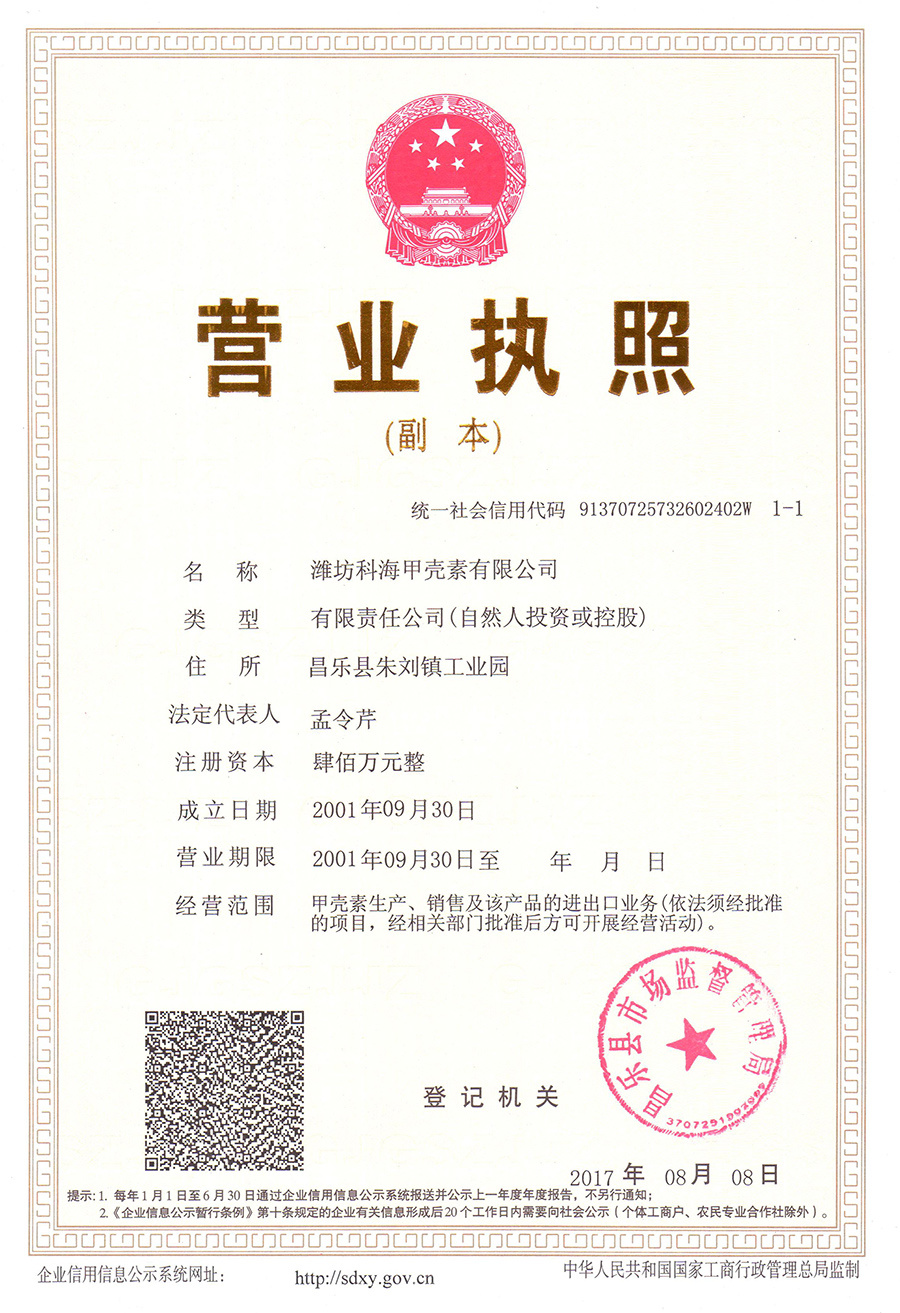
Weifang Kehai Chitosan Co., Ltd
Address: Zhuliu Industrial Park, Changle County, Weifang City, Shandong Province, China
General Manager: Ms Meng Ya
Mr. Meng: 86 13806497089
Ms Meng: 86 15563902222
Mr. Lee: 86 13011668883
Mail:kevinhbr888@gmail.com
General Manager: Ms Meng Ya
Mr. Meng: 86 13806497089
Ms Meng: 86 15563902222
Mr. Lee: 86 13011668883
Mail:kevinhbr888@gmail.com

QR CODE
MESSAGE