

Release time:
Table of Contents:
1. Introduction: Understanding the Role of Granular Chitosan in Agriculture
2. The Science Behind Granular Chitosan Products for Agriculture
3. Benefits of Using Granular Chitosan in Fruit and Vegetable Production
4. How to Apply Granular Chitosan Products in Agriculture
5. Frequently Asked Questions (FAQs) about Granular Chitosan and Crop Yield Enhancement
6. Conclusion: Unlocking the Potential of Granular Chitosan for Sustainable Agriculture
In recent years, the agricultural industry has witnessed a growing interest in sustainable farming practices and eco-friendly solutions. Granular Chitosan, derived from the shells of crustaceans, has emerged as a game-changer in enhancing fruit and vegetable production. This article delves into the science, benefits, and applications of using granular chitosan as a natural additive in agriculture.
Granular chitosan is a naturally occurring biopolymer, primarily composed of chitin. Chitosan's unique properties, such as its ability to act as a bio-stimulator and its antimicrobial and antifungal qualities, make it an excellent choice for agricultural applications. When applied to crops, granular chitosan stimulates plant growth, strengthens natural defenses, and improves nutrient absorption.
Granular chitosan products act as potent bio-stimulants, promoting root and shoot growth in plants. By stimulating cell division and elongation, chitosan encourages overall plant development, resulting in healthier and more robust crops. Additionally, chitosan enhances nutrient uptake, ensuring that plants receive essential elements for optimal growth.
One of the remarkable characteristics of granular chitosan is its ability to strengthen crops' natural defense mechanisms. Chitosan activates a plant's immune response, priming it to fight against various pathogens, bacteria, and fungi. By forming a protective barrier on the plant's surface, chitosan reduces the risk of infections and diseases, ultimately increasing crop yield and quality.
Granular chitosan products are an eco-friendly alternative to conventional chemical additives. Unlike synthetic pesticides and fertilizers, chitosan is biodegradable, non-toxic, and poses no harm to humans, animals, or the environment. Its compatibility with organic farming practices makes it an ideal choice for growers who prioritize sustainability and consumer health.
Using granular chitosan in fruit and vegetable production offers a myriad of benefits that contribute to higher crop yields and improved quality. Let's explore some key advantages:
Studies have shown that the application of granular chitosan can significantly increase crop yields. By enhancing nutrient absorption, stimulating growth, and fortifying plants' natural defenses, chitosan ensures healthier and more productive crops. Additionally, chitosan-treated fruits and vegetables often exhibit improved taste, texture, and extended shelf life.
As a natural defense enhancer, granular chitosan helps reduce the reliance on synthetic pesticides, fungicides, and insecticides. By bolstering plants' immune systems, chitosan minimizes the risk of diseases caused by pathogens and pests. This sustainable approach not only protects the environment but also promotes the overall well-being of crop ecosystems.
Granular chitosan acts as a chelating agent, aiding in the efficient absorption of essential nutrients by plants. It forms complexes with micronutrients, preventing their leaching or immobilization in the soil. This ensures that crops have access to a balanced and readily available nutrient supply, leading to healthier plants and improved yields.
Applying granular chitosan products in agriculture is a straightforward process that can be integrated into existing farming practices. Here's a step-by-step guide to help you effectively use granular chitosan:
Prepare the soil by removing weeds, debris, and rocks. Ensure proper drainage and till the soil to a depth of at least six inches.
Follow the recommended dosage instructions provided by the manufacturer. Spread the granular chitosan evenly over the soil surface or incorporate it into the soil during seeding or transplanting.
Water the treated area adequately to activate the chitosan and promote its absorption into the soil. Maintain regular irrigation and follow standard crop-specific care practices.
Yes, granular chitosan is safe for human consumption. It is widely used in various food and pharmaceutical applications and is considered non-toxic.
Absolutely. Granular chitosan is compatible with organic farming practices as it is derived from natural sources and doesn't harm the environment.
Results may vary depending on crop type, soil condition, and other factors. However, in most cases, significant improvements in crop yield and quality can be observed within a few weeks of application.
While granular chitosan helps strengthen plants' natural defenses, it may not entirely replace synthetic pesticides. However, it can significantly reduce reliance on chemicals, promoting a more sustainable approach to crop protection.
Granular chitosan can benefit a wide range of crops, including fruits, vegetables, grains, and herbs. It is particularly effective in boosting the growth and yield of crops with shallow root systems.
Granular chitosan has become a vital tool for farmers and growers striving for sustainable and eco-friendly solutions in agriculture. Its role in enhancing fruit and vegetable production is undeniable, offering increased crop yields, improved quality, and better disease management. By harnessing the power of granular chitosan, farmers can unlock the potential of their crops while preserving the health of our planet and consumers alike.
Incorporating granular chitosan into agricultural practices not only aligns with the growing demand for organic and sustainable produce but also contributes to the overall resilience and profitability of the farming industry. Embrace the power of granular chitosan and witness the transformative effects it can have on your fruit and vegetable production.
1. Introduction: Understanding the Role of Granular Chitosan in Agriculture
2. The Science Behind Granular Chitosan Products for Agriculture
3. Benefits of Using Granular Chitosan in Fruit and Vegetable Production
4. How to Apply Granular Chitosan Products in Agriculture
5. Frequently Asked Questions (FAQs) about Granular Chitosan and Crop Yield Enhancement
6. Conclusion: Unlocking the Potential of Granular Chitosan for Sustainable Agriculture
1. Introduction: Understanding the Role of Granular Chitosan in Agriculture
In recent years, the agricultural industry has witnessed a growing interest in sustainable farming practices and eco-friendly solutions. Granular Chitosan, derived from the shells of crustaceans, has emerged as a game-changer in enhancing fruit and vegetable production. This article delves into the science, benefits, and applications of using granular chitosan as a natural additive in agriculture.
2. The Science Behind Granular Chitosan Products for Agriculture
Granular chitosan is a naturally occurring biopolymer, primarily composed of chitin. Chitosan's unique properties, such as its ability to act as a bio-stimulator and its antimicrobial and antifungal qualities, make it an excellent choice for agricultural applications. When applied to crops, granular chitosan stimulates plant growth, strengthens natural defenses, and improves nutrient absorption.
2.1 Bio-Stimulation: Boosting Plant Growth and Development
Granular chitosan products act as potent bio-stimulants, promoting root and shoot growth in plants. By stimulating cell division and elongation, chitosan encourages overall plant development, resulting in healthier and more robust crops. Additionally, chitosan enhances nutrient uptake, ensuring that plants receive essential elements for optimal growth.
2.2 Natural Defense Enhancer: Protecting Crops
One of the remarkable characteristics of granular chitosan is its ability to strengthen crops' natural defense mechanisms. Chitosan activates a plant's immune response, priming it to fight against various pathogens, bacteria, and fungi. By forming a protective barrier on the plant's surface, chitosan reduces the risk of infections and diseases, ultimately increasing crop yield and quality.
2.3 Environmental Compatibility: A Sustainable Solution
Granular chitosan products are an eco-friendly alternative to conventional chemical additives. Unlike synthetic pesticides and fertilizers, chitosan is biodegradable, non-toxic, and poses no harm to humans, animals, or the environment. Its compatibility with organic farming practices makes it an ideal choice for growers who prioritize sustainability and consumer health.
3. Benefits of Using Granular Chitosan in Fruit and Vegetable Production
Using granular chitosan in fruit and vegetable production offers a myriad of benefits that contribute to higher crop yields and improved quality. Let's explore some key advantages:
3.1 Increased Crop Yield and Quality
Studies have shown that the application of granular chitosan can significantly increase crop yields. By enhancing nutrient absorption, stimulating growth, and fortifying plants' natural defenses, chitosan ensures healthier and more productive crops. Additionally, chitosan-treated fruits and vegetables often exhibit improved taste, texture, and extended shelf life.
3.2 Sustainable Disease and Pest Management
As a natural defense enhancer, granular chitosan helps reduce the reliance on synthetic pesticides, fungicides, and insecticides. By bolstering plants' immune systems, chitosan minimizes the risk of diseases caused by pathogens and pests. This sustainable approach not only protects the environment but also promotes the overall well-being of crop ecosystems.
3.3 Enhanced Nutrient Absorption
Granular chitosan acts as a chelating agent, aiding in the efficient absorption of essential nutrients by plants. It forms complexes with micronutrients, preventing their leaching or immobilization in the soil. This ensures that crops have access to a balanced and readily available nutrient supply, leading to healthier plants and improved yields.
4. How to Apply Granular Chitosan Products in Agriculture
Applying granular chitosan products in agriculture is a straightforward process that can be integrated into existing farming practices. Here's a step-by-step guide to help you effectively use granular chitosan:
4.1 Soil Preparation
Prepare the soil by removing weeds, debris, and rocks. Ensure proper drainage and till the soil to a depth of at least six inches.
4.2 Granular Chitosan Application
Follow the recommended dosage instructions provided by the manufacturer. Spread the granular chitosan evenly over the soil surface or incorporate it into the soil during seeding or transplanting.
4.3 Watering and Maintenance
Water the treated area adequately to activate the chitosan and promote its absorption into the soil. Maintain regular irrigation and follow standard crop-specific care practices.
5. Frequently Asked Questions (FAQs) about Granular Chitosan and Crop Yield Enhancement
5.1 Is granular chitosan safe for human consumption?
Yes, granular chitosan is safe for human consumption. It is widely used in various food and pharmaceutical applications and is considered non-toxic.
5.2 Can granular chitosan be used in organic farming?
Absolutely. Granular chitosan is compatible with organic farming practices as it is derived from natural sources and doesn't harm the environment.
5.3 How long does it take to see results after applying granular chitosan?
Results may vary depending on crop type, soil condition, and other factors. However, in most cases, significant improvements in crop yield and quality can be observed within a few weeks of application.
5.4 Can granular chitosan replace synthetic pesticides?
While granular chitosan helps strengthen plants' natural defenses, it may not entirely replace synthetic pesticides. However, it can significantly reduce reliance on chemicals, promoting a more sustainable approach to crop protection.
5.5 Is granular chitosan suitable for all crops?
Granular chitosan can benefit a wide range of crops, including fruits, vegetables, grains, and herbs. It is particularly effective in boosting the growth and yield of crops with shallow root systems.
6. Conclusion: Unlocking the Potential of Granular Chitosan for Sustainable Agriculture
Granular chitosan has become a vital tool for farmers and growers striving for sustainable and eco-friendly solutions in agriculture. Its role in enhancing fruit and vegetable production is undeniable, offering increased crop yields, improved quality, and better disease management. By harnessing the power of granular chitosan, farmers can unlock the potential of their crops while preserving the health of our planet and consumers alike.
Incorporating granular chitosan into agricultural practices not only aligns with the growing demand for organic and sustainable produce but also contributes to the overall resilience and profitability of the farming industry. Embrace the power of granular chitosan and witness the transformative effects it can have on your fruit and vegetable production.
Related
CONTACT US
language
English
العربية
বাংলাদেশ
Български
Hrvatski
Česky
Dansk
Nederland
 Esperanto
Slovenski
Filipino
Suomi
Français
Maori
 Shqiptare
Georgian
 Euskara
Deutsch
Ελλάδα
ישראל
इंडिया
Magyarország
Ísland
Indonesia
Irlanda
Italia
日本語
Sovensko
Հայաստան
한국
Kyrgyz
ປະເທດລາວ
 Zulu
Zulu
Latvian
Lithuanian
Luxembourgish
 Latinus
Macedonian
Малайская
Maltese
Монгол улс
 Cymraeg
ဗမာ
 தமிழ்
தமிழ்
नेपाल
Norge
ایران
Polska
Portugal
România
Российская
Србија
 Slovak
Србија
 Slovak
Bosanski
Slovenian
Беларус
España
Sverige
Точик
ประเทศไทย
Türk
Azərbaycan
Uzbek
 Afrikaans
Việt Nam
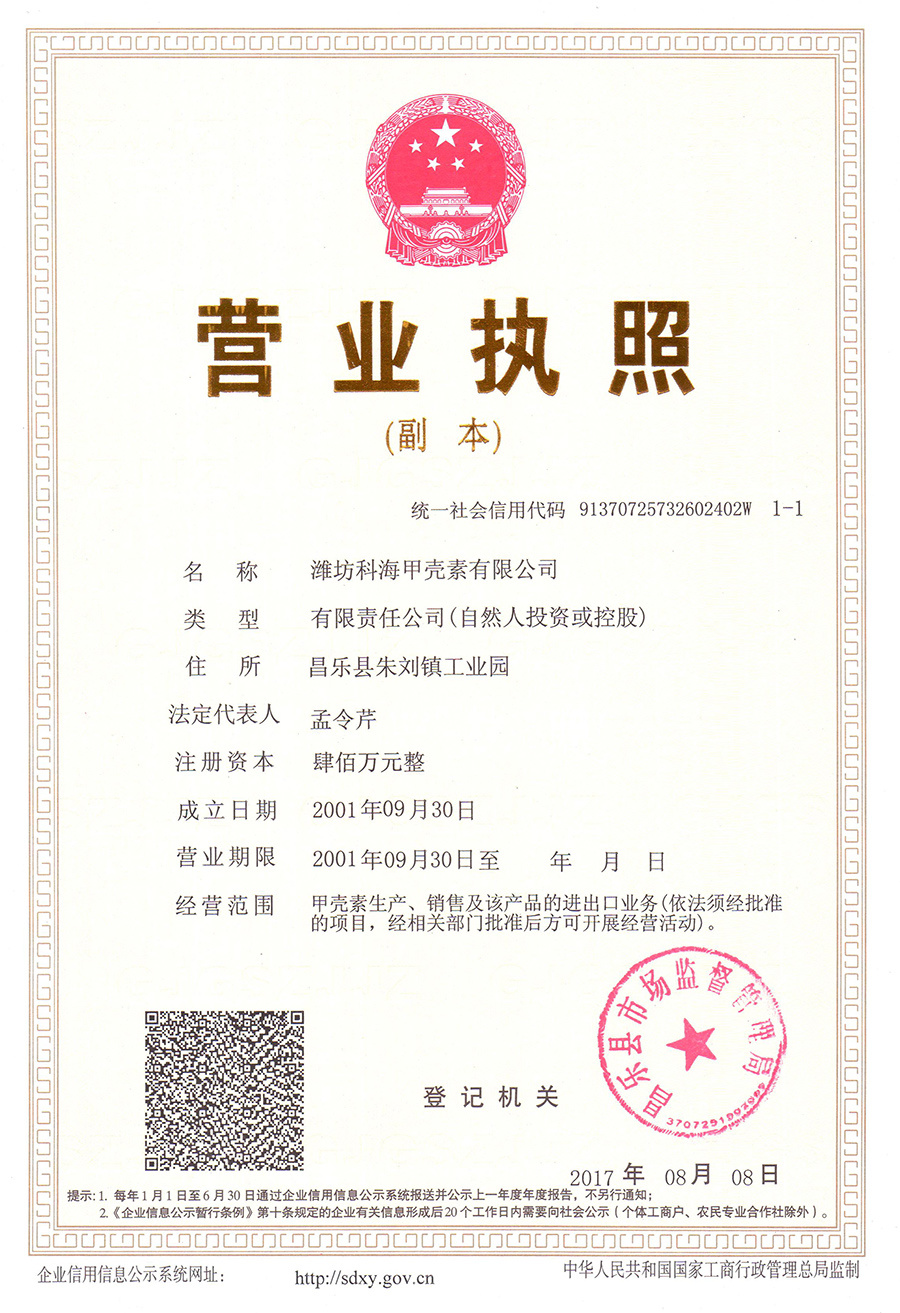
Weifang Kehai Chitosan Co., Ltd
Address: Zhuliu Industrial Park, Changle County, Weifang City, Shandong Province, China
General Manager: Ms Meng Ya
Mr. Meng: 86 13806497089
Ms Meng: 86 15563902222
Mr. Lee: 86 13011668883
Mail:kevinhbr888@gmail.com
General Manager: Ms Meng Ya
Mr. Meng: 86 13806497089
Ms Meng: 86 15563902222
Mr. Lee: 86 13011668883
Mail:kevinhbr888@gmail.com

QR CODE
MESSAGE