

Release time:
**Introduction**
In the competitive world of wholesale paper making, it is essential to constantly seek out innovative ways to improve the quality and sustainability of your products. One such solution that has gained popularity in recent years is the use of chitosan, a natural biopolymer derived from chitin found in the exoskeletons of crustaceans like shrimp and crabs. In this article, we will explore the numerous benefits of incorporating chitosan into your paper making process and how it can give you a competitive edge in the market.
**What is Chitosan?**
Chitosan is a versatile biopolymer that has a wide range of applications, including in the paper making industry. It is derived from chitin through a deacetylation process, which removes the acetyl groups from the chitin molecule, resulting in a more soluble and biodegradable material. Chitosan is known for its antimicrobial, biocompatible, and biodegradable properties, making it an attractive choice for various industries, including paper making.
**Improved Paper Strength**
One of the primary benefits of using chitosan in wholesale paper making is its ability to improve the strength and durability of the paper products. Chitosan acts as a binding agent, helping to enhance the intermolecular forces between the paper fibers, resulting in a sturdier and more resilient paper product. This increased strength is particularly beneficial for packaging materials and other high-stress applications.
**Enhanced Paper Quality**
In addition to improving strength, chitosan can also enhance the quality of the paper itself. By incorporating chitosan into the paper making process, manufacturers can achieve a smoother surface finish, improved printability, and increased water resistance. These qualities make chitosan-treated paper products more attractive to customers and open up new opportunities for innovative packaging solutions.
**Sustainable Paper Making**
Another significant advantage of using chitosan in wholesale paper making is its sustainability. Chitosan is a natural and renewable material that is biodegradable and environmentally friendly. By replacing synthetic additives with chitosan, paper manufacturers can reduce their environmental impact and meet the growing demand for sustainable paper products. This eco-friendly approach can also help companies differentiate themselves in the market and attract environmentally conscious customers.
**Antimicrobial Properties**
Chitosan is well-known for its antimicrobial properties, making it an ideal additive for paper products that require enhanced hygiene and cleanliness. By incorporating chitosan into paper towels, napkins, and other disposable items, manufacturers can inhibit the growth of bacteria and other harmful microorganisms, creating a safer and more sanitary product for consumers. This antimicrobial effect can be particularly beneficial in healthcare and food packaging applications.
**FAQs**
**Q:** Can chitosan be safely used in paper making?
**A:** Yes, chitosan is considered safe for use in paper making and has been approved for various applications by regulatory authorities.
**Q:** Is chitosan biodegradable?
**A:** Yes, chitosan is a biodegradable material that breaks down naturally over time, making it an eco-friendly choice for paper making.
**Q:** How does chitosan improve paper strength?
**A:** Chitosan acts as a binding agent, enhancing the intermolecular forces between paper fibers and increasing the overall strength of the paper product.
**Q:** Can chitosan be recycled?
**A:** Chitosan is biodegradable but may not be suitable for recycling due to its unique properties. However, it can be safely composted in industrial facilities.
**Q:** Are there any drawbacks to using chitosan in paper making?
**A:** While chitosan offers numerous benefits, it may come at a slightly higher cost compared to traditional additives. However, the long-term advantages in terms of quality and sustainability outweigh the initial investment.
**Conclusion**
In conclusion, the benefits of using chitosan for wholesale paper making are undeniable. From improved paper strength and quality to sustainability and antimicrobial properties, chitosan offers a range of advantages that can help manufacturers stand out in a competitive market. By incorporating chitosan into their paper making process, companies can create high-quality, eco-friendly products that meet the needs of modern consumers. Embracing chitosan as a valuable additive is not only a smart business decision but also a step towards a more sustainable and responsible future in the paper making industry.
In the competitive world of wholesale paper making, it is essential to constantly seek out innovative ways to improve the quality and sustainability of your products. One such solution that has gained popularity in recent years is the use of chitosan, a natural biopolymer derived from chitin found in the exoskeletons of crustaceans like shrimp and crabs. In this article, we will explore the numerous benefits of incorporating chitosan into your paper making process and how it can give you a competitive edge in the market.
**What is Chitosan?**
Chitosan is a versatile biopolymer that has a wide range of applications, including in the paper making industry. It is derived from chitin through a deacetylation process, which removes the acetyl groups from the chitin molecule, resulting in a more soluble and biodegradable material. Chitosan is known for its antimicrobial, biocompatible, and biodegradable properties, making it an attractive choice for various industries, including paper making.
**Improved Paper Strength**
One of the primary benefits of using chitosan in wholesale paper making is its ability to improve the strength and durability of the paper products. Chitosan acts as a binding agent, helping to enhance the intermolecular forces between the paper fibers, resulting in a sturdier and more resilient paper product. This increased strength is particularly beneficial for packaging materials and other high-stress applications.
**Enhanced Paper Quality**
In addition to improving strength, chitosan can also enhance the quality of the paper itself. By incorporating chitosan into the paper making process, manufacturers can achieve a smoother surface finish, improved printability, and increased water resistance. These qualities make chitosan-treated paper products more attractive to customers and open up new opportunities for innovative packaging solutions.
**Sustainable Paper Making**
Another significant advantage of using chitosan in wholesale paper making is its sustainability. Chitosan is a natural and renewable material that is biodegradable and environmentally friendly. By replacing synthetic additives with chitosan, paper manufacturers can reduce their environmental impact and meet the growing demand for sustainable paper products. This eco-friendly approach can also help companies differentiate themselves in the market and attract environmentally conscious customers.
**Antimicrobial Properties**
Chitosan is well-known for its antimicrobial properties, making it an ideal additive for paper products that require enhanced hygiene and cleanliness. By incorporating chitosan into paper towels, napkins, and other disposable items, manufacturers can inhibit the growth of bacteria and other harmful microorganisms, creating a safer and more sanitary product for consumers. This antimicrobial effect can be particularly beneficial in healthcare and food packaging applications.
**FAQs**
**Q:** Can chitosan be safely used in paper making?
**A:** Yes, chitosan is considered safe for use in paper making and has been approved for various applications by regulatory authorities.
**Q:** Is chitosan biodegradable?
**A:** Yes, chitosan is a biodegradable material that breaks down naturally over time, making it an eco-friendly choice for paper making.
**Q:** How does chitosan improve paper strength?
**A:** Chitosan acts as a binding agent, enhancing the intermolecular forces between paper fibers and increasing the overall strength of the paper product.
**Q:** Can chitosan be recycled?
**A:** Chitosan is biodegradable but may not be suitable for recycling due to its unique properties. However, it can be safely composted in industrial facilities.
**Q:** Are there any drawbacks to using chitosan in paper making?
**A:** While chitosan offers numerous benefits, it may come at a slightly higher cost compared to traditional additives. However, the long-term advantages in terms of quality and sustainability outweigh the initial investment.
**Conclusion**
In conclusion, the benefits of using chitosan for wholesale paper making are undeniable. From improved paper strength and quality to sustainability and antimicrobial properties, chitosan offers a range of advantages that can help manufacturers stand out in a competitive market. By incorporating chitosan into their paper making process, companies can create high-quality, eco-friendly products that meet the needs of modern consumers. Embracing chitosan as a valuable additive is not only a smart business decision but also a step towards a more sustainable and responsible future in the paper making industry.
Related
CONTACT US
language
English
العربية
বাংলাদেশ
Български
Hrvatski
Česky
Dansk
Nederland
 Esperanto
Slovenski
Filipino
Suomi
Français
Maori
 Shqiptare
Georgian
 Euskara
Deutsch
Ελλάδα
ישראל
इंडिया
Magyarország
Ísland
Indonesia
Irlanda
Italia
日本語
Sovensko
Հայաստան
한국
Kyrgyz
ປະເທດລາວ
 Zulu
Zulu
Latvian
Lithuanian
Luxembourgish
 Latinus
Macedonian
Малайская
Maltese
Монгол улс
 Cymraeg
ဗမာ
 தமிழ்
தமிழ்
नेपाल
Norge
ایران
Polska
Portugal
România
Российская
Србија
 Slovak
Србија
 Slovak
Bosanski
Slovenian
Беларус
España
Sverige
Точик
ประเทศไทย
Türk
Azərbaycan
Uzbek
 Afrikaans
Việt Nam
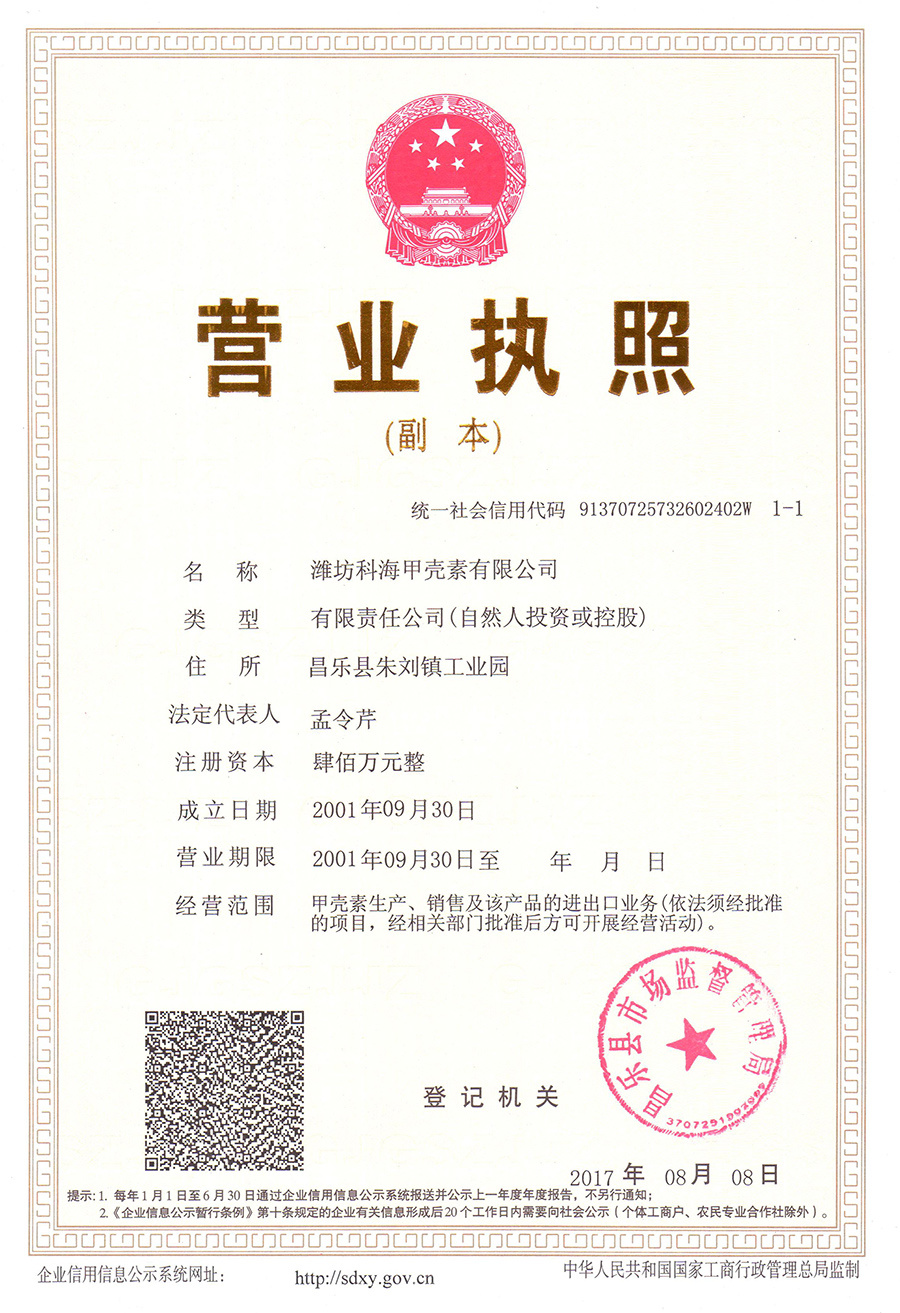
Weifang Kehai Chitosan Co., Ltd
Address: Zhuliu Industrial Park, Changle County, Weifang City, Shandong Province, China
General Manager: Ms Meng Ya
Mr. Meng: 86 13806497089
Ms Meng: 86 15563902222
Mr. Lee: 86 13011668883
Mail:kevinhbr888@gmail.com
General Manager: Ms Meng Ya
Mr. Meng: 86 13806497089
Ms Meng: 86 15563902222
Mr. Lee: 86 13011668883
Mail:kevinhbr888@gmail.com

QR CODE
MESSAGE