

Release time:
Chitosan is a natural polymer derived from chitin, a substance found in the exoskeletons of crustaceans like shrimp and crabs. In the agricultural industry, chitosan is widely used as a food additive due to its various beneficial properties. When it comes to paper making, chitosan has also shown great potential in improving the quality and efficiency of the production process.
One of the key benefits of using chitosan in paper making is its ability to enhance the strength and durability of the final product. Chitosan has adhesive properties that can help bind the fibers together, resulting in a stronger and more resilient paper. This can be particularly useful in producing specialty papers that require higher durability, such as packaging materials or industrial papers.
Additionally, chitosan has been found to have antimicrobial properties, which can help prevent the growth of bacteria and fungi in paper products. This can prolong the shelf life of the paper and maintain its quality over time. By incorporating chitosan into the paper making process, manufacturers can reduce the need for chemical preservatives and ensure a more environmentally friendly product.
Furthermore, chitosan is biodegradable and non-toxic, making it a sustainable option for paper making. As consumer demand for eco-friendly products continues to rise, chitosan presents a promising alternative to traditional paper additives. Its biocompatibility also means that it is safe for use in food packaging, further expanding its potential applications in the agricultural industry.
In conclusion, chitosan offers a range of benefits in paper making, from enhancing strength and durability to providing antimicrobial properties and sustainability. As the agricultural industry continues to innovate, chitosan is likely to play an increasingly important role in the production of high-quality paper products.
One of the key benefits of using chitosan in paper making is its ability to enhance the strength and durability of the final product. Chitosan has adhesive properties that can help bind the fibers together, resulting in a stronger and more resilient paper. This can be particularly useful in producing specialty papers that require higher durability, such as packaging materials or industrial papers.
Additionally, chitosan has been found to have antimicrobial properties, which can help prevent the growth of bacteria and fungi in paper products. This can prolong the shelf life of the paper and maintain its quality over time. By incorporating chitosan into the paper making process, manufacturers can reduce the need for chemical preservatives and ensure a more environmentally friendly product.
Furthermore, chitosan is biodegradable and non-toxic, making it a sustainable option for paper making. As consumer demand for eco-friendly products continues to rise, chitosan presents a promising alternative to traditional paper additives. Its biocompatibility also means that it is safe for use in food packaging, further expanding its potential applications in the agricultural industry.
In conclusion, chitosan offers a range of benefits in paper making, from enhancing strength and durability to providing antimicrobial properties and sustainability. As the agricultural industry continues to innovate, chitosan is likely to play an increasingly important role in the production of high-quality paper products.
Related
CONTACT US
language
English
العربية
বাংলাদেশ
Български
Hrvatski
Česky
Dansk
Nederland
 Esperanto
Slovenski
Filipino
Suomi
Français
Maori
 Shqiptare
Georgian
 Euskara
Deutsch
Ελλάδα
ישראל
इंडिया
Magyarország
Ísland
Indonesia
Irlanda
Italia
日本語
Sovensko
Հայաստան
한국
Kyrgyz
ປະເທດລາວ
 Zulu
Zulu
Latvian
Lithuanian
Luxembourgish
 Latinus
Macedonian
Малайская
Maltese
Монгол улс
 Cymraeg
ဗမာ
 தமிழ்
தமிழ்
नेपाल
Norge
ایران
Polska
Portugal
România
Российская
Србија
 Slovak
Србија
 Slovak
Bosanski
Slovenian
Беларус
España
Sverige
Точик
ประเทศไทย
Türk
Azərbaycan
Uzbek
 Afrikaans
Việt Nam
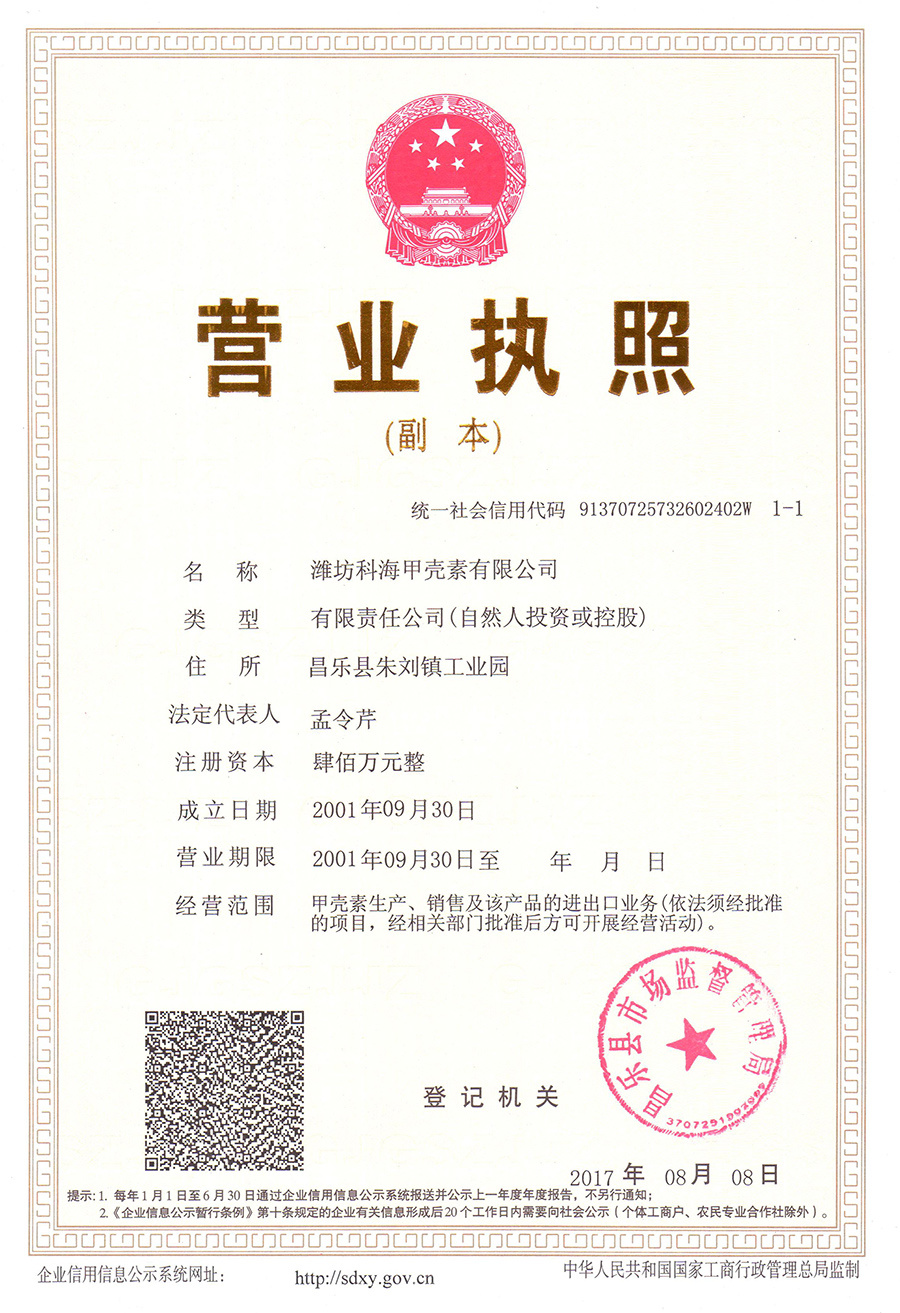
Weifang Kehai Chitosan Co., Ltd
Address: Zhuliu Industrial Park, Changle County, Weifang City, Shandong Province, China
General Manager: Ms Meng Ya
Mr. Meng: 86 13806497089
Ms Meng: 86 15563902222
Mr. Lee: 86 13011668883
Mail:kevinhbr888@gmail.com
General Manager: Ms Meng Ya
Mr. Meng: 86 13806497089
Ms Meng: 86 15563902222
Mr. Lee: 86 13011668883
Mail:kevinhbr888@gmail.com

QR CODE
MESSAGE