

Release time:
Introduction
Chitosan is a versatile biopolymer derived from chitin, a natural polysaccharide found in the exoskeletons of crustaceans like shrimp and crabs. In recent years, chitosan food grade has gained popularity in agriculture as a natural alternative to synthetic chelating agents. Its unique properties make it an ideal choice for farmers looking to improve soil fertility, enhance plant growth, and reduce environmental impact.
What is Chitosan Food Grade?
Chitosan food grade is a purified form of chitosan that meets strict quality standards for use in food and agriculture. It is biodegradable, non-toxic, and safe for the environment, making it an attractive option for eco-conscious farmers. Chitosan food grade acts as a chelating agent, meaning it can bind to metal ions in the soil and make them more available to plants. This helps improve nutrient uptake, reduce soil toxicity, and enhance plant health.
Benefits of Chitosan Food Grade in Agriculture
1. Soil Health: Chitosan food grade helps improve soil structure, increase water retention, and promote beneficial microbial activity. This leads to healthier, more productive soil that supports robust plant growth.
2. Nutrient Uptake: By chelating metal ions in the soil, chitosan food grade helps make essential nutrients like iron, zinc, and manganese more available to plants. This can improve nutrient uptake, enhance plant growth, and increase crop yields.
3. Pest and Disease Resistance: Chitosan food grade has been shown to stimulate plant defenses against pests and diseases. By activating the plant's immune system, chitosan can help reduce the need for chemical pesticides and fungicides.
4. Environmental Sustainability: Chitosan food grade is a renewable resource that can help reduce the environmental impact of agriculture. By using chitosan as a natural chelating agent, farmers can decrease their reliance on synthetic chemicals and promote sustainable farming practices.
How to Use Chitosan Food Grade in Agriculture
Chitosan food grade can be applied to soil or foliar sprayed on plants to improve nutrient availability, enhance plant growth, and boost crop yields. It is compatible with a wide range of fertilizers and can be used in conjunction with other soil amendments to maximize its benefits. Farmers should follow recommended application rates and timing to achieve optimal results.
Frequently Asked Questions
1. Is chitosan food grade safe for the environment?
Yes, chitosan food grade is biodegradable, non-toxic, and environmentally friendly. It is a sustainable alternative to synthetic chelating agents that can help reduce the environmental impact of agriculture.
2. Can chitosan food grade improve soil fertility?
Yes, chitosan food grade can help improve soil health by enhancing nutrient availability, promoting beneficial microbial activity, and increasing water retention. This can lead to healthier, more productive soil that supports robust plant growth.
3. How does chitosan food grade benefit plant growth?
Chitosan food grade acts as a chelating agent, binding to metal ions in the soil and making them more available to plants. This can improve nutrient uptake, enhance plant growth, and increase crop yields.
4. Is chitosan food grade effective against pests and diseases?
Yes, chitosan food grade has been shown to stimulate plant defenses against pests and diseases. By activating the plant's immune system, chitosan can help reduce the need for chemical pesticides and fungicides.
5. Can chitosan food grade be used with other agricultural inputs?
Yes, chitosan food grade is compatible with a wide range of fertilizers and can be used in conjunction with other soil amendments to maximize its benefits. Farmers should follow recommended application rates and timing for best results.
Conclusion
Chitosan food grade is a natural chelating agent that offers numerous benefits for agriculture. From improving soil health and nutrient uptake to enhancing plant growth and reducing environmental impact, chitosan food grade is a versatile and sustainable option for farmers. By incorporating chitosan food grade into their farming practices, growers can promote healthier, more productive crops while minimizing the use of harmful chemicals.
Chitosan is a versatile biopolymer derived from chitin, a natural polysaccharide found in the exoskeletons of crustaceans like shrimp and crabs. In recent years, chitosan food grade has gained popularity in agriculture as a natural alternative to synthetic chelating agents. Its unique properties make it an ideal choice for farmers looking to improve soil fertility, enhance plant growth, and reduce environmental impact.
What is Chitosan Food Grade?
Chitosan food grade is a purified form of chitosan that meets strict quality standards for use in food and agriculture. It is biodegradable, non-toxic, and safe for the environment, making it an attractive option for eco-conscious farmers. Chitosan food grade acts as a chelating agent, meaning it can bind to metal ions in the soil and make them more available to plants. This helps improve nutrient uptake, reduce soil toxicity, and enhance plant health.
Benefits of Chitosan Food Grade in Agriculture
1. Soil Health: Chitosan food grade helps improve soil structure, increase water retention, and promote beneficial microbial activity. This leads to healthier, more productive soil that supports robust plant growth.
2. Nutrient Uptake: By chelating metal ions in the soil, chitosan food grade helps make essential nutrients like iron, zinc, and manganese more available to plants. This can improve nutrient uptake, enhance plant growth, and increase crop yields.
3. Pest and Disease Resistance: Chitosan food grade has been shown to stimulate plant defenses against pests and diseases. By activating the plant's immune system, chitosan can help reduce the need for chemical pesticides and fungicides.
4. Environmental Sustainability: Chitosan food grade is a renewable resource that can help reduce the environmental impact of agriculture. By using chitosan as a natural chelating agent, farmers can decrease their reliance on synthetic chemicals and promote sustainable farming practices.
How to Use Chitosan Food Grade in Agriculture
Chitosan food grade can be applied to soil or foliar sprayed on plants to improve nutrient availability, enhance plant growth, and boost crop yields. It is compatible with a wide range of fertilizers and can be used in conjunction with other soil amendments to maximize its benefits. Farmers should follow recommended application rates and timing to achieve optimal results.
Frequently Asked Questions
1. Is chitosan food grade safe for the environment?
Yes, chitosan food grade is biodegradable, non-toxic, and environmentally friendly. It is a sustainable alternative to synthetic chelating agents that can help reduce the environmental impact of agriculture.
2. Can chitosan food grade improve soil fertility?
Yes, chitosan food grade can help improve soil health by enhancing nutrient availability, promoting beneficial microbial activity, and increasing water retention. This can lead to healthier, more productive soil that supports robust plant growth.
3. How does chitosan food grade benefit plant growth?
Chitosan food grade acts as a chelating agent, binding to metal ions in the soil and making them more available to plants. This can improve nutrient uptake, enhance plant growth, and increase crop yields.
4. Is chitosan food grade effective against pests and diseases?
Yes, chitosan food grade has been shown to stimulate plant defenses against pests and diseases. By activating the plant's immune system, chitosan can help reduce the need for chemical pesticides and fungicides.
5. Can chitosan food grade be used with other agricultural inputs?
Yes, chitosan food grade is compatible with a wide range of fertilizers and can be used in conjunction with other soil amendments to maximize its benefits. Farmers should follow recommended application rates and timing for best results.
Conclusion
Chitosan food grade is a natural chelating agent that offers numerous benefits for agriculture. From improving soil health and nutrient uptake to enhancing plant growth and reducing environmental impact, chitosan food grade is a versatile and sustainable option for farmers. By incorporating chitosan food grade into their farming practices, growers can promote healthier, more productive crops while minimizing the use of harmful chemicals.
Related
CONTACT US
language
English
العربية
বাংলাদেশ
Български
Hrvatski
Česky
Dansk
Nederland
 Esperanto
Slovenski
Filipino
Suomi
Français
Maori
 Shqiptare
Georgian
 Euskara
Deutsch
Ελλάδα
ישראל
इंडिया
Magyarország
Ísland
Indonesia
Irlanda
Italia
日本語
Sovensko
Հայաստան
한국
Kyrgyz
ປະເທດລາວ
 Zulu
Zulu
Latvian
Lithuanian
Luxembourgish
 Latinus
Macedonian
Малайская
Maltese
Монгол улс
 Cymraeg
ဗမာ
 தமிழ்
தமிழ்
नेपाल
Norge
ایران
Polska
Portugal
România
Российская
Србија
 Slovak
Србија
 Slovak
Bosanski
Slovenian
Беларус
España
Sverige
Точик
ประเทศไทย
Türk
Azərbaycan
Uzbek
 Afrikaans
Việt Nam
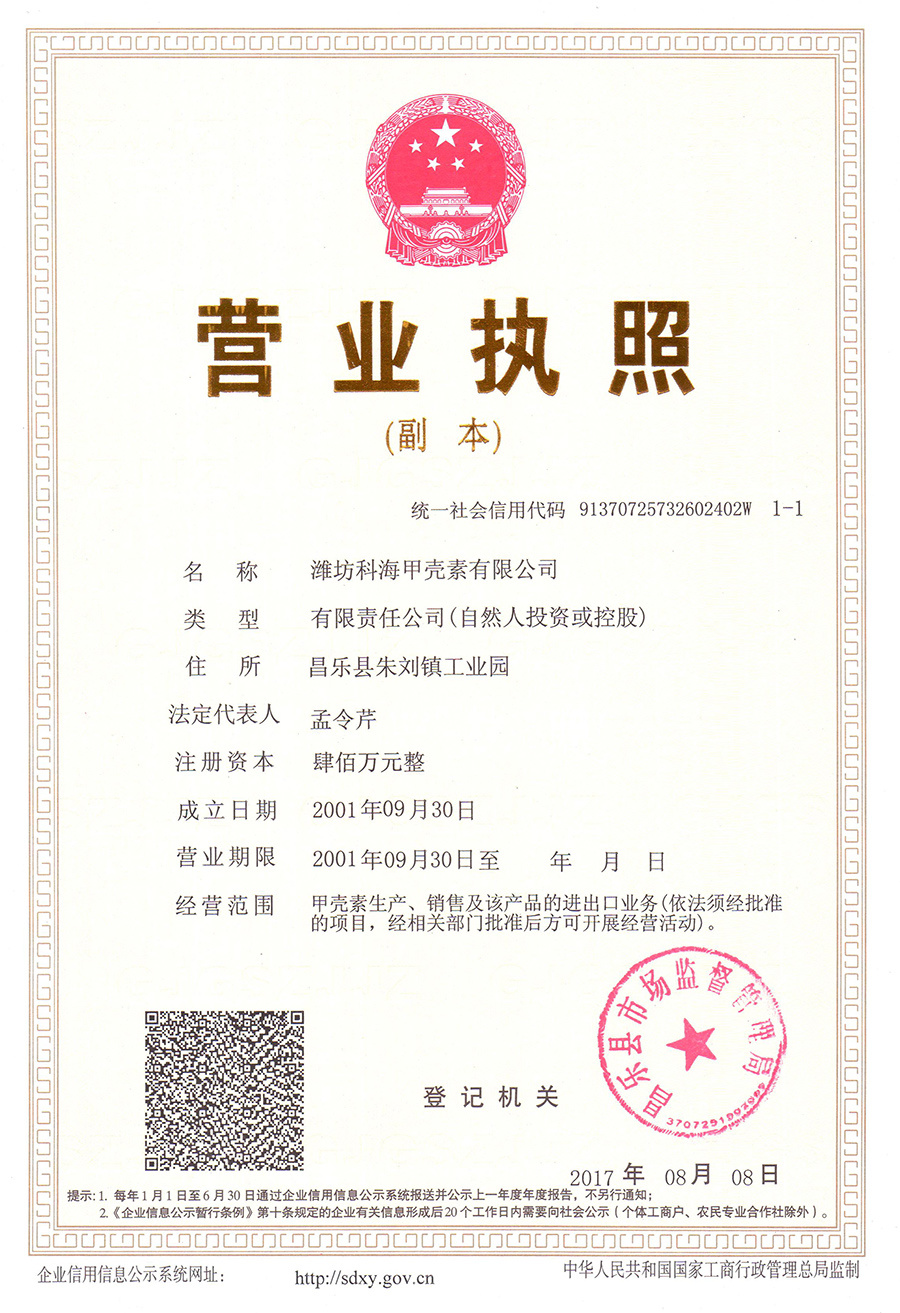
Weifang Kehai Chitosan Co., Ltd
Address: Zhuliu Industrial Park, Changle County, Weifang City, Shandong Province, China
General Manager: Ms Meng Ya
Mr. Meng: 86 13806497089
Ms Meng: 86 15563902222
Mr. Lee: 86 13011668883
Mail:kevinhbr888@gmail.com
General Manager: Ms Meng Ya
Mr. Meng: 86 13806497089
Ms Meng: 86 15563902222
Mr. Lee: 86 13011668883
Mail:kevinhbr888@gmail.com

QR CODE
MESSAGE