

Release time:
Enhancing Crop Growth with Agriculture Grade Chitosan
Table of Contents
- 1. Introduction to Agriculture Grade Chitosan
- 2. What is Chitosan?
- 3. Benefits of Chitosan in Agriculture
- 4. Applications of Chitosan in Crop Production
- 5. The Impact of Chitosan on Sustainable Agriculture
- 6. Recent Research and Studies on Chitosan
- 7. Challenges and Considerations in Using Chitosan
- 8. Conclusion
- 9. FAQs About Agriculture Grade Chitosan
1. Introduction to Agriculture Grade Chitosan
Agriculture is continuously evolving, demanding innovative solutions to meet the challenges of food security and sustainable farming. One such solution gaining traction is **agriculture grade chitosan**, a biopolymer derived from chitin, which is found in the shells of crustaceans. This natural compound offers a plethora of benefits, from enhancing crop growth to improving soil health, making it an indispensable tool for modern farmers.
2. What is Chitosan?
Chitosan is a deacetylated form of chitin, known for its unique properties, including biodegradability and biocompatibility. It is non-toxic and safe for both plants and humans. In agriculture, chitosan serves as an eco-friendly alternative to synthetic chemicals, providing a sustainable approach to crop management. Its applications are broad, ranging from pest control to enhancing nutrient uptake, and its versatility makes it a favored choice among agronomists.
3. Benefits of Chitosan in Agriculture
Understanding the benefits is crucial for farmers looking to implement chitosan into their practices. Here are some key advantages:
3.1 Promoting Plant Growth
Chitosan significantly enhances plant growth by stimulating various physiological processes. It promotes cell division and elongation, leading to increased biomass and root development. This growth boost is essential, especially in the early stages of a plant's life cycle, when plants are most vulnerable.
3.2 Enhancing Disease Resistance
One of the standout features of chitosan is its ability to enhance a plant's natural defenses against pathogens. By stimulating the production of defense-related enzymes, chitosan prepares plants to fend off diseases, reducing reliance on chemical fungicides and pesticides. This not only protects the crop but also contributes to a healthier ecosystem.
3.3 Improving Soil Health
Chitosan positively influences soil health by promoting beneficial microbial activity. It acts as a food source for soil microorganisms, which in turn enhance nutrient availability and soil structure. Improved soil health leads to higher water retention and better aeration, creating an optimal environment for root development.
4. Applications of Chitosan in Crop Production
The versatility of chitosan allows for various applications in agriculture, each designed to maximize its benefits.
4.1 Seed Treatment
Applying chitosan as a seed treatment can greatly enhance germination rates and seedling vigor. By coating seeds with chitosan, farmers can protect them from pathogens and improve nutrient uptake during the early growth phase.
4.2 Foliar Sprays
Foliar application of chitosan allows for direct absorption by plant leaves, leading to rapid physiological responses. This method is particularly effective in managing stress conditions such as drought or salinity, allowing plants to maintain growth even under adverse conditions.
4.3 Soil Amendments
Incorporating chitosan into soil as an amendment enhances its overall quality. The application improves soil structure and increases microbial activity, leading to better nutrient cycling and availability, which are crucial for healthy crop growth.
5. The Impact of Chitosan on Sustainable Agriculture
Sustainability is at the forefront of modern agriculture, and chitosan contributes significantly to this movement. Its natural origin and biodegradability mean it has a minimal environmental footprint compared to synthetic alternatives. By reducing chemical inputs and promoting organic farming practices, chitosan helps create a more sustainable agricultural system.
6. Recent Research and Studies on Chitosan
Numerous studies have been conducted to explore the efficacy of chitosan in agriculture. Research has shown that chitosan not only enhances growth rates but also improves the nutritional quality of crops. For example, a study published in the *Journal of Agricultural and Food Chemistry* demonstrated that chitosan-treated plants exhibited higher levels of key nutrients and vitamins, making them more beneficial for consumers.
7. Challenges and Considerations in Using Chitosan
While the benefits of chitosan are compelling, there are challenges associated with its use. These include variability in effectiveness depending on crop type, application method, and environmental conditions. Farmers should conduct trials to determine the optimal concentrations and application techniques for their specific conditions. Additionally, regulatory aspects regarding the use of natural biopesticides should be considered to ensure compliance with local agricultural standards.
8. Conclusion
Agriculture grade chitosan presents an innovative solution for enhancing crop growth and promoting sustainable practices in farming. Its multifaceted benefits—ranging from improved plant growth to enhanced soil health—position it as a valuable asset in the agricultural toolkit. As farmers continue to seek eco-friendly alternatives to chemical inputs, chitosan stands out as a beacon of hope for a more sustainable future in agriculture.
9. FAQs About Agriculture Grade Chitosan
What is the source of chitosan?
Chitosan is derived from chitin, which is extracted from the shells of crustaceans such as shrimp and crabs.
How does chitosan enhance crop yields?
Chitosan promotes growth, enhances disease resistance, and improves soil health, all of which contribute to increased crop yields.
Can chitosan be used in organic farming?
Yes, chitosan is a natural product and is suitable for organic farming practices due to its biodegradability and non-toxic nature.
What is the best way to apply chitosan?
Chitosan can be applied as a seed treatment, foliar spray, or soil amendment, depending on the desired outcome.
Are there any side effects of using chitosan?
Chitosan is generally safe for plants and humans; however, it is advisable to conduct preliminary trials to determine the best application rates for specific crops.
How is the effectiveness of chitosan measured?
The effectiveness of chitosan can be measured through various growth parameters, disease incidence, and soil health indicators.
This comprehensive exploration of agriculture grade chitosan illustrates its potential to revolutionize crop growth and promote sustainable practices in the agricultural sector. By integrating chitosan into farming strategies, we can work towards healthier crops and a more sustainable future.
Related
CONTACT US
language
English
العربية
বাংলাদেশ
Български
Hrvatski
Česky
Dansk
Nederland
 Esperanto
Slovenski
Filipino
Suomi
Français
Maori
 Shqiptare
Georgian
 Euskara
Deutsch
Ελλάδα
ישראל
इंडिया
Magyarország
Ísland
Indonesia
Irlanda
Italia
日本語
Sovensko
Հայաստան
한국
Kyrgyz
ປະເທດລາວ
 Zulu
Zulu
Latvian
Lithuanian
Luxembourgish
 Latinus
Macedonian
Малайская
Maltese
Монгол улс
 Cymraeg
ဗမာ
 தமிழ்
தமிழ்
नेपाल
Norge
ایران
Polska
Portugal
România
Российская
Србија
 Slovak
Србија
 Slovak
Bosanski
Slovenian
Беларус
España
Sverige
Точик
ประเทศไทย
Türk
Azərbaycan
Uzbek
 Afrikaans
Việt Nam
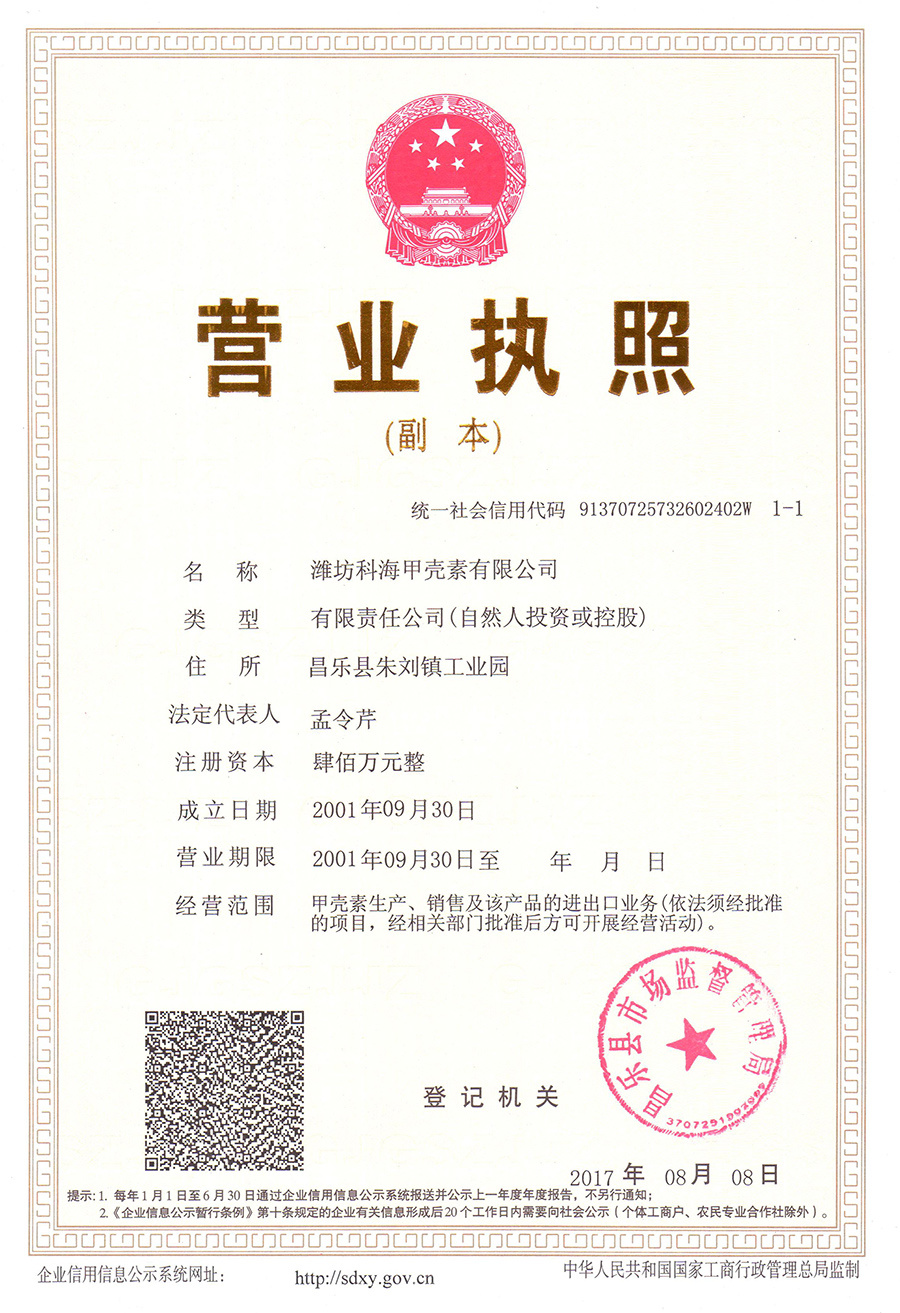
Weifang Kehai Chitosan Co., Ltd
Address: Zhuliu Industrial Park, Changle County, Weifang City, Shandong Province, China
General Manager: Ms Meng Ya
Mr. Meng: 86 13806497089
Ms Meng: 86 15563902222
Mr. Lee: 86 13011668883
Mail:kevinhbr888@gmail.com
General Manager: Ms Meng Ya
Mr. Meng: 86 13806497089
Ms Meng: 86 15563902222
Mr. Lee: 86 13011668883
Mail:kevinhbr888@gmail.com

QR CODE
MESSAGE